
Fleet Depreciation Logic: Do Reman Heavy Trucks Hold Better Value?
Introduction
Depreciation represents the value erosion of heavy trucks over time, and it is one of the largest, yet frequently misunderstood, components of fleet total cost of ownership. Many fleet buyers assume all pre-owned commercial vehicles depreciate at the same rate, treating reman heavy trucks as just another category of used trucks. However, depreciation is driven by buyers’ confidence in asset condition, serviceable life, documentation, and predictable performance.
Certified reman heavy trucks follow standardized reman workflows with full disassembly, inspection, component renewal and performance testing. This article breaks down fleet depreciation logic and analyzes whether reman heavy trucks preserve value better than ordinary used alternatives.
Core Principles of Heavy Truck Depreciation for Fleets
Depreciation is not a fixed percentage; it is shaped by market perception of remaining usable life and risk.
- Initial depreciation: New heavy trucks lose a large portion of value immediately once registered and driven off the factory lot. This steep first-year drop is the biggest depreciation hit for brand-new assets.
- Condition-based depreciation: For used trucks, depreciation accelerates when hidden wear, fatigue or unresolved component defects exist. Unknown history makes buyers apply a heavy risk discount.
- Remaining service life: The market prices vehicles based on how much reliable operating time is left. Assets with reset usable life command smaller discounts.
- Documentation premium: Complete service, inspection and test records reduce buyer uncertainty. Lack of traceable records creates a “history penalty” that pushes resale value down.
- Market liquidity: Trucks with verifiable quality are easier to resell. Poorly documented used trucks often sit longer on the market and require larger price cuts to find buyers.
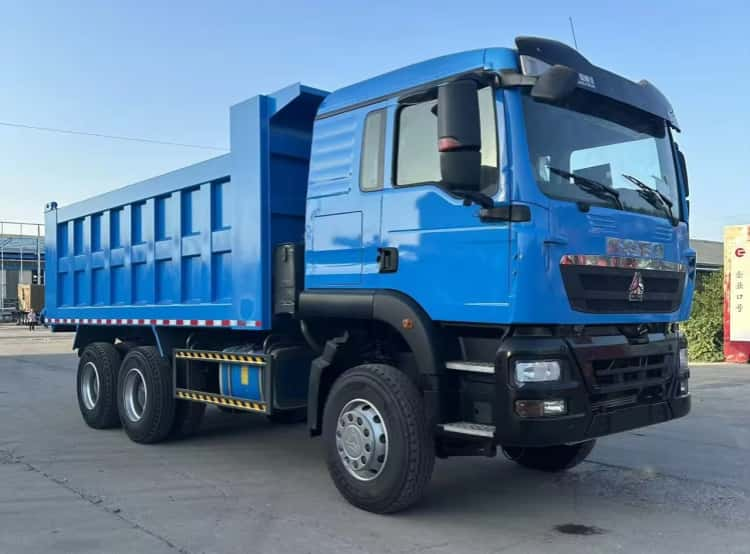
Depreciation Curve Comparison: New, Used and Reman Heavy Trucks
Each asset type follows a distinct depreciation profile across its holding cycle.
- New trucks: Sharp depreciation in the first 2–3 years. High purchase price, but heavy immediate value loss. After the OEM warranty expires, depreciation continues steadily as mileage accumulates. Best value retention only if held for a very long service cycle.
- Ordinary used trucks: Already depreciated heavily by the time of purchase. But depreciation continues rapidly, because every prospective buyer discounts the unknown wear state. Any major breakdown further devalues the truck. Resale liquidity weakens fast with rising mileage.
- Certified reman heavy trucks: The steep initial depreciation has already been absorbed by the first owner of the core chassis. After truck remanufacturing, the asset’s effective service life is reset. Its depreciation rate is gentler than untreated used trucks, as long as full reman documentation is retained. The value decay is more linear and less volatile.
Why Certified Reman Heavy Trucks Slow Down Depreciation?
The value preservation advantage comes from four tangible factors.
- Reset driveline condition: Critical wear parts, bearings, seals and brake assemblies are renewed during truck remanufacturing. Engine and transmission are restored to factory-equivalent performance. The next buyer is not buying residual wear from the original operating cycle.
- Full traceable reman records: NDT inspection reports, parts replacement lists, bench test results and reman certification prove the work scope. Buyers do not need to guess about hidden fatigue, so they reduce risk discounts.
- Defined warranty package: Reman warranty transfers partial risk away from the next buyer. Warranty coverage acts as a value anchor and supports higher resale pricing compared to as-is used trucks with no guarantee.
- Standardized grading: Certified reman heavy trucks are graded by quality level. Consistent grading helps secondary buyers quickly understand asset quality, improving market acceptance and liquidity.
Limitations: When Reman Heavy Trucks Do NOT Hold Better Value
The value advantage only applies to properly certified reman heavy trucks; low-quality fake reman products fail to deliver this benefit.
- Uncertified reman / basic refurbishment: Cosmetic cleanup and partial part replacement without full disassembly and testing cannot reset asset life. The market still treats these as ordinary used trucks, with identical fast depreciation.
- Poor documentation: Missing inspection, test or serial number traceability eliminates the reman value premium. Without proof of work, buyers will not differentiate reman trucks from regular used stock.
- Severe core structural limits: If the original core frame or axle has irreparable structural fatigue, even reman work cannot reverse long-term depreciation risk. Such cores should not enter reman production.
- Brand and model market demand: Depreciation also depends on model popularity, spare parts availability and local emission rules. A reman heavy truck of an unpopular model will still depreciate faster than a mainstream model.
Fleet Financial Impact: Depreciation and Total Cost of Ownership
Depreciation directly changes the net cost of fleet asset rotation.
- Lower residual value means higher net cost over ownership. If two trucks have similar operating costs, the asset with higher resale value delivers lower TCO.
- Certified reman heavy trucks avoid the massive upfront depreciation hit of new trucks. The fleet buys after the steep initial value drop has already occurred.
- When fleets rotate assets every 3–6 years, reman heavy trucks often deliver superior economic results. The fleet escapes the worst new-truck depreciation while retaining better resale value than unprocessed used trucks.
- Depreciation planning becomes easier: documented reman heavy trucks have more predictable residual value forecasts, helping finance teams model fleet budgets accurately.
Practical Tips for Fleets to Maximize Reman Truck Resale Value
Fleets can protect reman heavy trucks value with simple operational rules.
- Keep the full reman certification package, test reports and parts replacement records for each vehicle throughout ownership.
- Follow OEM-equivalent scheduled maintenance and log all service work.
- Avoid overloading or abusive operation that accelerates chassis and driveline fatigue.
- Preserve identification labels and serial numbers linked to reman certification.
- Plan asset disposal before major structural wear accumulates, to capture the reman value premium.
Conclusion
Certified reman heavy trucks can hold better value than ordinary used trucks, but this advantage only applies to certified, fully documented reman units. The core depreciation logic is simple: depreciation is driven by perceived risk and remaining usable life.
Certified reman work resets component life and provides transparent proof of quality, which reduces the heavy risk discount applied to undocumented used trucks. While reman heavy trucks will never hold value as well as brand-new trucks in their early life, they skip the sharp initial depreciation of new vehicles. For fleets rotating assets on mid-term cycles, certified reman heavy trucks strike a balanced sweet spot in depreciation and total cost of ownership.