
Mid-Term Project Fleets: Why Qualified Reman Is the Most Cost-Effective Solution?
Introduction
Mid‑term project fleets typically run fixed‑duration construction, mining, infrastructure or logistics assignments with an operating cycle of 3‑6 years. These fleets face unique constraints: tight project budgets, predictable service timelines, strict uptime requirements, and asset disposal at project completion.
Buying brand‑new trucks locks large capital into assets that suffer heavy early depreciation. Untreated used trucks bring unpredictable breakdowns and high downtime risk. Qualified reman trucks strike a balanced sweet spot for this exact operating profile. This article explains why mid‑term project‑based fleets gain superior total cost outcomes from properly reman trucks.
Core Characteristics of Mid‑Term Project Fleet Requirements
Before comparing asset options, it is important to define the real operational priorities for mid‑term project fleets.
- Fixed project timeline: Vehicles are deployed for 3‑6 years, then rotated, resold or redeployed after project hand‑over. Long‑term 8‑10‑year asset holding is not required.
- Capital pressure: Project budgets are finite; large upfront expenditure for brand‑new trucks may overstretch project cash flow.
- Uptime priority: Project schedules are time‑bound. Unplanned downtime leads to project delay penalties, which can far exceed pure repair costs.
- Defined workload: Heavy‑duty cycles including hauling aggregates, construction material transport, off‑site mining transport; assets need to sustain consistent heavy payload.
- Clear exit requirement: At project completion, assets must have reasonable residual liquidity for resale or secondary deployment.
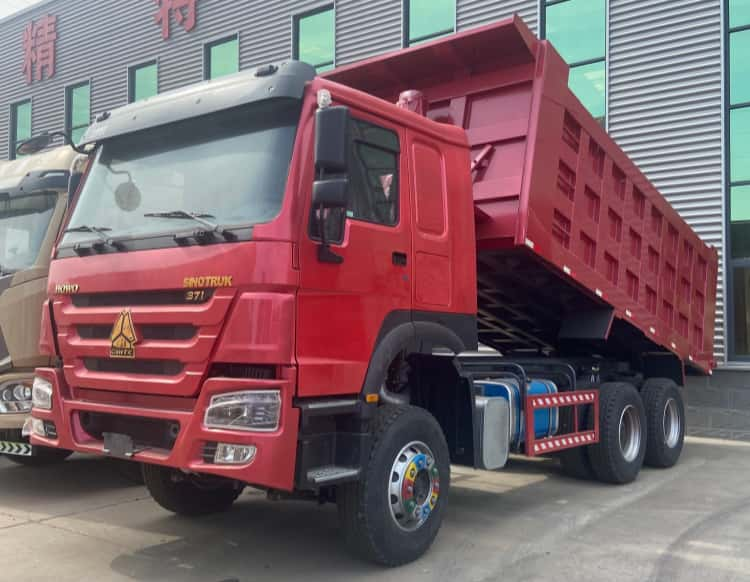
Drawbacks of New Trucks for Mid‑Term Project Cycles
While new trucks deliver top‑tier reliability, they are economically inefficient for 3‑6‑year project fleets.
- Severe early‑stage depreciation: The largest value loss of new heavy trucks occurs within the first three years. When assets are disposed of after mid‑term projects, fleets absorb this massive depreciation hit directly.
- High capital occupation: Large down payments and financing interest tie up substantial project capital that could otherwise be allocated to core project operations.
- Long lead times: Factory ordering for new heavy trucks often has extended production and delivery cycles, which may conflict with tight project start timelines.
- Over‑specification risk: The full service life of a new truck far exceeds the project duration. Fleets pay for long‑term asset potential they will never fully utilise.
Risks of Ordinary Used Trucks for Time‑Critical Project Work
Low‑price used trucks seem budget‑friendly on paper, yet introduce unacceptable project risks.
- Unpredictable hidden wear: Without systematic disassembly and inspection, internal fatigue of engine, transmission and frame remains unknown. Failures tend to happen randomly during high‑intensity project operation.
- Downtime triggers project‑level losses: In mid‑term projects, schedule delays carry contractual penalties. Roadside breakdowns and lengthy repair stops can push the whole project behind schedule.
- Uncertain maintenance budgets: Repair spending cannot be forecast accurately. Unexpected major component repairs blow pre‑set project cost budgets.
- Poor residual value at project end: High‑mileage undocumented used trucks face steep discounts during resale when the project finishes.
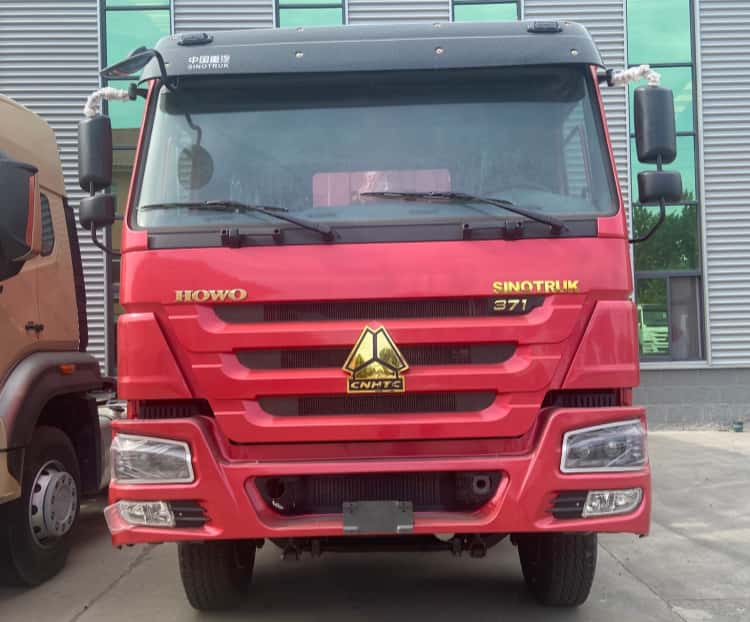
How Qualified Reman Solves Mid‑Term Fleet Pain Points?
Qualified reman trucks are purpose‑aligned for 3‑6‑year project operating cycles, solving the above‑mentioned pain points simultaneously.
- Avoid heavy initial depreciation: The steep first‑owner depreciation has already occurred on the original core. Fleets purchase after this major value drop, without paying the new‑vehicle premium.
- Optimised capital efficiency: Acquisition cost is significantly lower than new trucks. Project capital remains available for construction execution, material procurement and other core expenditures. Financing principal and interest expense are reduced accordingly.
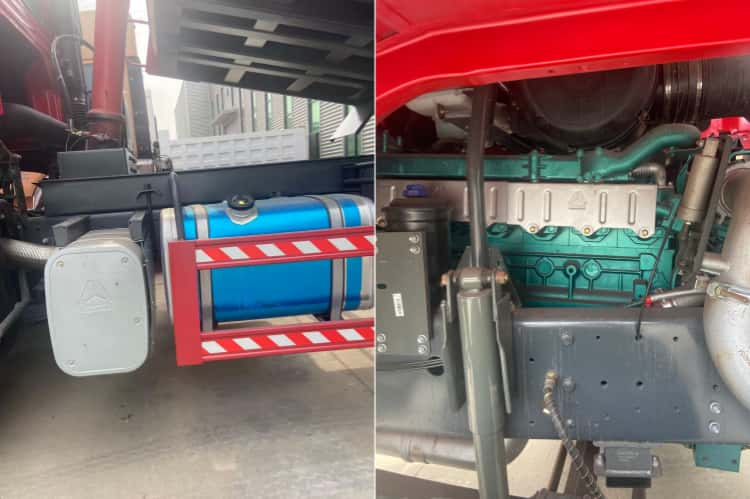
- Reset asset reliability for project workload: Full disassembly, NDT inspection, renewal of safety‑critical wear parts and bench performance testing eliminate most hidden defects before site deployment. The truck gains a reset remaining service life perfectly matching mid‑term project duration.
- Predictable maintenance planning: Major assemblies are restored toward OEM specification. Fleet managers can build fixed scheduled‑service budgets, avoiding unbudgeted large repair events that threaten project finances.
- Controlled downtime risk: Pre‑delivery performance testing reduces random catastrophic failures. For time‑sensitive projects, this minimises the risk of schedule disruption and penalty fees.
- Favourable exit condition at project completion: Qualified reman trucks carry complete inspection and test documentation. When the project finishes, documented qualified reman trucks maintain stronger residual value and better market liquidity compared with ordinary used trucks.
Key Preconditions: Only Qualified Reman Delivers These Advantages
These economic benefits do not apply to low‑grade refurbishment mis‑sold as qualified reman trucks.
- Full‑scope reman workflow: Complete teardown, non‑destructive testing for load‑bearing components, mandatory replacement of consumable safety parts, bench testing for engine and brake assemblies. Surface cleaning and repainting alone cannot achieve project‑grade reliability.
- Complete traceable documentation: Reman certification, replaced‑parts list, NDT reports and performance test data must be provided for each unit. These records also support future resale upon project completion.
- Assembly‑level warranty: Warranty should cover reman‑processed driveline assemblies, not only a few replaced cosmetic parts. This provides risk protection during high‑intensity project operation.
- Supplier delivery capability: Short lead time to match project start schedules, stable spare‑parts support during project execution.
Real‑World TCO Comparison for Typical Mid‑Term Project Fleet
- New trucks: Highest upfront investment, largest depreciation loss at disposal; suitable only when project holding period extends beyond 7 years.
- Ordinary used trucks: Low purchase price, yet high uncertainty on repair cost and downtime risk; only acceptable for non‑critical, low‑intensity short‑term tasks.
- Qualified reman trucks: Balanced entry cost, predictable uptime, moderate depreciation over 3‑6 years, stable residual value at project hand‑over. Delivers the lowest total real cost for most mid‑term heavy‑duty project fleets.
Conclusion
Mid‑term project fleets operate under unique constraints: fixed duration, schedule pressure, limited capital and clear asset‑exit requirements. Brand‑new trucks waste money through heavy early depreciation, while unprocessed used trucks expose projects to costly downtime and budget volatility.
Qualified reman trucks match the 3‑6‑year operating window perfectly. They deliver project‑ready reliability, free up project capital, lower risk of schedule disruption, and preserve reasonable residual value at the end of assignment — making reman the most cost‑effective asset solution for mid‑term project‑based fleets.