
Why Standard Truck Reman Reduces Unplanned Downtime on Construction Sites?
Intro
Construction sites operate on tightly linked workflows. Excavators, loaders and batch plants are scheduled around a steady flow of haul trucks. A single unplanned truck outage can bottleneck material movement, idle crews and push back critical milestones. Generic used trucks are notorious for this risk: hidden fatigue, aged seals and worn driveline parts can fail without warning, disrupting site progress.
REMAN ROAD standard truck reman is built to eliminate these unknown failure points. Every unit follows identical rebuild procedures: full disassembly, component grading, NDT structural inspection, targeted wear-part replacement, powertrain calibration and final road and functional testing. Duty classification defines the safe working envelope for payload, vibration and cycle intensity. This article explains how standard truck remanufacturing reduces unplanned downtime for construction fleets.
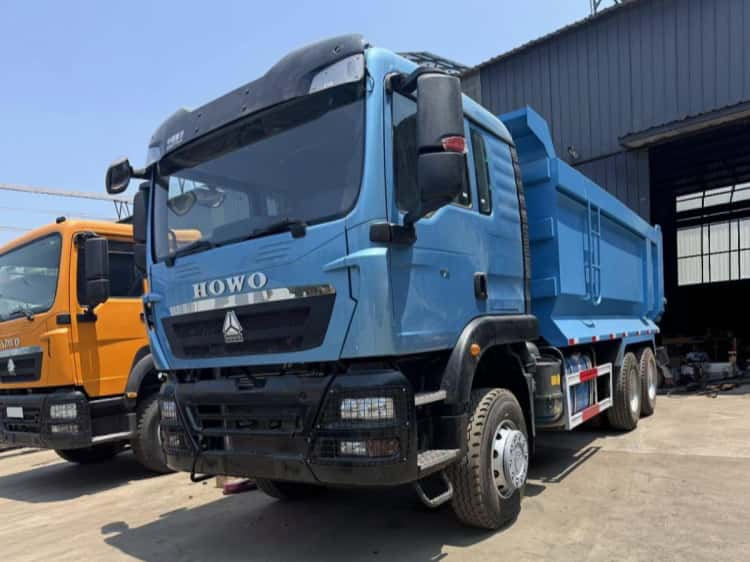
Hidden structural defects are removed before deployment
Construction hauling subjects trucks to heavy loads, uneven ground and repeated impact. For ordinary second-hand trucks, fatigue cracks in frames, suspension brackets and load-bearing components often stay invisible until failure. These failures are among the most disruptive and time-consuming to repair on site.
Under the REMAN ROAD standard truck reman, all load-carrying structural components go through mandatory NDT scanning during core screening. Any part with unacceptable corrosion, cracking or fatigue damage is rejected or repaired under strict weld limits. This removes the biggest silent risk factor before the truck reaches the site. Unlike a quick visual pre-purchase check, NDT detects subsurface flaws that would trigger sudden breakdowns under construction loading.
Wear-sensitive components are reset to factory-alike condition
Most unplanned downtime comes from failing consumable assemblies: brake systems, cooling components, hydraulic hoses, bearings and suspension bushings. On uncertified used trucks, these parts carry unknown remaining service life. They may look intact but are already near the end of their service cycle.
In standard truck remanufacturing, all fatigue-critical wear items are systematically renewed. Engines and gearboxes are calibrated and validated on test benches, braking systems are pressure-tested, and fluid circuits are flushed and reassembled with new seals. This resets the service clock for high-risk assemblies. Failures are no longer driven by accumulated, unseen wear, and faults shift to predictable, scheduled maintenance events.
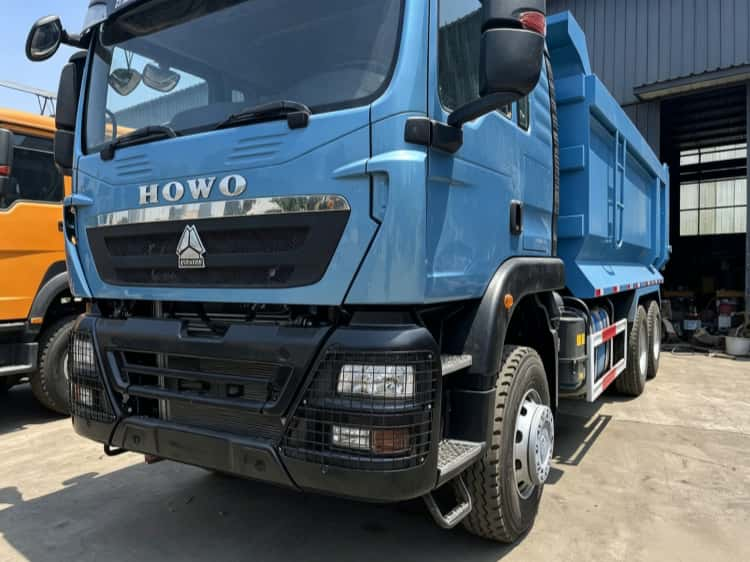
Unified testing standards reduce unit-to-unit quality variation
Casual local rebuilds often vary widely based on technician skill, time pressure and part availability. One truck may be built carefully, while another skips key checks. This inconsistency makes downtime hard to forecast.
REMAN ROAD standard truck reman enforces fixed checklists, test procedures and pass/fail criteria for every unit. Final dynamic road tests replicate off-road construction load conditions to uncover leaks, vibrations or performance drift before delivery. Every truck must pass the same validation gates to earn certification. This consistency means your fleet’s reliability does not depend on luck when buying individual used vehicles.
Duty classification prevents premature failure from overuse
Even a well-built standardised reman trucks will fail early if pushed beyond its design limits. Construction sites often demand aggressive cycles, and site managers may expect every truck to carry maximum load nonstop.
Each REMAN ROAD standardised reman trucks carries a clear duty classification that defines approved payload, terrain type and cycle intensity. Dispatchers match trucks to suitable work, avoiding excessive vibration and overload that accelerate fatigue. This rule-based assignment prevents the avoidable breakdowns that happen when assets are pushed past their engineered limits.
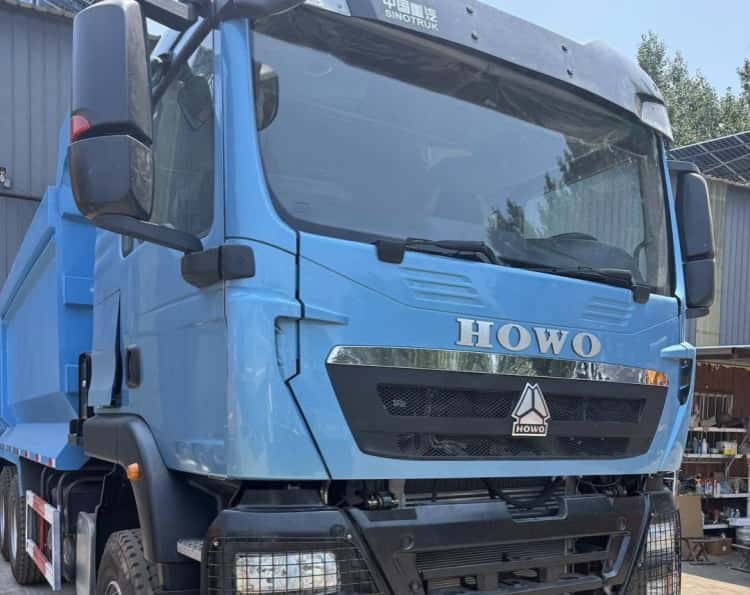
Traceable records speed repairs when rare issues arise
Zero downtime is impossible for any heavy mechanical asset. When a fault does occur, the speed of repair determines how much site work is lost.
REMAN ROAD’s VIN-linked traceability log records every rebuild step, part replacement and test result. Service technicians can quickly reference build specs, calibration data and known component configurations, cutting diagnostic time. Instead of spending days tracing unknown modifications from a random previous rebuild, teams can target the issue and return the truck to service faster.
Important guardrail
Standard truck remanufacturing reduces downtime risk, but it does not remove the need for site-level controls. Pre-trip inspections, periodic service and incident reporting remain mandatory. Impact damage, overloading and skipped maintenance will accelerate wear, erode reliability and void warranty. The uptime advantage works best when standardised reman trucks are supported by disciplined site fleet management.
Final Takeaway
REMAN ROAD standardised reman trucks eliminate hidden structural flaws and unknown wear variability, greatly cutting unplanned downtime for construction fleets. For site and fleet managers, the takeaway is simple: predictable site progress starts with haul assets whose failure risks have already been engineered out before they roll onto the site.
2 Comments