
Common Myths About Heavy Equipment Remanufacturing Debunked
Introduction
Heavy-duty fleet buyers often encounter misleading assumptions about standardized heavy eqiupment remanufacturing. These widely spread myths cause fleet managers to overlook reliable asset solutions, overspend on brand-new equipment, or mistakenly purchase low-grade refurbished units labelled as reman. This article breaks down the most pervasive misconceptions, separating marketing hype from industrial facts to support better fleet asset decisions.
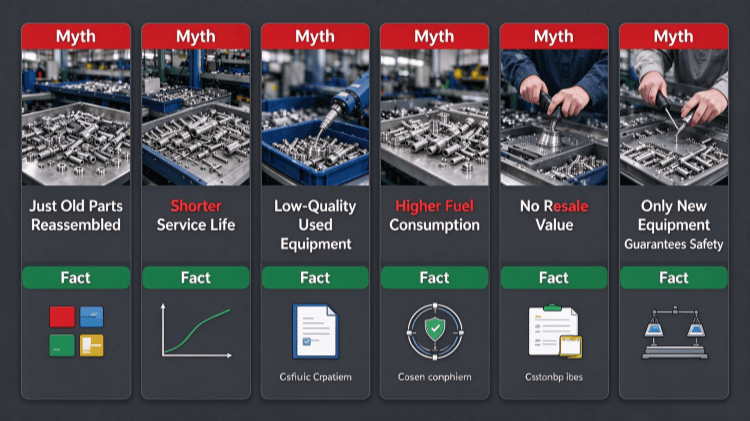
Myth 1: Remanufactured heavy equipment is just cleaned-up second-hand machinery
Many buyers assume reman equipment are simply used trucks washed and repainted for resale. This misunderstanding confuses remanufacturing with basic refurbishment. Reality: Remanufacturing is a full industrial production workflow. Every component is fully disassembled, cleaned, measured against OEM dimensional tolerances. Worn or fatigued parts are either precision-regenerated or replaced with new components.
The finished reman equipment goes through multi-stage bench and load testing, not just cosmetic touch-ups. A second-hand truck retains unknown hidden wear, while a properly remanufactured unit eliminates latent defects before delivery.
Myth 2: Reman equipment cannot match the reliability and service life of brand-new units
A frequent objection from mining and construction fleet operators is that reman equipment will fail faster under heavy continuous workloads. Reality: Standardized reman equipment are engineered to deliver near-new performance and comparable service life.
During heavy equipment remanufacturing, known original design weaknesses are often upgraded, fixing recurring failure points from the original factory build. When sourced from remanufacturing providers with full traceable records, reman equipment can complete the same intensive shift cycles as new equipment.
Myth 3: Remanufacturing only saves money upfront, and long-term maintenance costs will spike
Fleet managers often believe the lower purchase price is offset by expensive breakdown repairs later in operation. Reality: The core purpose of standardized remanufacturing is to eliminate hidden component wear before the truck enters service.
Certified reman equipment come with defined warranty coverage and documented inspection logs. Properly selected reman fleets deliver predictable total cost of ownership. The reduced capital expense at purchase is maintained across the whole asset lifecycle, rather than creating higher repair bills down the line.
Myth 4: All “remanufactured” equipment on the market meets the same quality standard
Buyers often treat every vendor’s “reman” label as equivalent, comparing products purely by price. Reality: The term remanufacturing remains unregulated in many global markets. Many low-end workshops market simple overhaul or cosmetic refurbishment as remanufacturing.
Quality varies drastically between uncertified local shops and standardised REMAN ROAD compliant reman workflows. The label alone means nothing; buyers must verify full disassembly records, component measurement reports and formal certification documentation.
Myth 5: Reman equipment cannot qualify for tender or ESG project requirements
Many fleet operators believe reman equipment are automatically rejected in large infrastructure project bidding, and cannot be counted for ESG and carbon reduction reporting. Reality: This depends entirely on certification. Fully documented, standardised reman equipment with complete process traceability are widely accepted for most international construction and mining tender projects.
Each reman equipment generates verifiable carbon savings data, which can be directly included in corporate ESG reports. Uncertified refurbished or overhauled trucks are excluded, but certified reman equipment are recognised as legitimate low-carbon fleet assets.
Myth 6: Warranty coverage for reman equipment is always weak and hard to claim
A common concern: reman suppliers offer short, restrictive warranties with many loopholes, while new trucks have comprehensive factory protection. Reality: Standardized remanufacturing programmes structure warranty terms aligned with component and system rebuild standards.
Warranties for certified reman equipment cover the rebuilt assemblies, with clear claim procedures and traceable component history. While reman warranty terms may differ from OEM new truck warranties, reputable reman providers offer transparent, enforceable coverage. The biggest risk comes from vendors selling pseudo-reman units with only verbal warranty promises and no written records.
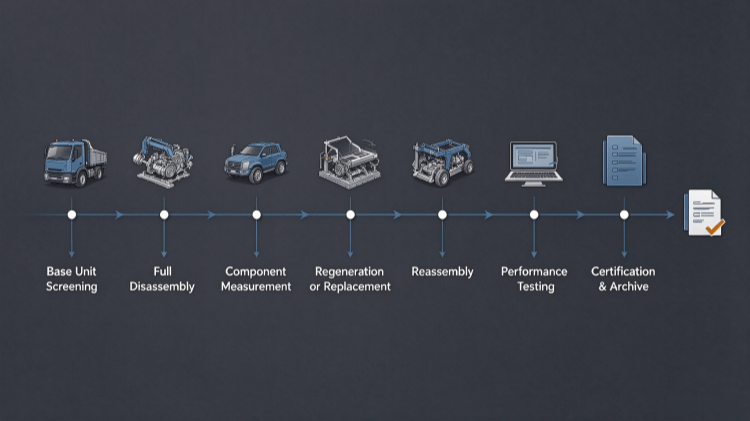
How to Verify Whether a Reman Claim Is Genuine (Practical Checklist for Fleet Buyers)?
This actionable checklist helps procurement teams filter out misleading reman marketing before committing to purchase:
- Confirm full 100% disassembly is performed, not partial teardown of only faulty assemblies
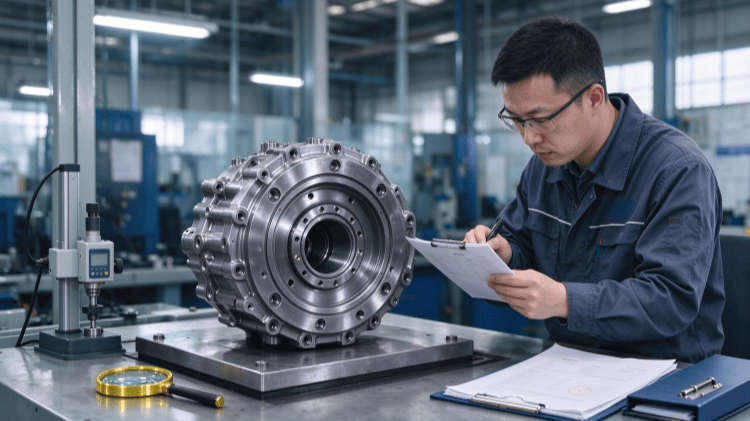
- Request component measurement logs showing all parts checked against OEM tolerance limits
- Review bench test, load simulation and system calibration reports
- Check traceability archives linking core components, inspection records and final certification
- Validate formal written warranty terms and after-sales support scope
- Confirm compliance documentation for tender, asset accounting and ESG reporting needs
How These Myths Impact Fleet Procurement ROI?
Believing these misconceptions creates two costly procurement traps for fleet operators.
- The first trap: rejecting certified reman entirely and purchasing brand-new trucks with massive upfront capital expenditure, locking large budgets into vehicle depreciation.
- The second trap: trusting vague “reman” marketing labels and buying low-quality refurbished trucks, leading to unplanned downtime, emergency repair costs and project penalties.
Understanding these myths allows fleet managers to evaluate assets objectively and select equipment that balances capital outlay, uptime and long-term total cost of ownership.
Conclusion
Most doubts around heavy equipment remanufacturing stem from market confusion and inconsistent vendor standards, rather than inherent flaws within industrial reman technology.
When operators learn to separate certified standardized remanufacturing from cosmetic refurbishment and partial overhaul, reman assets become a powerful tool to optimise fleet ROI, meet sustainability targets and stabilise large-scale project operations.