
Why Standardized Reman Trucks Are Becoming the First Choice for Global Mid-Term Projects?
Introduction
Mid-term infrastructure, mining and haulage projects, generally defined as 2 to 5 years in duration, represent one of the fastest-growing segments for heavy vehicle procurement globally. These projects share a distinct set of commercial characteristics: fixed project timelines, tight capital budgets, predictable working cycles and clear asset exit planning once construction or mining activities finish.
For decades, project owners faced two rigid options: purchasing brand-new heavy trucks with massive upfront capital expenditure, or buying low-cost ordinary used trucks carrying unpredictable failure risks. Neither fits mid-term project logic perfectly. New vehicles suffer steep depreciation within the first few years, and residual value drops sharply when liquidated after project handover. Generic second-hand trucks lack standardized inspection, exposing projects to sudden breakdowns, safety incidents and costly downtime penalties.
Standardized remanufactured heavy assets fill this gap. Built on standardized reman workflows, mandatory NDT structural screening, full component grading and complete traceability, reman assets deliver near-new reliability at much lower entry cost. For global mid-term projects, they are evolving from an alternative backup choice into the primary fleet procurement solution. This article breaks down the core commercial, operational and risk-control reasons behind this shift.
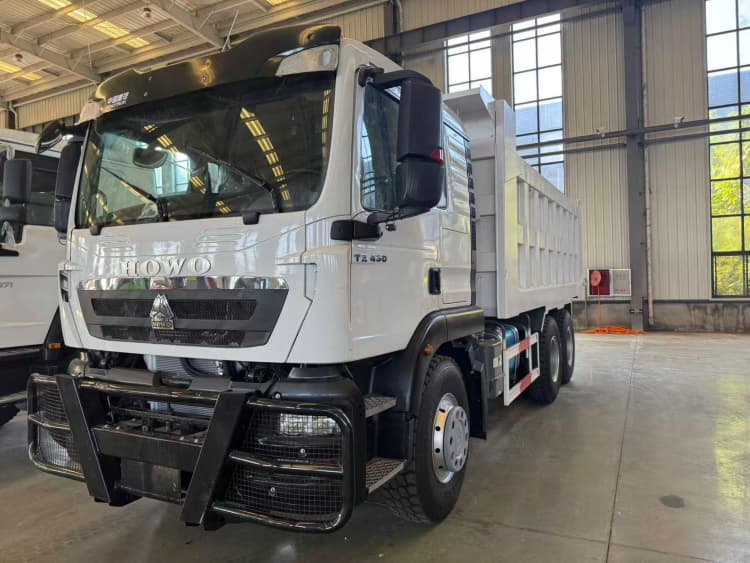
Aligned Asset Lifespan Matching Mid-Term Project Cycles
The biggest advantage of standardized reman truck is that their available service life closely matches the typical 2–5 year mid-term project window.
During the standardized reman workflow, technicians screen eligible core units and regenerate critical assemblies to guarantee a defined residual service life. Every structural and powertrain component passes multi-stage inspection and load testing before delivery. The asset is engineered to deliver stable performance for the full project duration.
New heavy trucks are designed for 8–12 years of service. Buying new for a 3-year mine or road construction project means discarding most of the vehicle’s usable lifespan at project completion. A large portion of the capital investment is locked in rapid early depreciation.
By contrast, ordinary used trucks have unknown remaining life. A unit may fail halfway through the project, forcing emergency replacement and schedule disruption. Standardized reman trucks provide predictable usable life that ends roughly in line with the project timetable, eliminating over-investment in excess service capacity and removing uncertainty about premature failure.
Optimized CAPEX and Improved Cash Flow for Project Companies
Mid-term projects are usually funded by project-specific financing. Cash reserves are prioritized for raw materials, site labour and operational expenses, rather than tied into heavy fixed asset purchases.
Standardized reman trucks typically carry 35–45% lower upfront purchase cost compared with equivalent new trucks. Reduced capital expenditure preserves working capital for core construction and mining activities. Lower asset value also eases financing pressure, reduces interest expense and shortens the payback period, a key KPI for project financial evaluation.
This does not mean compromising reliability. Unlike cheap second-hand trucks that cut costs at the expense of inspection, Standardized reman’s cost saving comes from reusing qualified base chassis and structural substrates, not skipping quality gates. Project teams can scale fleet size faster within fixed budget limits and deploy more hauling capacity without expanding capital commitments.
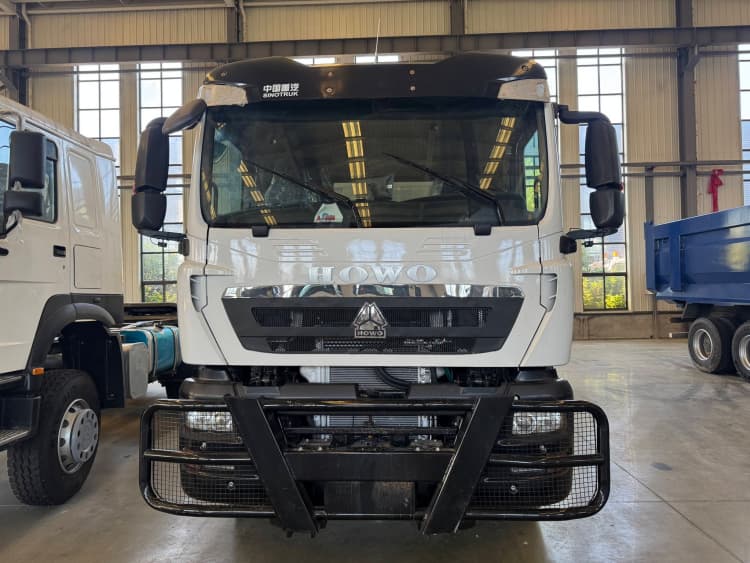
Controlled Downtime and Warranty Protection for Fixed-Schedule Projects
Time-bound mid-term projects carry severe financial penalties for schedule delays. Any unexpected vehicle breakdown may halt material hauling and trigger liquidated damages clauses. Reliability and predictable maintenance are non-negotiable.
Standardized remanufacturing includes full disassembly, component sorting, NDT crack detection, powertrain overhaul and simulated load bench testing. Hidden structural defects and worn internal parts are removed before delivery. Standardized reman trucks come with formal written warranty covering core assemblies for the full project operating window.
Generic used trucks usually come with little or no warranty. Repair costs and downtime risk fall fully onto the project contractor. New trucks offer comprehensive factory warranty, but the premium purchase price and steep depreciation outweigh the warranty benefit for short-to-medium project cycles.
For mid-term sites, Standardized remanufacturing balances uptime assurance and warranty coverage, while avoiding the heavy depreciation penalty of new equipment.
Predictable Residual Value and Clear Exit Strategy After Project Completion
A unique requirement of mid-term projects is the asset exit plan. Once the project finishes, contractors will resell, reallocate or export the fleet. The residual value of heavy vehicles directly impacts total project return.
Standardized reman trucks are delivered with complete traceability packages, including NDT inspection reports, component replacement logs and factory acceptance test records. When it is time to dispose of the fleet, buyers can verify the rebuild quality through the full documentation trail. This reduces risk discounts during resale and stabilizes residual value.
New trucks lose value rapidly in the first three years. After 2–5 years of heavy off-road operation, their resale price falls sharply. Ordinary second-hand trucks without inspection records face deep price cuts, because potential buyers cannot verify repair history or structural integrity.
For project finance teams, predictable residual value makes TCO forecasting far more accurate. Asset depreciation can be modelled reliably during project bidding, helping contractors submit more competitive and financially stable tender proposals.
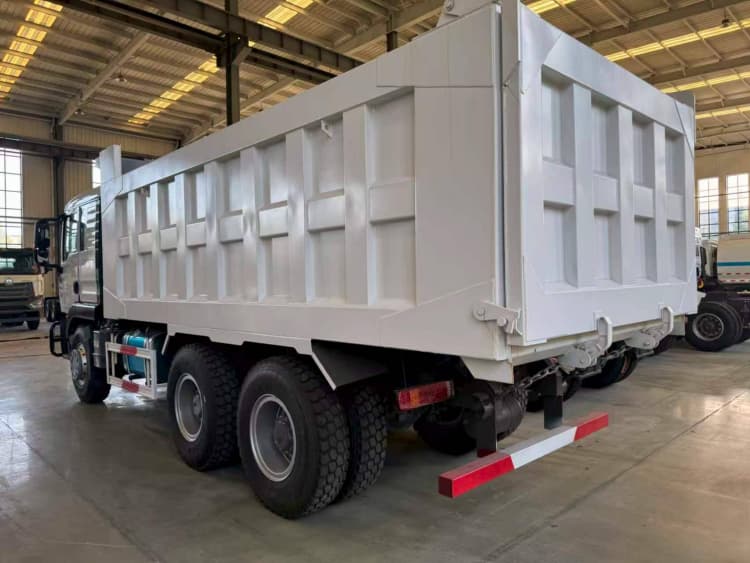
Flexible Configuration Tailored to Temporary Site Requirements
Mid-term projects are often located in remote regions, with unique terrain, payload and climate demands. Standardized reman trucks can be custom-configured during the reman rebuild phase to match site-specific operating conditions.
Before reassembly, suppliers can adjust gear ratios, upgrade braking retarders, reinforce sealing against dust or humidity and calibrate engine performance for high altitude. This customization is completed before shipment, ready for immediate deployment on site.
New trucks require long lead times for custom factory orders, which may conflict with tight project mobilization timelines. Pre-owned used trucks have fixed original configurations and cannot undergo systematic modification.
This configurability makes standardized reman trucks highly flexible for temporary mining, dam and road construction sites, where standard off-the-shelf truck specifications are often a poor fit.
Faster Delivery for Rapid Project Mobilization
Many mid-term projects have tight mobilization schedules, requiring full fleet deployment within weeks rather than months. New heavy truck orders often face extended manufacturing and shipping lead times. Production backlogs, component shortages and long factory delivery windows can delay project kick-off.
Standardized reman trucks are built against standardized reman workflows and available as finished or near-finished stock. Lead times are significantly shorter, supporting fast fleet mobilization. For remote cross-border projects, ready reman trucks reduce waiting time and help contractors meet project start deadlines.
ESG and Circular Economy Compliance for International Tenders
Global project tenders increasingly require contractors to demonstrate sustainable asset management and measurable ESG performance. Certified reman assets reduce virgin steel consumption and embodied carbon emissions compared with manufacturing new heavy vehicles.
Full traceability documentation can be included in sustainability reports, offering verifiable circular economy evidence. This becomes a competitive advantage for contractors bidding for international infrastructure and mining projects with ESG evaluation criteria. Simple second-hand vehicle fleets cannot deliver auditable sustainability records, while new trucks carry high embodied carbon from raw material production.
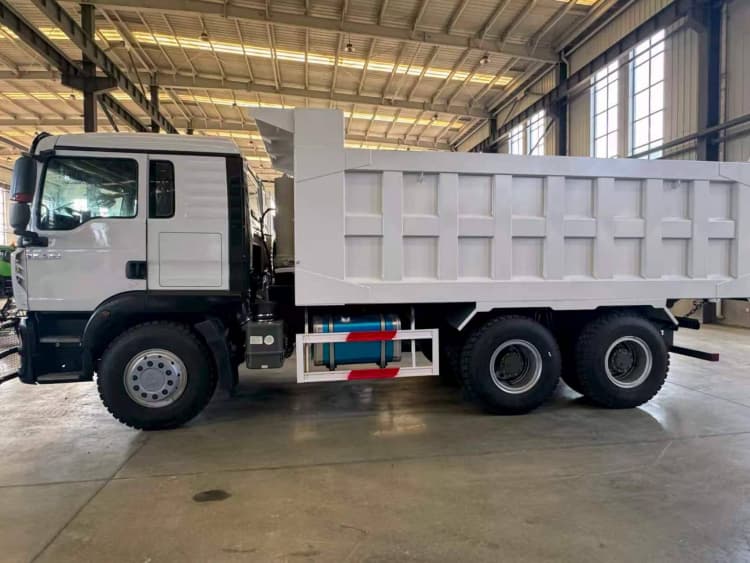
Key Comparison: New vs Used vs Standardized Reman for Mid-Term Projects
- New Trucks: High CAPEX, full warranty, steep early depreciation, long lead time, over-engineered for 2–5 year projects
- Ordinary Used Trucks: Low upfront price, unknown remaining life, limited documentation, high breakdown risk, heavy resale discount
- Standardized reman trucks: Moderate CAPEX, defined service life, formal warranty, complete traceability, customizable configuration, stable residual value
Common Pitfalls When Selecting Reman Trucks for Mid-Term Projects
- Confusing cosmetic refurbishment with standardized reman: Surface repainted trucks without NDT inspection and traceability records cannot deliver predictable service life through the whole project.
- Ignoring site configuration requirements: Generic reman trucks not adjusted for local terrain, altitude or dust will suffer accelerated wear.
- Overlooking warranty terms: Vague warranty wording with many hidden exclusions leaves the project exposed to repair costs.
- Poor exit planning: Failing to retain full asset documentation will reduce residual value when selling after project completion.
Conclusion
Mid-term global construction and mining projects operate on fixed timelines, constrained capital and strict schedule penalties. The core procurement goal is no longer simply buying the cheapest or newest trucks. It is selecting assets whose service life, cost structure and risk profile perfectly match the project’s 2–5 year operating cycle.
Standardized reman trucks solve this challenge by balancing controlled upfront investment, verified structural reliability, customizable site configuration, formal warranty, predictable residual value and auditable ESG performance. For project contractors worldwide, Standardized remanufacturing is no longer a compromise choice. It has become the preferred fleet solution for time-bound mid-term infrastructure and mining developments.