
How Standardisation Remanufacturing Preserves Asset Value Through Multiple Ownership Transfers?
Intro
Most used heavy trucks lose value sharply with every change of owner. Each new buyer suspects hidden fatigue, undocumented repairs or prior overload abuse, and discounts the price accordingly. Standardisation remanufacturing breaks this cycle. Instead of value eroding with each transfer, the asset carries a persistent, verifiable quality baseline that travels with the VIN. The same remanufacturing dossier, traceable reman records and duty rating that reassured the first fleet buyer continue to support valuation through subsequent resales, reducing value leakage across the whole ownership chain.
Why Ordinary Used Trucks Bleed Value on Every Transfer?
For uncertified used trucks, ownership change resets the buyer’s risk assessment. The seller knows the history, but the next buyer does not. There is no trusted proof of what was repaired, what defects were masked, or whether the truck was run beyond safe load limits. Buyers assume the worst-case scenario and apply a risk discount.
Even a mechanically sound truck gets marked down, because the buyer must budget for unseen failures after purchase. After the second or third transfer, the discount becomes so large that the asset is only valued for scrap or core material. This cumulative discount is the main driver of rapid value decay for mixed, undocumented used stock.
Standardised Specs Create a Consistent, Transferable Quality Baseline
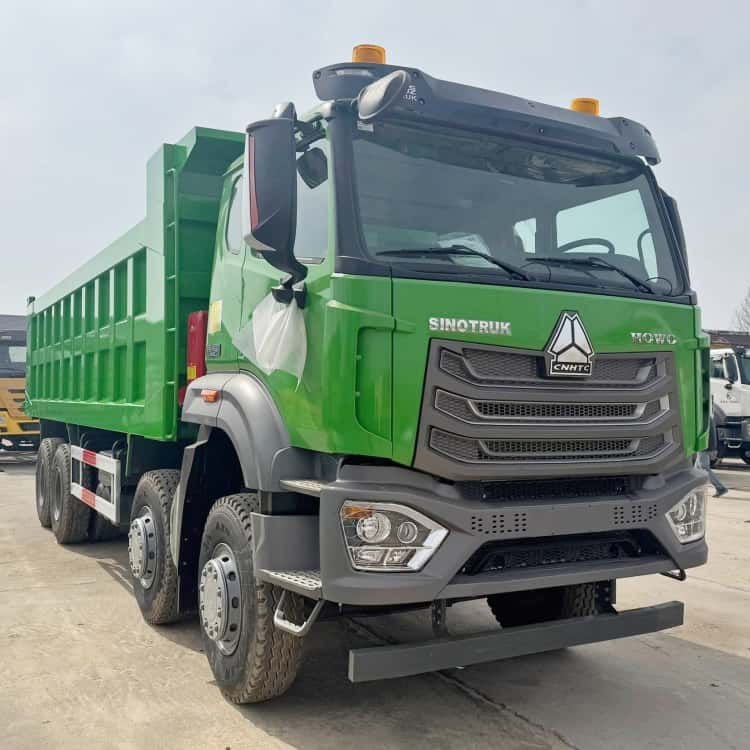
Every REMAN ROAD high quality reman trucks of the same model and duty grade is rebuilt to an identical fixed standard. The bill of materials, mandatory consumable replacement rules, NDT screening scope and bench test criteria do not change between rebuild batches. This specification is permanently attached to the VIN dossier.
When the truck changes hands, the new owner does not need to guess what “remanufactured” means. They inherit the same defined rebuild scope, not a vague promise of “repaired and ready”. Uniform standards also mean service and repair work stays consistent through transfers.
A maintenance team that works with REMAN ROAD spec in one fleet can service the same unit after it moves to a second operator, without reverse-engineering ad-hoc modifications or custom component swaps. Stable serviceability directly supports stable valuation.
The VIN Dossier Acts as a Portable Proof Package
The digital traceability file is the core asset that travels through each sale. It includes NDT inspection reports, torque-logged assembly records, powertrain bench test results, warranty terms and post-rebuild telematics history. Unlike a seller’s verbal statement, the remanufacturing dossier is auditable and independent of who owns the truck.
A second or third buyer can validate the rebuild quality before committing, which removes the need for large risk-based discounts. Warranty transferability amplifies this effect. If the remaining powertrain and structural warranty can be assigned to the new owner, the incoming buyer’s downside risk is capped, and they are willing to pay a premium that survives the ownership change.
Duty Grading Sets Clear Operating Boundaries for Successive Operators
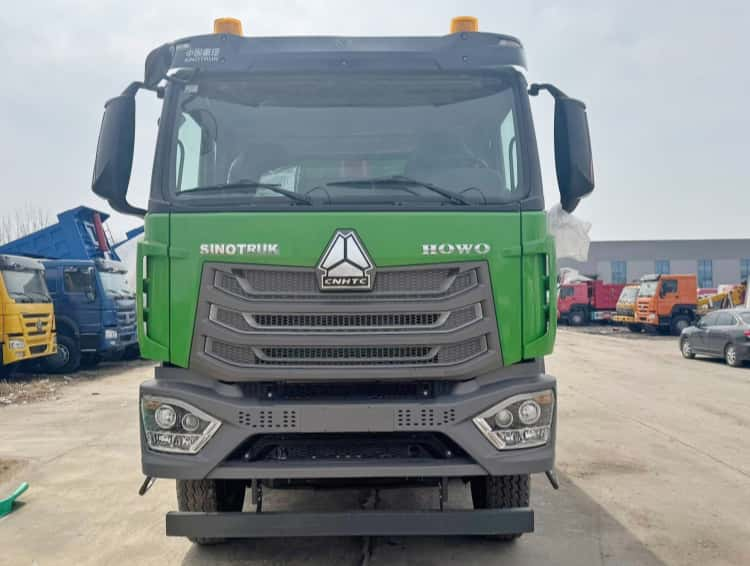
Duty grade is a critical transferable attribute. It tells every future dispatcher the maximum payload, terrain and operating cycle the truck is engineered for. Without this label, a new owner may deploy a reman truck into heavy quarry work when it was rebuilt for highway haulage. Accelerated wear follows, and the next resale will suffer a major value hit.
When the grade is documented and tracked via telematics, each owner understands the operating envelope. The high quality reman trucks’s depreciation curve follows the forecasted rate, rather than collapsing because of misapplication by an uninformed subsequent operator.
Reduced Re-Inspection Costs for Secondary Buyers
Secondary buyers of used trucks often pay for expensive, full third-party inspections before purchase. These inspection costs are factored into the offer price, pushing the bid down. For REMAN ROAD standardisation remanufacturing, the existing audit package replaces much of the pre-purchase inspection burden.
Buyers can focus on verifying recent post-rebuild wear rather than re-running the full rebuild validation. Lower inspection friction means less price negotiation pressure and fewer lowball offers.
How Value Decay Compares Across Multiple Transfers?
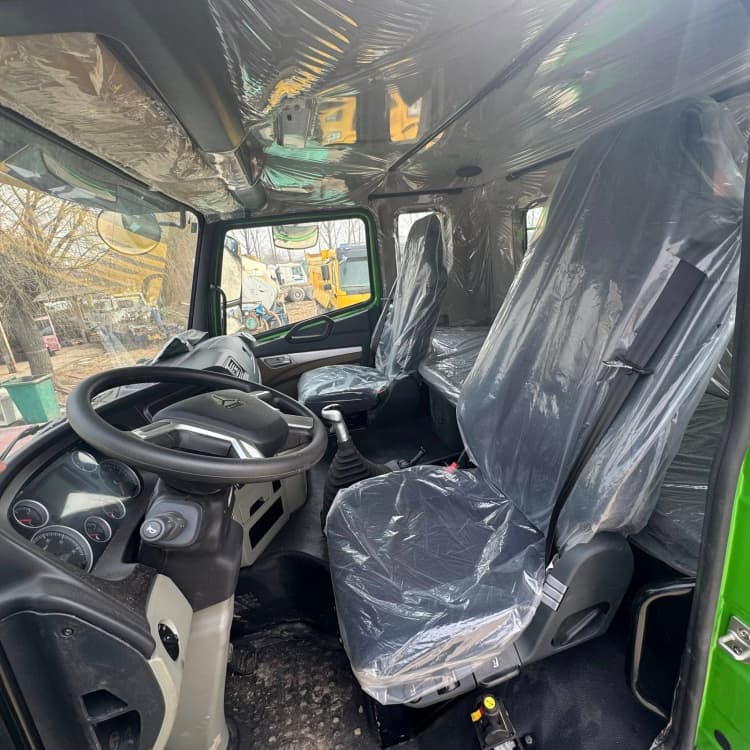
An uncertified used truck typically sees its largest discount at the first transfer, then further devaluation at each subsequent sale, until only scrap value remains. Standardised high quality reman trucks still depreciates naturally with operating hours and warranty expiry, but the rate of value loss is far more linear.
The steep “uncertainty discount” that hits ordinary used trucks is removed. The asset retains a usable, marketable value through two, three or more ownership cycles, rather than being written off after one or two transfers.
Boundary Note
Standardisation does not stop normal depreciation. Hours, wear, warranty expiry and market cycles still reduce value over time. The protection applies to avoidable value loss caused by information asymmetry, undocumented modifications and unknown prior abuse.
If an owner operates outside the assigned duty grade, damages will still accumulate and erode the resale value, and the remanufacturing dossier will record that out-of-grade operation for the next buyer.
Q&A
Q: Does the reman standard stay valid after the warranty expires? A: Yes. The traceable reman records trail and duty grade remain valid evidence of the original baseline, even after warranty lapses. The unit will shift to a lower value tier, but it still commands more than an undocumented used truck of the same age.
Q: Can buyers ignore the dossier and grade? A: They can, but the valuation premium only holds when buyers recognise and trust the REMAN ROAD standard. For export markets, sharing the full remanufacturing dossier is key to preserving cross-border resale value.
Q: Is this advantage only for trucks sold to fleets, or also auctions? A: It works for both. Auction buyers will bid higher on units with complete, traceable reman records, reducing the steep wholesale discount common in used truck auctions.