
Why Stable Reman Makes Tender Pricing More Accurate and Less Risky?
Intro
Tender pricing fails when fleet cost assumptions are guesswork. Uncertain truck reliability, surprise breakdowns and volatile repair bills force bidders to pad large contingency margins or risk absorbing losses mid-contract. REMAN ROAD stable remanufacturing creates a stable cost baseline, so tender figures are more accurate and commercially defendable.
The Pricing Risk of Unvetted Used or New Truck Alternatives
When building tender quotes, many contractors face two poor choices. New trucks carry high upfront capital cost, steep depreciation and long lead times that can derail project timelines. Random used trucks carry low purchase cost but unknown condition; the bid team must guess future failure rates, downtime and repair expense.
If you under-estimate risk, a single catastrophic powertrain failure can wipe out the project margin. If you over-estimate and add excessive contingency, your bid becomes uncompetitive and loses to rivals. This is the core tender pricing dilemma for haulage, mining and earthworks contracts.
Stable Remanufacturing Provides a Repeatable TCO Baseline
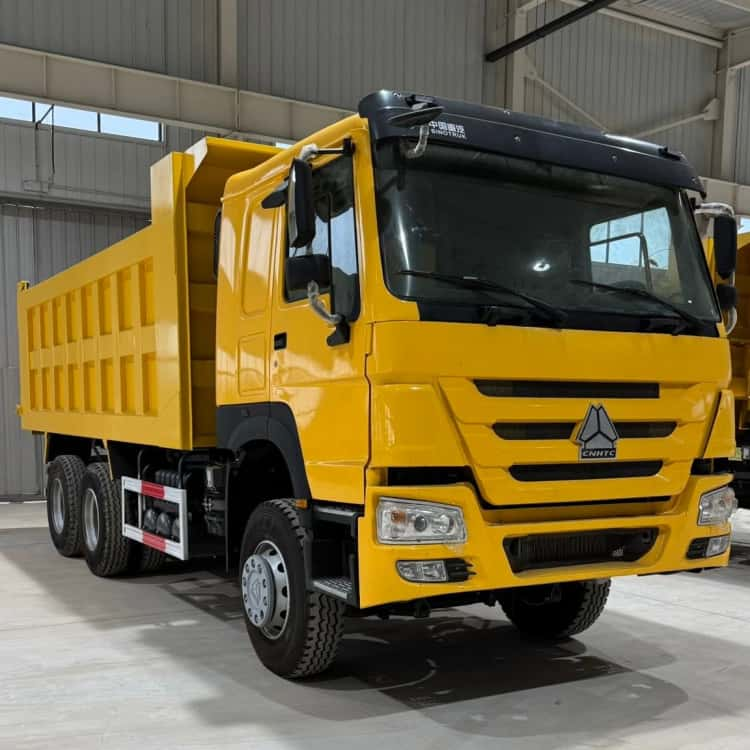
REMAN ROAD stable reman trucks follow unified rebuild standards, NDT screening, mandatory consumable replacement and consistent duty grading. Each stable reman truck has predictable scheduled maintenance cycles, known failure profiles and defined warranty coverage for latent defects.
Instead of modelling each truck as an unknown variable, estimators apply a proven, consistent TCO rate for the reman fleet pool. This removes the broad range of “what if” scenarios that inflate bid uncertainty. The cost model is anchored to audited, historical fleet performance data.
Warranty Shields the Bid Against High-Impact Breakdown Events
The biggest margin-killing events in fixed-price contracts are unplanned major component failures. These trigger repair costs, towing, idle labour and liquidated damages for missed deliverables. Validated stable reman warranty absorbs the cost of latent rebuild defects.
This caps the downside risk for the tender. The estimator only needs to budget for routine wear and operator-related incidents, not rare but expensive structural or powertrain failures. That means contingency lines can be smaller, deliberate and transparent, rather than a vague safety buffer.
Duty Grading Matches Asset Capability to Contract Scope
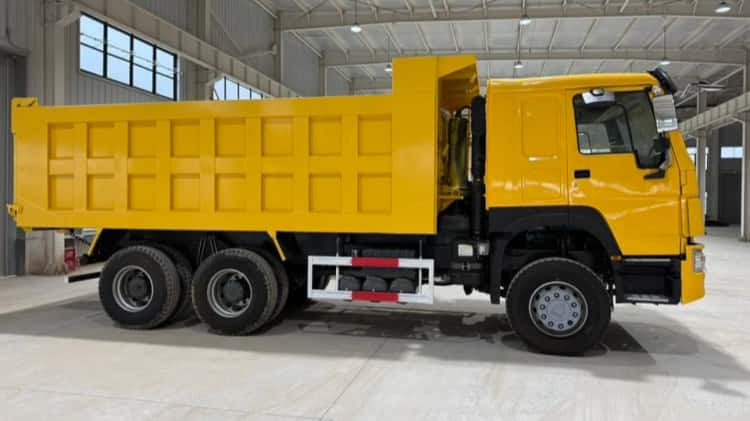
Duty grading lets estimators select the correct reman class for the job specification. A heavy off-road quarry contract uses high-duty graded units; highway haulage uses suitable mid-duty units.
This prevents two costly pricing errors: over-specifying expensive assets and raising the bid unnecessarily, or under-specifying and pushing trucks beyond their design limits, which accelerates wear and triggers premature failures. Asset selection becomes rule-based, matching the job load, terrain and operating cycle written in the tender documents.
Homogeneous Fleet Simplifies Volume Scaling
For large tenders requiring dozens of trucks, a homogeneous reman pool means consistent cost across the whole fleet. There is no mix of high-risk old units and variable-quality refurbished stock that require separate cost lines.
If the contract is extended or scaled up, the same cost assumptions still apply. The fleet team can add more stable reman trucks at the same modelled rate, without reworking the entire commercial model. This is especially valuable for multi-year framework agreements.
Audit Trail Supports Commercial Defence
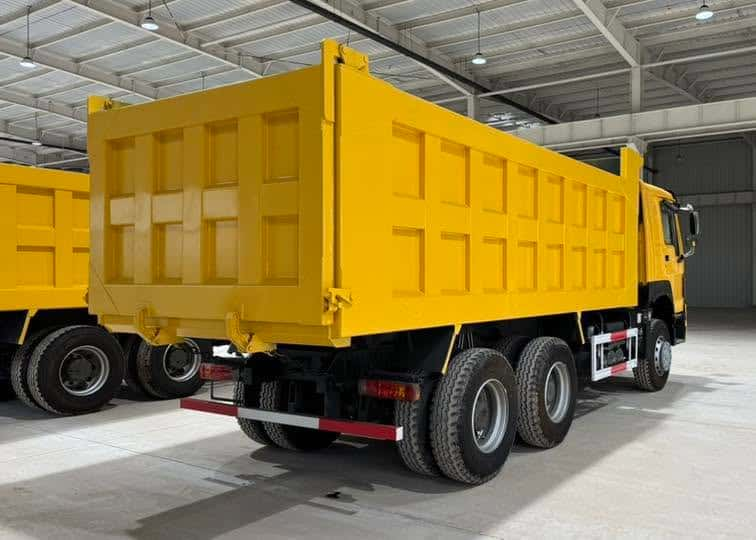
Clients often challenge pricing and contingency lines during tender evaluation. REMAN ROAD stable remanufacturing’s VIN traceability dossier, inspection records and warranty terms are evidence to back up your cost build-up.
You can demonstrate that your fleet cost assumptions are not arbitrary padding; they are based on audited stable reman standards and documented reliability. This builds credibility with procurement teams and reduces the chance of post-award commercial disputes.
Important Boundary
Reman does not eliminate all tender risk. Overloading, poor site maintenance, bad fuel or operator misuse can still cause failures outside warranty coverage. Stable remanufacturing removes uncertainty from the asset itself, not operational risks on site. Estimators still need separate provisions for operational hazards.
Q&A
- Q: Can reman help me submit a more competitive bid without cutting margin? A: Yes. Lower, predictable contingency requirements let you reduce the risk premium in your price, while keeping your target margin intact.
- Q: Is reman suitable for fixed-price, long-duration mining contracts? A: It is well suited, provided you select the correct duty grade and align warranty terms with the contract timeline.
- Q: What if the tender requires new vehicles only? A: Some frameworks specify new assets. Where second-life certified stable reman is permitted, it delivers the pricing advantage; otherwise, new trucks remain the compliant option.