
How Proven Reman Simplifies Internal Charge-Out and Cross-Department Asset Allocation?
Intro
Internal charge-out and shared asset allocation become messy when fleet units have inconsistent quality, unknown prior history and volatile repair costs. Proven remanufacturing with unified reman standards creates a uniform asset baseline, letting finance and operations set stable charge rates and move trucks between departments without unexpected cost surprises.
The Pain Point of Heterogeneous Mixed Fleets
Many organisations operate a mixed pool of new, old, randomly refurbished and second-hand trucks. Each unit has different wear patterns, risk profiles and unplanned failure likelihood. When sharing equipment across mining, haulage, maintenance and site teams, finance struggles to set fair charge-out rates.
One department may draw a high-maintenance old truck, soaking up budget and triggering unplanned downtime, while another gets a more reliable unit. Disputes arise over who pays for unexpected repairs, and budget forecasting breaks down. Asset allocation becomes subjective, based on luck rather than structured rules.
Standardised Baseline Enables Consistent Charge-Out Modelling
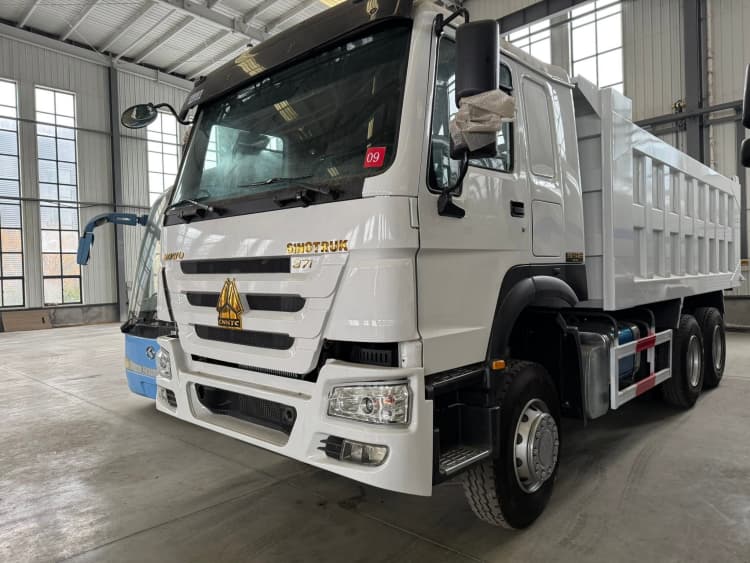
REMAN ROAD proven reman trucks are built to identical inspection, rebuild and unified reman standards. Their expected service life, scheduled maintenance cost, failure risk and residual value are predictable and comparable.
Finance teams can build a single, repeatable charge-out formula across the whole reman pool, rather than creating custom rates for every individual truck. Rates factor in scheduled servicing, warranty coverage, depreciation and holding cost. This removes endless one-off negotiations and simplifies monthly internal billing.
Smooth Cross-Department Rotation
Because proven reman trucks carry the same quality benchmark, they are interchangeable within the fleet. Operations can reallocate trucks between sites, projects or departments at short notice without extra risk assessment. There is no need to run lengthy pre-transfer inspections or assign high-risk older units to low-priority work.
A proven reman truck assigned to the quarry team can later move to road haulage or site support, with the same maintenance schedule and reliability expectation. This flexibility maximises asset utilisation across the whole business.
Clear Cost Ownership and Auditability
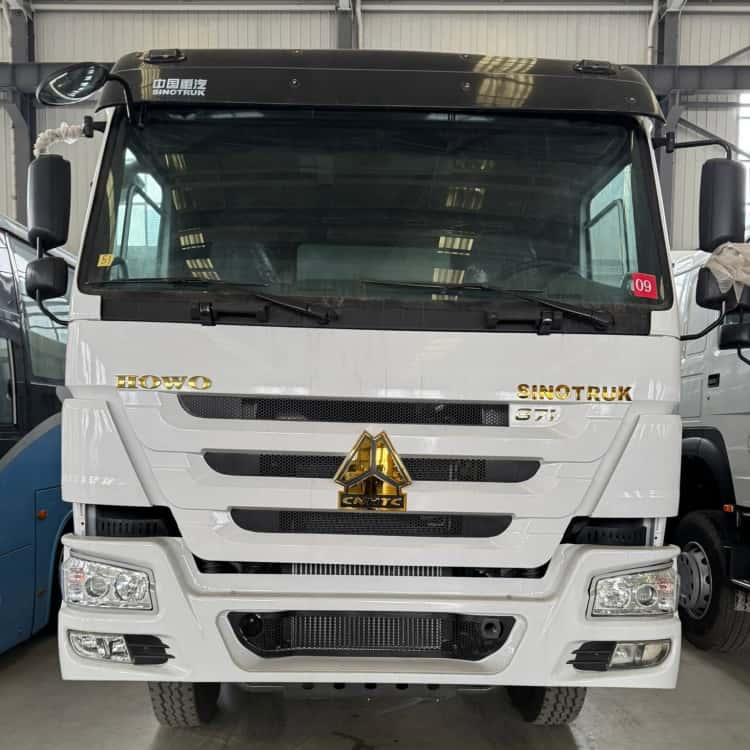
Each proven reman truck has a VIN-bound digital dossier logging rebuild history, warranty terms, maintenance records and all repair events. When a failure occurs, it is easy to tell whether the issue stems from latent rebuild defect (covered under warranty), normal scheduled wear, or operational misuse by the receiving department.
This clear separation of liability eliminates cross-department arguments over repair bills. Finance can automatically allocate costs to the correct cost centre, supporting clean internal reporting and audit-ready trails.
Simplified Budgeting for Shared Departments
Departments that rely on shared fleet capacity struggle most with volatile TCO. With a standardised reman pool, their annual fleet budget becomes far more stable. They can plan around fixed charge-out rates instead of reserving large contingency funds for unpredictable breakdowns. For tender-based project teams, this stability is especially valuable: project cost models can lock in vehicle hire costs without exposure to random mechanical failures eating into margins.
Practical Boundary
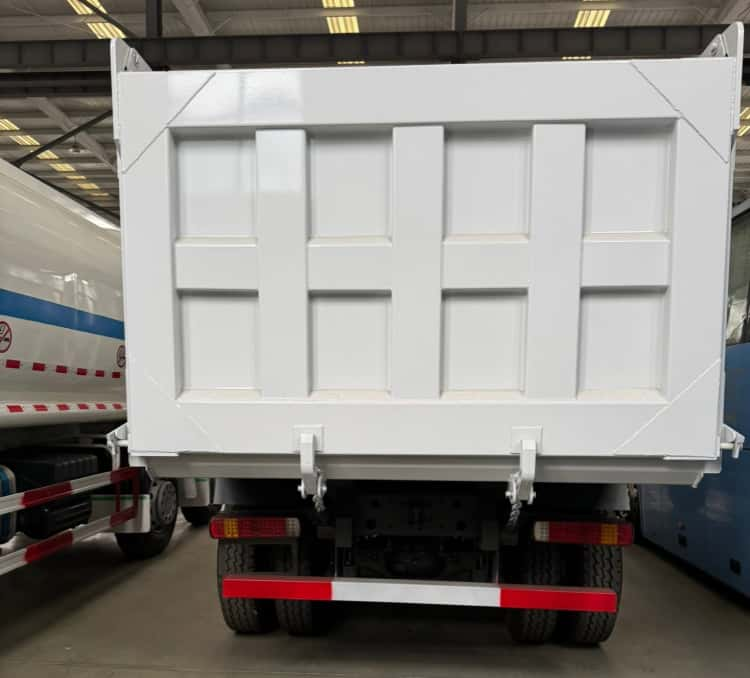
Unified reman standard does not remove duty-cycle differences. A truck running heavy 24/7 quarry work will still wear faster than one used for light site runs. The standardised reman baseline simply gives a consistent starting point to apply duty-cycle adjustment factors, rather than starting from unknown asset condition.
Q&A
Q: Can charge-out rates still be adjusted for heavier duty cycles? A: Yes. The base rate stays consistent, with transparent duty-cycle surcharges applied for high-load, off-road or extended-shift use. The underlying asset quality benchmark remains comparable.
Q: Does this work alongside new trucks in the same internal allocation pool? A: It works best when separated into tiered pools: new assets and certified proven reman trucks each have their own clear, published charge-out schedules. Mixing them is possible but requires separate rate tables.
Q: How does this reduce admin work for the fleet office? A: It removes ad-hoc condition assessments, custom rate negotiations and dispute resolution over unexpected repair costs, turning asset allocation into a rule-based process.