
How Standardisation Reman Shortens Lead Time for Urgent Haul Capacity Additions?
Introduction
Construction, quarry and mining operations frequently face sudden demand spikes: a new contract award, a revised production schedule, or a replacement requirement after unexpected vehicle breakdown. Sourcing extra heavy‑duty capacity quickly is usually a bottleneck. New trucks carry long factory lead times, while sourcing used trucks requires time‑intensive inspection, negotiation and condition validation.
REMAN ROAD Standardisation remanufacturing addresses this pain point by using fixed rebuild specifications, validated component pools and consistent testing routines. It creates a pipeline of ready‑to‑deploy assets that can fill urgent haul gaps without lengthy customisation.
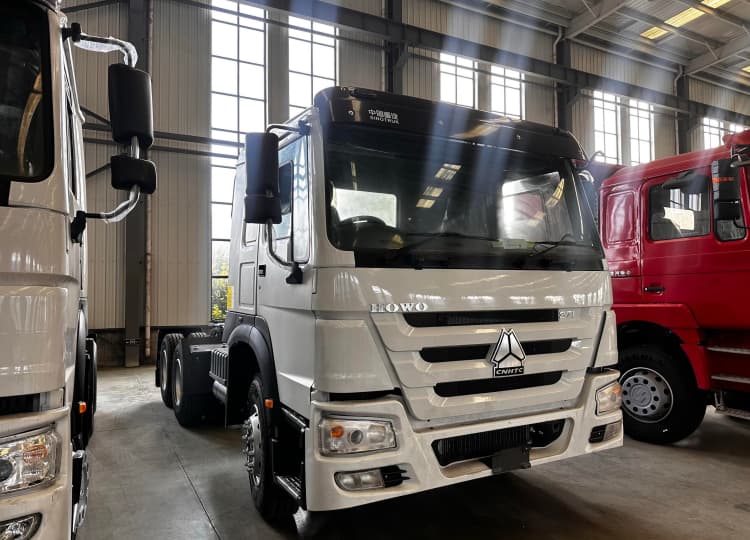
Fixed build specifications eliminate custom rebuild work
Non-standard rebuilds treat every truck as a unique project. Technicians select parts, define test criteria and adjust procedures on a case‑by‑case basis, which adds days or weeks of planning. Standardisation remanufacturing locks in predefined rebuild profiles matched to common haulage use cases, such as 6×4 dump trucks for site hauling.
Every standard remanufactured trucks follows the same disassembly, replacement, NDT screening, brake and powertrain test checklist. There is no need to re-engineer the build for each order. Once a core chassis passes structural inspection, it moves through a repeatable production sequence, reducing workflow uncertainty and cutting turnaround time.
Shared component inventory cuts waiting for spare parts
One of the biggest delays in urgent vehicle builds is waiting for hard‑to-source driveline, brake or hydraulic parts. Standardisation remanufacturing means the reman programme only supports a narrow set of proven configurations. Critical serviceable cores and replacement components are kept in pre-stocked inventory.
Instead of ordering parts on demand for each individual truck, the workshop pulls from pre-qualified stock. This removes the supply‑chain lag that often stalls emergency repairs or one‑off rebuilds. For fleet buyers, this translates into predictable availability when capacity is needed at short notice.
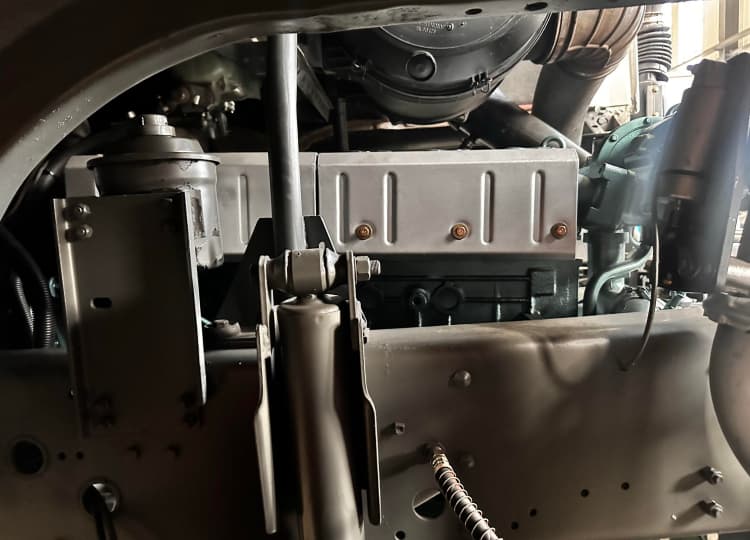
Pre‑completed audit and test documentation ready for mobilisation
Even after a truck is mechanically ready, paperwork and compliance checks can slow deployment. Standard reman units carry pre-generated, consistent documentation: NDT structural reports, brake performance test records, powertrain validation logs and warranty certificates. These Standardisation remanufacturing documents follow the same format for every standard remanufactured trucks.
When a fleet needs urgent capacity, the truck does not require a fresh round of third‑party checks or custom compliance reviews. Site mobilisation teams, safety officers and insurance providers can review the standardised dossier quickly, speeding up on‑site acceptance and entry into service.
Batch pipeline production creates standby ready stock
Standardisation remanufacturing enables batch processing. Rather than rebuilding one truck after receiving a customer order, the reman operation runs a continuous pipeline of cores through the same standard remanufacturing process workflow. Some finished units are held as ready stock for urgent demand.
When a fleet sends an urgent request, the supplier can allocate a completed or near‑completed unit immediately. This model is fundamentally different from the made‑to‑order new truck supply chain or the opportunistic used‑truck market, where availability depends on chance listings.
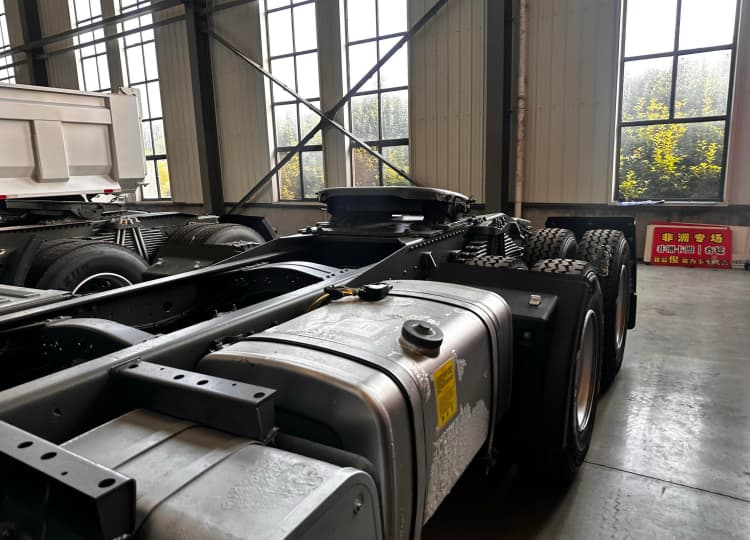
Reduced buyer inspection and validation time
Buying an unvetted used truck for urgent work requires the fleet’s own mechanics or surveyors to carry out deep inspections, which consumes valuable days. With standard remanufacturing process, the acceptance criteria are published and consistent.
Procurement and maintenance teams already know what test standards and wear baselines to expect. They do not need to run a full, independent deep dive from scratch. This drastically shortens the internal approval cycle for urgent procurement.
Conclusion
Standard remanufacturing process shortens lead time for urgent haul capacity by removing custom engineering, part hunting, ad‑hoc testing and bespoke validation. It turns remanufacturing from a slow custom rebuild service into a repeatable supply pipeline. For fleets facing tight project deadlines, this means reliable capacity can be brought online weeks faster than alternative sourcing routes.
One Comment