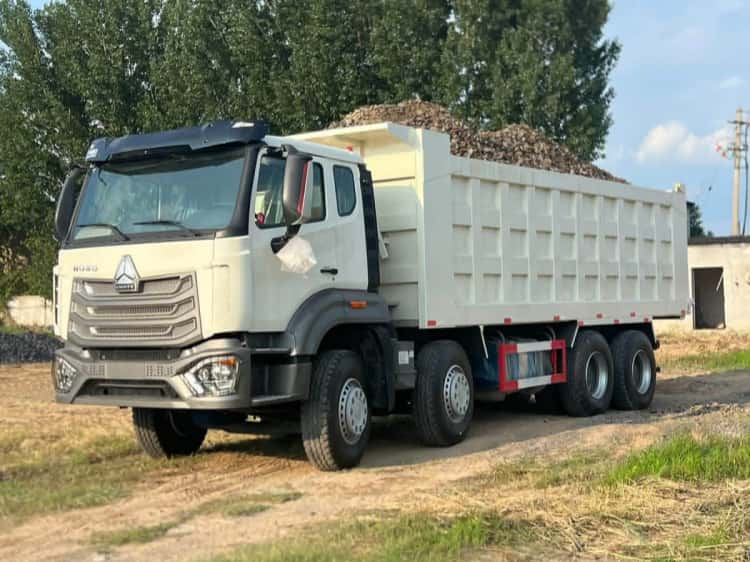
Fleet Procurement Checklist: Quality Standards Over Low Price
Intro
Fleet procurement teams often face pressure to minimise upfront purchase cost. On tender evaluation sheets, price is easy to quantify and compare, while quality, safety and residual risk are harder to score. This creates a costly bias: selecting the lowest bid, only to discover latent structural defects, inconsistent rebuild work and missing documentation after delivery.
For mining, construction and long-haul haulage fleets, procurement decisions should anchor on quality standards first, with price as a secondary comparison factor. REMAN ROAD’s certified reman framework is built around verifiable gates rather than cosmetic finish. This fleet procurement checklist sets out what to validate before award, to avoid buying low-price, high-risk assets.
Confirm the formal acceptance standard before comparing pricing
Do not start with quotations. First lock in the written engineering specification. Check that the supplier provides a fixed acceptance document covering teardown scope, component grading rules, NDT inspection zones, machining tolerances, dynamometer and load test requirements. Reject bids where “remanufactured” is loosely defined and no benchmark standard is attached. Without a shared specification, price comparison is meaningless.
Verify structural screening and NDT test scope
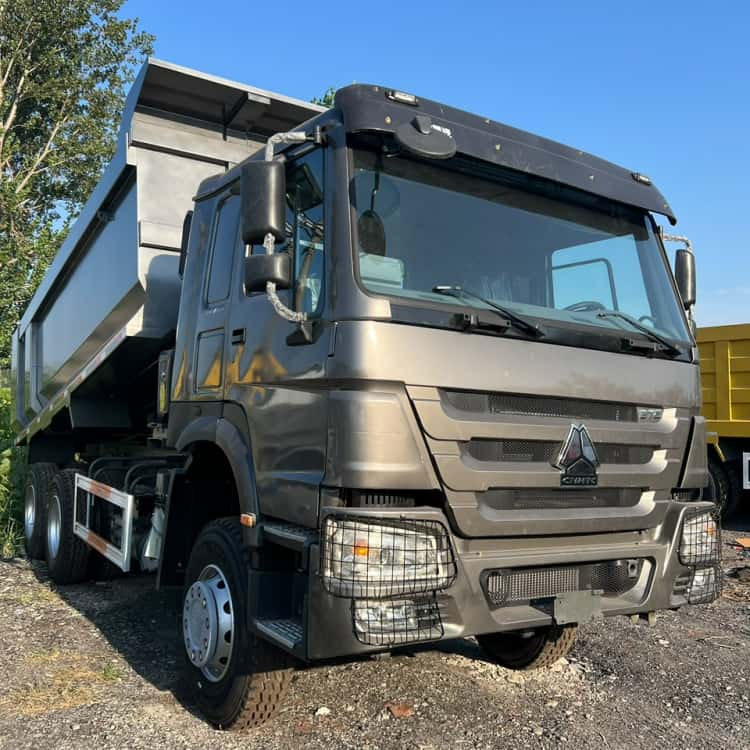
Structural risk is the highest-consequence failure mode. Confirm the checklist includes: defined high-stress inspection zones (frame rails, axle housings, suspension lugs), NDT method (ultrasonic, magnetic particle or equivalent), qualified inspectors, and pass/fail thresholds. Ask whether cracked or fatigued cores are scrapped, or allowed to return to service with patch welds. Any supplier that routinely plates or welds cracked structural components fails this quality gate.
Audit component grading and core rejection policy
A credible certified reman process grades every core, not just replaces obvious broken parts. Confirm three grading tiers: reusable after machining, replace with new/qualified exchange core, or permanent scrap. Request sample batch records showing rejection rates. If a remanufacturer never rejects cores, it is a strong warning sign that inspection is superficial.
Validate duty-class matching and performance testing
A truck rebuilt for highway duty is not suitable for cyclic mine haul. Check that the remanufacturer assigns a clear duty class, and runs matching validation: dynamometer power curve, cooling stability test, full-load cyclic simulation aligned to the target operating profile. Test reports must be tied to individual VINs, not generic batch certificates.
Inspect the end-to-end traceability system
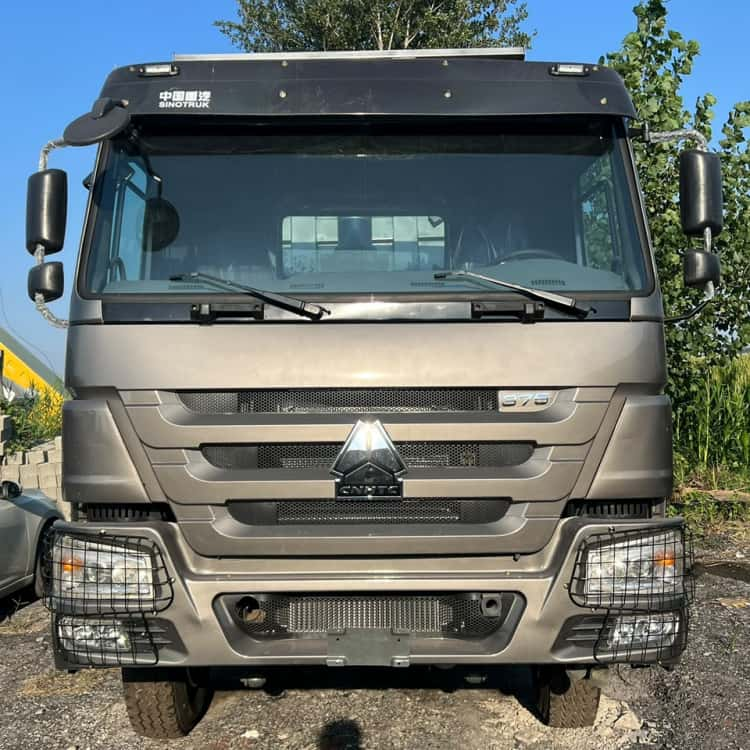
Traceability is proof the work actually happened. For each unit, confirm the record will capture: pre-rebuild condition log, NDT reports, list of reused/machined/new components, test results, technician sign-off and third-party verification. Paper-only receipts or photos of finished trucks are not sufficient traceability. The record must follow the VIN for the asset’s whole lifecycle.
Break down warranty terms, exclusions and claim workflow
Avoid vague “6-month warranty” language. Check for written clarity: covered assemblies, excluded consumables, coverage limit (time or operating hours), evidence required for claims, response SLA, regional spare support and neutral arbitration process for disputes. Warranty without defined support pipelines and documentation is only marketing text.
Evaluate parts standardisation and future serviceability
Even high-quality rebuilds become liabilities if spare parts are obscure or custom-modified. Review the bill of materials for consistency across the batch. Confirm part numbers are logged in the traceability system and compatible with readily available service supply chains. Beware of units built with unapproved aftermarket adaptations that create unique, hard-to-source component variants.
Check third-party independent verification
Internal workshop records alone carry bias. Quality-focused procurement requires independent third-party attestation of the reman standard, test execution and inspection protocol. Confirm the auditor is technically qualified, not affiliated with the rebuild workshop, and can provide audit reports upon request. This is the defence against greenwashing and exaggerated quality claims.
Model full-lifecycle TCO, not just acquisition price
Build a side-by-side TCO model for compliant bids, including:
- Purchase and financing cost
- Forecasted unplanned downtime risk
- Scheduled maintenance and parts consumption
- Insurance and liability risk
- Project-end residual value
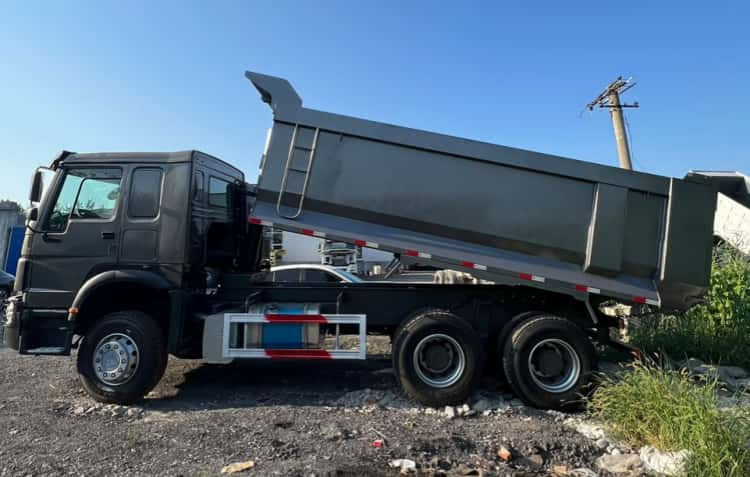
Two units with different upfront prices can reverse in ranking once downtime penalties and residual value are included. Lowest price rarely equals lowest TCO.
Confirm supplier continuity and after-sales governance
Assess whether the remanufacturer can support the fleet after delivery. Check: regional technical support, spare stock strategy, training for your technicians, and escalation contacts. A cheap remanufacturer that disappears after shipment leaves the buyer holding all repair, downtime and safety risk.
Important guardrail
Quality standards do not mean ignoring price. Price remains a valid comparison factor, but it should only be applied to bids that pass all mandatory quality gates. Low-price bids that fail verification should be eliminated before commercial evaluation, rather than accepted with hopes of acceptable performance.
Final Takeaway
Procurement success is not about picking the cheapest truck; it is about selecting assets that meet enforceable quality rules. For procurement and tender managers, the key takeaway is simple: use this checklist to validate structural inspection, testing, traceability and warranty first, then compare pricing only among suppliers that satisfy the quality baseline — the core principle of REMAN ROAD certified reman.