
How Global Engineering Projects Drive Reman Market Growth?
Intro
Global engineering projects — open-pit mines, highway corridors, dam construction, renewable energy access roads and cross-border logistics hubs — are one of the most powerful engines for the heavy truck reman market. These projects have distinct traits: fixed contract terms, strict uptime guarantees, large bulk capacity requirements, and pressure to control upfront capital spend.
New trucks often suffer from long production lead times and high upfront outlay, while generic second-hand trucks carry unpredictable breakdown risk. REMAN ROAD’s verified truck remanufacturing workflow, with full teardown, NDT structural screening, dynamometer validation, full-load road testing and third-party audit, is purpose-built to fit this project-driven demand. This article explains how global engineering projects unlock sustained growth for the verified truck remanufacturing sector.
Short project timelines require fast fleet deployment
Most civil and mineral projects have firm mobilisation schedules. Procurement teams cannot wait 6–12 months for new truck production and delivery. Certified reliable reman trucks are pre-built, tested and batch-ready. They can be shipped and commissioned within weeks, enabling contractors to hit site mobilisation deadlines. This fast deployment advantage makes reliable reman trucks the default option for urgent haul capacity, especially for short-term earthmoving and ore-haul contracts.
Capital constraints for project-based contractors
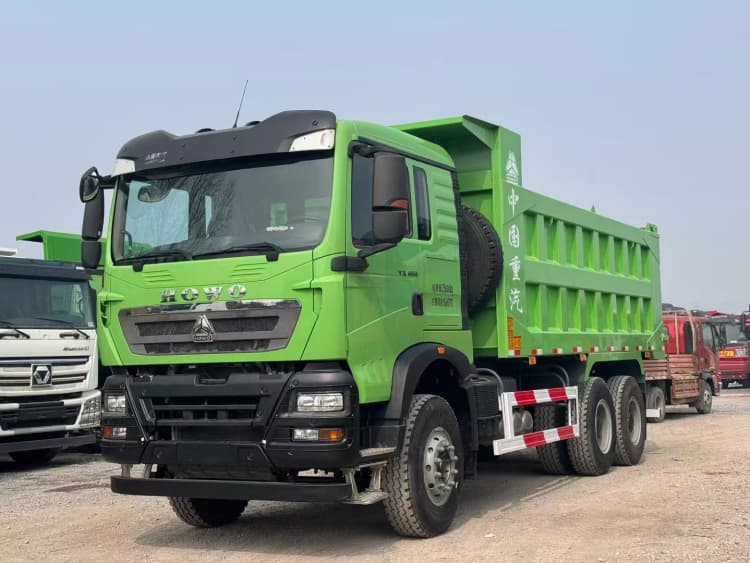
Engineering contractors operate on tight project finance budgets. New heavy trucks lock in huge capital that could be deployed to core works, labour, plant and site preparation. Reliable reman trucks deliver similar working payload and reliability at a much lower entry cost. The predictable TCO and fixed maintenance cycles we covered earlier help contractors build accurate tender financial models, without overcommitting capital for assets that will only be needed for the project duration.
Bulk, uniform fleet demand aligns with standardised reman batches
Large engineering sites require dozens of dump trucks working in linked haul circuits. Operations planners need consistent KPI performance, aligned service intervals and interchangeable wear parts. Standardised reman batches assessed by sampling inspection deliver uniform quality. Technicians learn one service routine; spare parts are stocked around one bill of materials. This is a major advantage over sourcing scattered second-hand trucks from multiple individual sellers.
ESG and Scope 3 carbon rules are increasingly written into tender clauses
Mining houses, multilateral infrastructure funders and international engineering firms now require measurable embodied carbon reduction and circular economy evidence. Genuine verified truck remanufacturing retains the embedded steel and casting value of the chassis, cutting embodied carbon compared with manufacturing new trucks. REMAN ROAD’s traceability and audit records provide the verifiable carbon savings documentation required to win tender pre-qualification, creating a strong differentiator against both new trucks and informal refurbished units.
Remote site conditions reward engineered, environment-adapted reman units
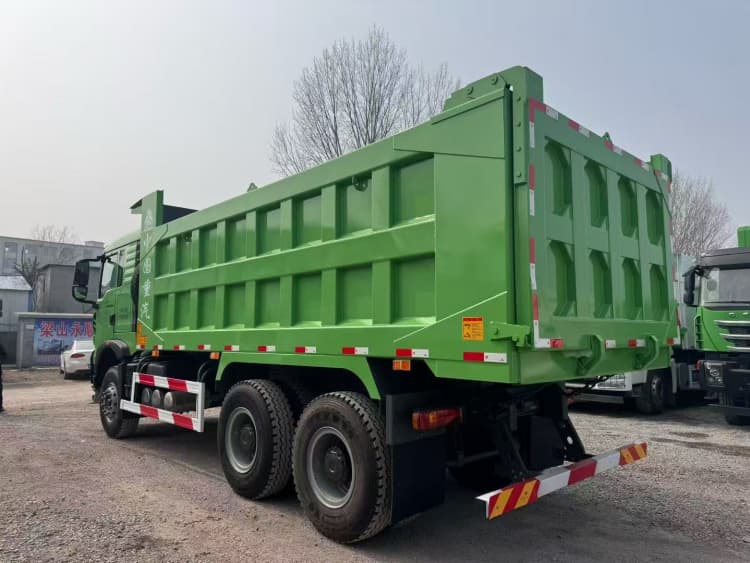
Most African mining and construction sites are hot, dusty, rough-terrain locations with limited local repair infrastructure. Reputable compliant remanufacturers upgrade air filtration, cooling, suspension and sealing for these harsh operating profiles. For project fleets, this reduces the chance of sudden structural or powertrain failure that triggers liquidated damages under haul availability clauses. Engineering project buyers actively seek this pre-adapted asset rather than modifying new trucks after arrival.
Exit flexibility matches temporary project asset cycles
Engineering projects are temporary. Once excavation, roadwork or mineral extraction finishes, the contractor does not want to own a large fleet indefinitely. Certified reliable reman trucks have documented pedigree and stable residual value. They can be reallocated to another site, leased out or resold together as a batch. This clean exit strategy is critical for project finance modelling, and it makes reman more attractive than new trucks, which carry steep early depreciation.
Project supply chains create repeat, multi-batch orders
A successful mine or road project rarely stops at one fleet order. Phase expansions, satellite pits and linked haulage contracts generate follow-on bulk procurement. When a contractor sees stable uptime, clear audit records and reliable after-sales support from a professional remanufacturer, they standardise the asset specification across their global project portfolio. This turns one-off spot purchases into long-term framework agreements, which is the biggest driver of scalable reman business growth.
Regulatory and import restrictions push buyers away from unregulated second-hand stock
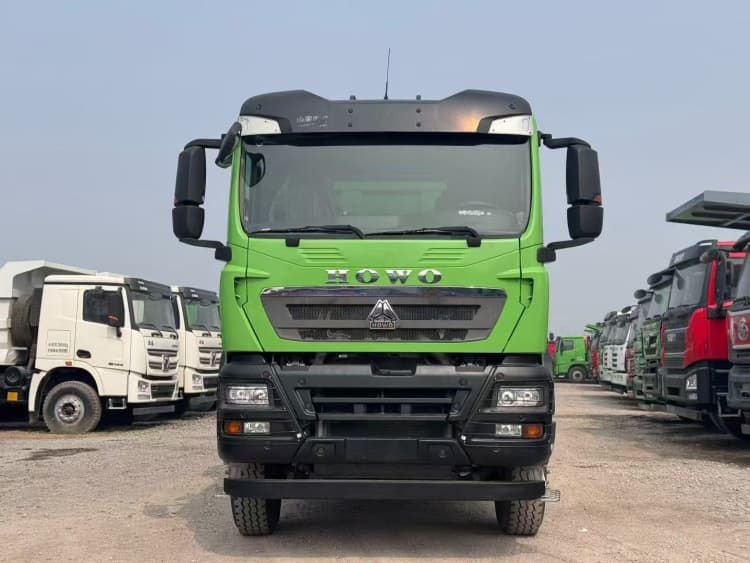
Many African host markets are tightening import rules for high-mileage, accident-damaged used trucks. Customs and mine auditors are rejecting undocumented overhauled units. Formal verified truck remanufacturing with clear definition, third-party certificates and VIN traceability fits the regulated classification pathway. Engineering procurement teams avoid cargo detention, fines and site bans by selecting auditable reliable reman trucks, which expands the addressable market for compliant remanufacturers.
Project risk frameworks prioritise auditable proof
Large engineering firms carry rigorous procurement risk policies. They require pre-purchase audits, acceptance criteria and independent verification before approving high-value asset spend. The reman suppliers that can deliver this structured documentation are preferred on tender shortlists. Informal cosmetic rebuilds without traceability are increasingly excluded from formal project procurement, lifting market share for standards-driven professional remanufacturer.
Important guardrail
Project-driven demand does not eliminate operational risk. Even reliable reman trucks will suffer accelerated wear if dispatched beyond their duty-class limits, overloaded or run without scheduled preventive maintenance. Project owners must match reman duty ratings to site haul cycles, and maintain local spare parts stock and technician capacity.
Final Takeaway
Global engineering projects do not merely buy trucks; they buy controlled, fast, auditable haulage capacity for fixed-term commercial risk. For procurement and project managers, the key takeaway is simple: certified verified truck remanufacturing’s speed, capital efficiency, ESG credentials and flexible exit profile perfectly match project requirements, turning temporary construction and mining demand into sustained growth for the reman truck market.