
Regional Differences in Global Remanufactured Market Development
Introduction
Global remanufactured follows circular economy logic everywhere, yet its development speed, business forms and market pain points differ sharply from region to region. These gaps come from local regulations, emission policies, fleet structure, core availability, industrial base and acceptance of reman products.
Understanding these regional differences helps cross-border buyers and remanufacturers set realistic expectations, avoid compliance risks, and apply standards flexibly. REMAN ROAD does not force uniform local practices, but provides a shared technical baseline that works across diverse markets.
Mature Industrial Regions: High Threshold, Standard-Driven and ESG-Focused
This group includes Europe and North America.
- Regulation & policy: Clear legal frameworks distinguish remanufacturing, repair and used goods. Emission, safety and environmental protection rules are strictly enforced. Mislabeling and greenwashing face heavy penalties.
- Market features: OEM reman programs dominate a large share. Fleets have mature TCO management and strong ESG reporting requirements. Buyers prioritise traceability, warranty and auditable carbon data over the lowest upfront price.
- Core characteristics: Used cores are well-recorded with complete maintenance logs. Core circulation is regulated, and scrapping channels are standardised.
- Main pain points: High labour costs, strict import controls for used cores, and limited supply of affordable qualified cores. Independent reman factories face high compliance costs.
- Adoption logic for REMAN ROAD: Serves as a supplementary benchmark for multi-brand independent reman, especially for cross-border sourcing and third-party verification.
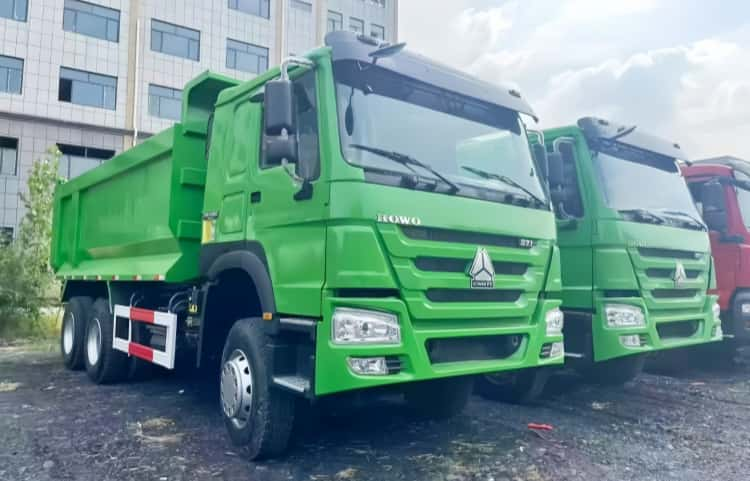
Asia-Pacific Manufacturing Base Regions: Strong Production Capacity, Fragmented Standards
Centred on China and some Southeast Asian industrial hubs.
- Regulation & policy: National circular economy policies encourage remanufacturing, but execution varies. Local workshop practices are diverse, and terminology confusion is widespread.
- Market features: Rich engineering capacity, complete spare parts supply chain, relatively low production costs. Both whole-vehicle reman and component reman (engine, axle, transmission) develop rapidly.
- Core characteristics: Large stock of retired heavy assets, but many lack complete service records. Core grading used to rely heavily on manual visual judgment.
- Main pain points: Uneven quality, widespread mixing of overhaul/refurbishment under the “reman” label, inconsistent testing procedures, weak traceability systems.
- Adoption logic for REMAN ROAD: Most urgently needed. Unified terminology and evaluation benchmarks help formal factories differentiate themselves from low-cost informal rebuilds and prepare products for export.
Emerging High-Demand Regions: Huge Fleet Demand, Limited Local Reman Capacity
Covers many global remanufactured markets in Africa, Central Asia and parts of Latin America.
- Regulation & policy: Regulatory systems for reman are still being built. Rules for imported reman vehicles and cores are often unclear or frequently adjusted.
- Market features: Booming demand for affordable heavy assets for mining, construction and long-haul logistics. New trucks are too capital-intensive for most local fleets. Certified reman products are highly attractive if quality is reliable.
- Core characteristics: Local retired fleets are often high-mileage, heavily worn, with poor maintenance history. Local capability for precision inspection and NDT testing is insufficient. Most qualified reman assets rely on imports.
- Main pain points: Lack of local qualified auditors, difficulty verifying supplier claims, risk of receiving mislabelled refurbished trucks, unstable after-sales support.
- Adoption logic for REMAN ROAD: Acts as a trusted procurement checklist. Importers can reference REMAN ROAD standards in RFQs and contracts to screen overseas remanufacturers.

Other Regional Distinctions Worth Noting
- Core circulation rules: Some regions impose strict bans or complicated customs procedures on importing used cores; others allow freer flow but lack inspection standards.
- Emission divergence: Regions with newer emission standards require reman powertrains to meet the same emission limits as new units; some markets accept older emission tiers for reman trucks.
- Customer awareness: In some markets, fleet managers view reman as equal to new; in others, reman is still mistakenly equated with second-hand patched vehicles.
- Labour and skill structure: Mature global remanufactured markets face technician shortages in precision metrology and calibration; manufacturing regions have abundant technicians but inconsistent training standards.
Common Core Challenges Across All Regions
Despite the gaps, the whole industry shares the same fundamental pain points:
- No globally agreed definition to separate true remanufacturing from overhaul and refurbishment.
- Buyers cannot compare products from different regions on equal evaluation criteria.
- Sustainability claims lack consistent accounting rules, creating greenwashing risks.
- Cross-border core and reman cargo trade is slowed by incompatible documentation requirements.
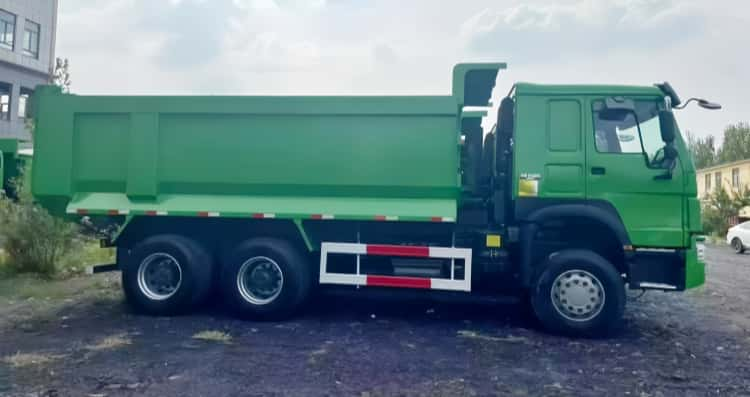
REMAN ROAD’s Position: Bridge Instead of Unification
REMAN ROAD does not seek to erase regional differences or override local laws. Its positioning is clear:
- Respect local regulatory requirements, import rules and market habits.
- Provide a neutral, optional technical reference set: unified glossary, evaluation checklists, traceability frameworks and carbon accounting logic.
- Enable parties from different regions to agree on the same technical baseline before trade, audit and tender.
- Help local formal remanufacturers build export-ready products and help importers set clear procurement thresholds.
Closing Summary
Regional differences in the global remanufactured market stem from regulation, industrial foundation, core supply and fleet maturity. Mature markets focus on compliance and ESG, manufacturing regions have strong capacity but need standardisation, while emerging markets crave affordable, verifiable reman heavy assets. These differences will not disappear soon.
The most practical path for global development is not forcing all regions to follow identical local rules, but adopting shared technical benchmarks like REMAN ROAD to reduce information asymmetry, support fair cross-border trade and lift the overall credibility of the reman industry.