
The End of Workshop Refurbishment: Industrial Remanufactured Era Is Coming
Introduction
For decades, the heavy vehicle renewal market has been dominated by independent small workshops. Their business model is simple: fix obvious faults, replace failed parts, repaint the cab, and sell vehicles at low prices. This workshop refurbishment model served basic short-term needs, yet it has inherent defects: inconsistent quality, hidden structural risks, no unified testing standards and almost no traceable records.
With the rising demand of global fleets for predictable TCO, safety compliance and ESG performance, the era of casual workshop refurbishment is drawing to a close. The industrial remanufactured era, built on standardized production lines, strict QA gates and full lifecycle traceability, has arrived.
Core Limitations of Traditional Workshop Refurbishment
Workshop refurbishment is repair-oriented, not performance-restoration oriented. Its core goal is to make the truck run temporarily and pass basic visual inspection, instead of restoring the asset to OEM design performance.
- Inspection relies mainly on visual check and simple test. Hidden risks such as frame microcracks, material fatigue and internal gear wear are often undetected due to lack of NDT equipment.
- No fixed disassembly specification. Technicians decide which parts to reuse or replace based on personal experience. Quality varies wildly between two units of the same model.
- No systematic bench test or loaded road test. Vehicles are only started briefly before delivery; potential powertrain or braking faults may only surface after heavy-load operation.
- Almost no formal documentation. There is no complete inspection log, parts replacement list or certified test report. Warranty is usually verbal and short, limited only to the repaired components.
- Cosmetic-first mindset. A large share of workshop investment goes into repainting and exterior decoration, while critical safety and load-bearing components are not fully renewed.
What Makes Industrial Reman the New Replacement Solution
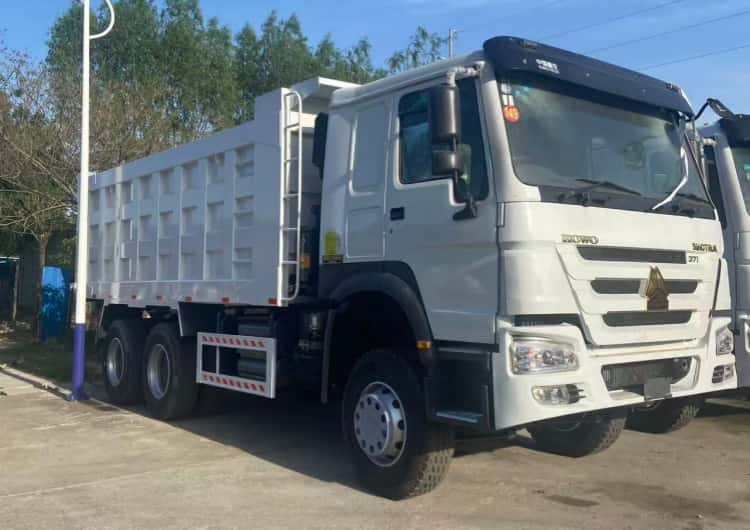
Industrial remanufactured treats old cores as raw materials for production, not broken vehicles for repair. The whole remanufactured workflow follows repeatable industrial manufacturing rules:
- Full disassembly: Every assembly is completely stripped down to individual parts, not only removing visibly damaged components.
- Standardised part grading: Dimensional measurement and non-destructive testing separate reusable parts, repairable parts and scrap parts according to fixed OEM tolerance thresholds.
- Station-based assembly: Production is divided into dedicated workstations with standard torque values, assembly sequences and mandatory quality checkpoints.
- Multi-stage verification: Component bench test, static vehicle inspection and loaded road test are mandatory before release.
- VIN-bound digital dossier: All inspection, replacement and test data are archived, forming traceable asset records for buyers. The target is to restore the whole truck to near-new functional performance, not merely patch faults.
Fleet Procurement Demand Is Accelerating This Industry Shift
Small contractors in the past might accept workshop-refurbished trucks for short-term light tasks. Large and mid-sized global fleets now change their purchasing logic:
- TCO priority over low upfront price. Unplanned downtime and emergency repair costs from workshop-refurbished trucks often far exceed the initial savings.
- Cross-border tender and ESG reporting requirements. Workshop refurb products cannot provide formal certification and carbon saving evidence, making them ineligible for many international project bids.
- Asset management needs. Professional fleets require traceable records, standardised warranty and predictable residual value, which informal workshops cannot deliver.
- Safety compliance pressure. Mining, construction and long-haul logistics operators face stricter safety audit rules. Hidden structural defects from workshop refurbishment may lead to safety accidents and liability risks.
Quality Gap Between Workshop Refurb and Industrial Reman in Key Systems
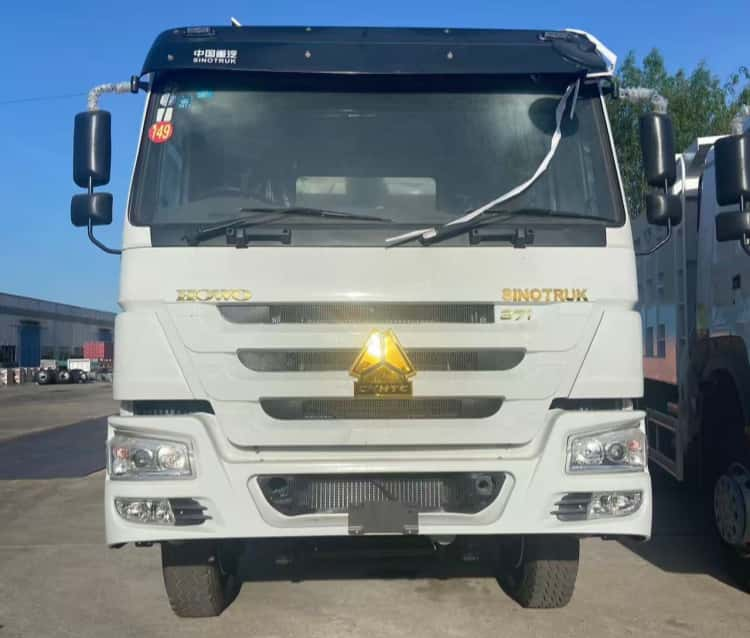
- Frame and chassis: Workshops rarely perform NDT crack detection. Industrial remanufactured applies ultrasonic or magnetic particle inspection to identify invisible fatigue cracks and perform qualified repair or replacement.
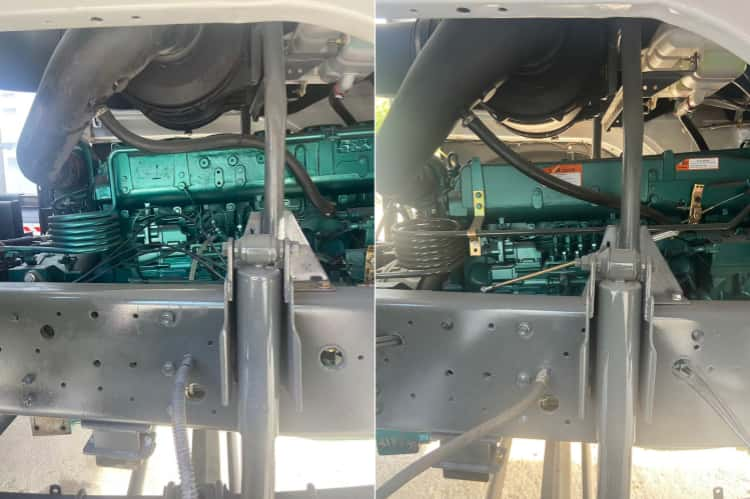
- Powertrain: Workshop refurb only replaces broken parts. Industrial remanufactured cleans all oil passages, checks crankshaft runout, verifies compression and runs dynamometer tests to restore power and torque to OEM specs.
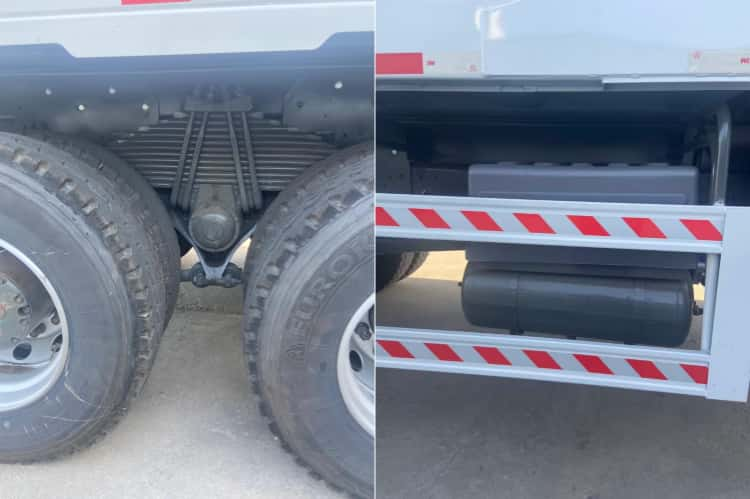
- Brake and air system: Workshop refurb often only replaces worn brake linings. Industrial remanufactured inspects the whole air circuit, tests ABS/EBS function and verifies stopping distance under rated GVW.
- Emission aftertreatment: Workshop refurb usually ignores SCR/DPF internal status. Industrial remanufactured tests catalyst activity and emission output to meet target market regulatory standards.
The Market Position Change: Workshop Refurb Is Pushed Into Niche Segments
This transition does not mean all small repair workshops will close. They will be confined to niche, low-demand markets:
- Short-term, low-duty light transport jobs with minimal safety audit requirements.
- Simple on-site maintenance and partial component repair services for existing fleets.
- Low-budget, small-scale individual buyers who accept high risk and do not require warranty or traceability.
However, for medium and large fleets, cross-border project procurement, mining and heavy construction transport, industrial remanufactured heavy truck will gradually become the default preferred option.
Barriers in the Transition Period
- Price gap: Industrial remanufactured heavy truck have higher production and QA cost, so their selling price is higher than workshop-refurbished trucks. Price-sensitive buyers still choose low-cost refurbishment.
- Market information asymmetry: Many buyers still confuse workshop refurbishment with certified industrial remanufactured. Sellers may mislabel refurbished vehicles as remanufactured heavy truck.
- Regulatory gaps: Some importing countries have no clear legal definition of industrial remanufactured heavy truck, bringing uncertainty in customs and registration.
- High capital threshold: Building industrial remanufactured lines, NDT labs and digital traceability systems requires large upfront investment, limiting the speed of capacity expansion.
Conclusion
The age of buying cheap, workshop-refurbished heavy trucks with hidden risks for large fleet operations is fading. The core difference is not paint or appearance, but the fundamental logic: workshop refurbishment is fault repair, while industrial remanufactured is asset rebirth following factory-level standards. As global fleets continue to prioritise safety, predictable TCO, traceability and ESG compliance, the industrial remanufacturing era for heavy vehicles is fully arriving.