
Global Heavy Vehicle Remanufacturing Industry Development Trends 2026
Introduction
The global heavy‑duty commercial vehicle remanufacturing industry enters a critical inflection point in 2026. Pressured by high new‑truck capital expenditure, tightening circular‑economy regulations, aging global fleet stock, and rising ESG reporting requirements, remanufacturing is evolving from a marginal aftermarket alternative into a formal, high‑growth industrial track.
Nevertheless, the vehicle remanufacturing industry still faces structural pain points: inconsistent regional definitions of remanufacturing, widespread confusion between genuine reman and cosmetic refurbishment, fragmented cross‑border certification rules, and uneven digital adoption across reman workshops.
This article unpacks seven core trends reshaping the global heavy‑vehicle reman landscape in 2026, covering standards, digital transformation, procurement logic, regional market dynamics, ESG compliance, competitive pattern shifts, and existing industry challenges.
Trend One: Global Standard‑Setting Accelerates, Drawing Clear Line Between Remanufacturing and Refurbishment
For years, the biggest barrier for cross‑border reman trade was the absence of unified global definitions. Different countries, factories and traders apply vastly different production depth, inspection thresholds and acceptance criteria for “reman trucks”. 2026 witnesses obvious progress on standard alignment across major importing and exporting markets.
- National‑level standards gradually gain cross‑regional recognition: China GB/T 33000‑2023 remanufacturing quality management system is increasingly referenced by Southeast Asia and Middle‑East importing authorities as an audit baseline for imported reman heavy assets. Multiple markets now require formal reman certification rather than simple overhaul receipts for customs clearance and vehicle registration.
- Third‑party independent audit becomes mainstream requirement: Buyers are moving away from factory self‑declaration. Third‑party verification covering core‑part screening depth, non‑destructive testing records, mandatory safety‑component replacement list and finished‑vehicle bench test reports turns into a baseline for qualified reman assets.
- Market regulatory bodies explicitly distinguish remanufacturing vs refurbishment: Import‑market authorities are starting to ban traders from labeling superficial cosmetic overhaul products as reman trucks, to curb misleading marketing. This pushes low‑grade refurbishment workshops out of formal cross‑border trade channels.
Trend Two: Digital Full‑Lifecycle Traceability Becomes Non‑Negotiable Infrastructure
In 2026, traceability evolves from a premium selling point into basic due‑diligence requirement for cross‑border reman transactions. Fleet operators, financial institutions and customs regulators demand verifiable digital archives instead of paper‑only or verbal quality promises.
- Unique digital identity for each reman truck: Certified reman trucks carry serialized digital files storing original core condition, non‑destructive inspection outcomes, full disassembly logs, replaced‑parts batch numbers, machining dimensional data, road‑test results and formal reman certification.
- Traceability data supports multi‑scenario business needs: Digital archives serve fleet asset depreciation accounting, warranty claim evidence, secondary resale valuation, cross‑border customs compliance and ESG carbon‑footprint reporting.
- AI‑assisted inspection gradually penetrates reman workflows: Machine‑vision defect detection for frame cracks, engine component wear measurement and automated bench‑test data recording reduce human error in manual inspection, lifting consistency of reman output quality.
Trend Three: Fleet Procurement Shifts From Upfront Price Focus to Total‑Cost‑Ownership (TCO) Centric Logic
Global freight volatility, high new‑truck purchase costs and soaring component prices push fleet decision‑makers to rethink procurement strategies in 2026. Short‑term unit‑price comparison gives way to full‑lifecycle economic calculation covering downtime risk, maintenance expense, residual value and financing accessibility.
- Mid‑term project fleets become core customer group for certified reman trucks: Mining, infrastructure and seasonal logistics fleets with 2‑5‑year asset‑holding cycles show strong preference for qualified reman assets. They avoid heavy depreciation losses from brand‑new trucks while staying away from high‑risk unvetted second‑hand trucks.
- Unplanned downtime loss enters formal procurement evaluation matrix: More fleet buyers assess reman suppliers based on failure‑rate statistics, warranty scope and overseas spare‑parts support capability, rather than only comparing vehicle selling price.
- Reman trucks gradually get accepted by fleet financing institutions: Banks and asset‑management firms start building valuation models for certified reman trucks. Traceable reman documentation improves asset recognizability for financing, unlocking more capital for reman fleet procurement.
Trend Four: ESG & Circular‑Economy Requirements Reshape Supplier Qualification Rules
Sustainability compliance is no longer limited to European and North‑American markets. In 2026, emerging‑market government clients, multinational contractors and large logistics fleets add circular‑economy indicators into supplier tender evaluation criteria.
- Carbon‑footprint documentation demand rises for cross‑border reman trade: Remanufacturing delivers 50%‑60% energy and raw‑material saving compared with manufacturing brand‑new heavy trucks. More buyers require suppliers to provide quantified carbon‑reduction data for tender documentation and internal ESG reports.
- Energy‑management‑system certification becomes import‑document threshold: Multiple Middle‑East and Southeast‑Asian countries enforce ISO 50001 requirements for remanufacturing factories as part of vehicle import approval procedures in 2026‑2027.
- Reman as circular‑economy solution gains policy support: Governments in manufacturing‑export regions keep optimizing remanufacturing industry policies, tightening core‑material source supervision while encouraging qualified reman asset export trade.
Trend Five: Cross‑Border Reman Procurement Moves From Sporadic Spot Deals Toward Standardized Service‑Oriented Trade
Historically, cross‑border reman trucks trade was dominated by ad‑hoc spot transactions. 2026 sees a clear shift toward standardized service packages covering quality certification, documents, warranty and after‑sales support.
- Unified cross‑border warranty mechanism emerges: Forward‑looking reman suppliers roll out internationally‑aligned warranty terms, breaking the old pattern of “sale‑only with no after‑sales commitment”.
- Standardized export document kits for reman assets: Complete sets including reman qualification certificate, third‑party inspection report, component traceability records and energy‑management certification simplify customs clearance for importing‑market clients.
- Regional spare‑parts stocking and localized maintenance networks become competitive moat: Suppliers who can deliver stable spare‑parts supply and local technical support win bigger market share, especially in Africa, Central Asia and Southeast‑Asia high‑demand zones.
Trend Six: Regional Market Divergence: Emerging Markets Lead Volume Growth, Developed Markets Focus On Reman Component Business
Global remanufacturing industry demonstrates obvious regional divergence in 2026, differing in product demand, regulation focus and business model orientation.
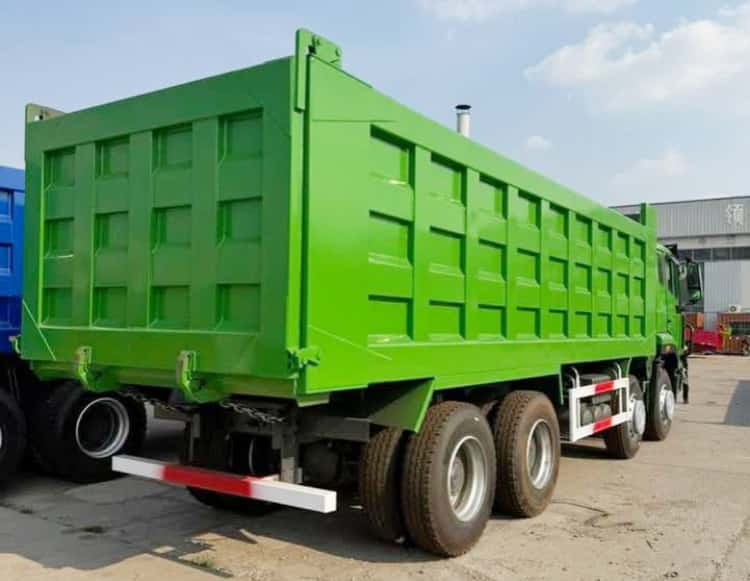
- Africa, Latin America, Southeast Asia: Strong demand for complete reman heavy trucks: Large‑scale infrastructure investment, fast‑growing logistics and mining activities plus limited budgets for new vehicles create huge demand for cost‑effective certified reman tractors and dump trucks. Import‑market regulations are being rapidly upgraded.
- Europe & North America: Market focuses more on reman components: Local fleets prefer remanufactured engines, gearboxes and axle assemblies for existing in‑service fleets. Complete‑vehicle reman trade is restrained by strict used‑vehicle import restrictions.
- Asia‑Pacific: Fast‑growing reman manufacturing base: China becomes a major global supply source for reman heavy‑duty assets, with expanding qualified remanufacturing capacity. India and ASEAN show rising local reman service capacity for domestic aging fleets.
Trend Seven: Main Industry Challenges Remain Despite Fast Growth
While the vehicle remanufacturing industry enjoys strong upward momentum in 2026, multiple bottlenecks still constrain healthy industrial expansion.
- Talent gap persists: The remanufacturing industry needs technicians capable of heavy‑vehicle full disassembly, precision machining, non‑destructive testing and reman quality audit; skilled‑workforce shortage restricts capacity expansion of many reman facilities.
- Core used‑part source control difficulty: Stable supply of high‑quality reusable core vehicle frames, powertrain assemblies remains a key constraint for scaled reman production.
- Global regulatory fragmentation: Import requirements vary widely country‑by‑country. There is still no globally‑unified reman certification system, raising compliance cost for cross‑border suppliers.
- Market misinformation risk still exists: Fake‑reman operators continue to mislabel simple refurbishment as genuine remanufactured assets, damaging overall market reputation.
Conclusion
2026 marks a turning‑point year for global heavy‑vehicle remanufacturing industry. Driven by standard unification, digital traceability adoption, TCO‑oriented fleet purchasing, ESG compliance requirements and booming emerging‑market demand, certified reman heavy assets are stepping out of the “cheap substitute” stereotype.
At the same time, the remanufacturing industry still faces challenges including fragmented global regulations, talent shortages and persistent fake‑reman market chaos. Enterprises that master standardized workflows, full‑asset traceability systems and cross‑border service capabilities will occupy the leading position in the coming growth cycle of heavy‑vehicle circular economy.