
How REMAN ROAD Drives Market Education for Verified Reman Vehicles?
Introduction
Many global fleet stakeholders still hold outdated assumptions about heavy duty reman vehicles. Some equate remanufacturing with used vehicle repair; others judge asset quality purely by purchase price or exterior appearance. These misconceptions lead to poor procurement decisions, unexpected downtime and wasted project budget.
Market education is not simple promotional content. It teaches buyers, remanufacturers and auditors how to identify verified reman vehicles, distinguish them from refurbished or overhauled units, and evaluate assets based on full lifecycle value. REMAN ROAD carries out this educational work by sharing open standards, real case data and objective verification methods, building a more mature and rational global reman market. This article explains how REMAN ROAD pushes this market education forward.
Correct Core Misconceptions With Standardized Definitions
The first step of market education is to fix confused terminology. REMAN ROAD widely publishes clear, quantifiable definitions for genuine remanufacturing, overhaul and refurbishment. It explains the differences in workflow scope, inspection requirements, performance benchmarks and usable lifecycle.
This educational effort dispels common myths:
- Remanufacturing is not cosmetic repainting or partial component replacement
- Overhaul only rebuilds selected assemblies and cannot reset the full vehicle service life
- Refurbished trucks only suit short-term, low-duty work and carry higher failure risk
By spreading these definitions, REMAN ROAD helps procurement, engineering and finance teams use the same technical language when drafting RFQs, evaluating bids and signing contracts. It eliminates disputes caused by inconsistent understanding of reman terminology.
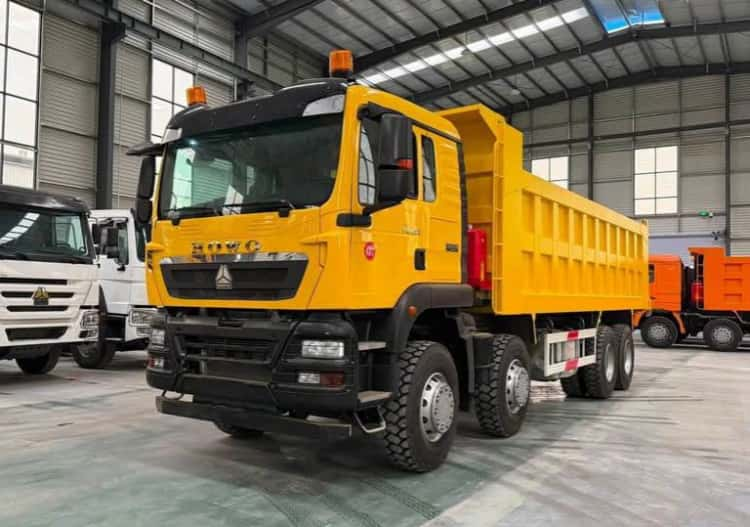
Teach Buyers How to Audit Verified Reman Vehicles
A key part of REMAN ROAD’s market education is practical verification training. Many fleet buyers do not know what documents and test records to request. They rely on visual inspection or seller promises, which cannot detect hidden structural fatigue.
REMAN ROAD shares public checklists for evaluating verified reman assets, teaching buyers to verify:
- Core screening results and rejection criteria for unqualified truck bases
- Full disassembly records and component grading logs
- NDT non-destructive test reports for frame, axle housing and crankshaft
- Dynamometer, brake and hydraulic bench test data
- Loaded road validation records and VIN-linked full technical dossier
This education transforms buyers from passive purchasers into professional auditors. They learn to validate quality via objective evidence instead of marketing claims.
Demonstrate TCO Logic Instead of Low-Price Thinking
A deep-rooted market habit is comparing assets only by upfront purchase cost. REMAN ROAD’s education guides fleet operators to shift focus from sticker price to total cost of ownership.
Through real project case studies, REMAN ROAD illustrates how cheap refurbished trucks create heavy hidden costs: emergency repair fees, site downtime losses and contract penalties. Meanwhile, REMAN ROAD verified reman vehicles deliver stable multi-year service, predictable maintenance schedules and better residual value.
This educational content helps finance teams build credible TCO models. It demonstrates that verified reman assets create superior economic value for mid-term mining and construction projects.
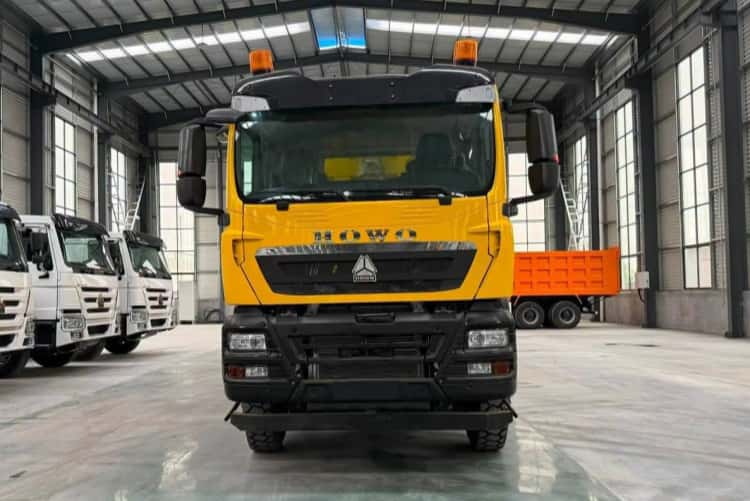
Share Field Case Evidence to Build Trust
Abstract standards are hard to accept without real-world proof. REMAN ROAD’s market education uses actual fleet operation cases across different regions and working conditions.
Case studies cover high-dust mining sites, rough off-road terrain, high-temperature and high-altitude projects. They share real operational data: uptime rate, maintenance frequency, fuel consumption and residual value after project completion.
These field records prove that verified reman vehicles can maintain near-new performance under harsh working environments. It breaks the prejudice that rebuilt vehicles cannot handle heavy-duty projects.
Educate Suppliers to Upgrade Production and Documentation Habits
Market education by REMAN ROAD targets not only buyers but also remanufacturers. Many small rebuild remanufacturers lack clear process standards. They are unaware of mandatory steps such as full disassembly and NDT inspection. REMAN ROAD shares its open standard framework to help remanufacturers understand what qualifies as verified reman vehicles.
Suppliers adopting the standard learn to generate complete traceable documentation, conduct systematic component renewal and perform full-system performance testing. This lifts the overall technical baseline of the whole industry and reduces low-quality products entering the market.
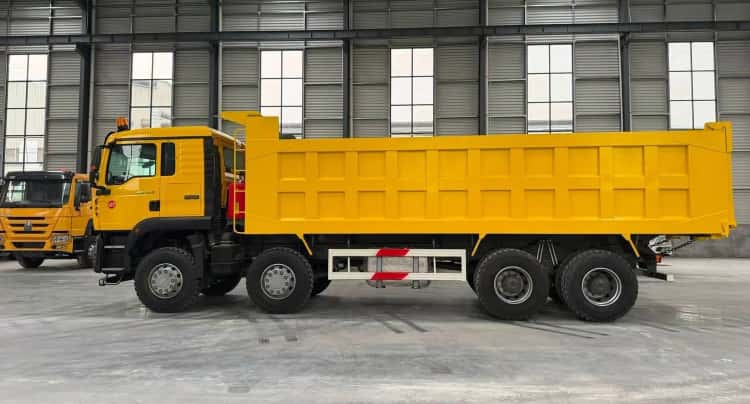
Build Industry Consensus Around Circular Economy Value
Beyond quality and TCO, REMAN ROAD’s market education also communicates the environmental value of verified reman assets. Industrial remanufacturing saves raw materials, cuts energy consumption and lowers carbon emissions compared with manufacturing brand-new heavy trucks. For global fleets with ESG reporting requirements, verified reman vehicles provide auditable sustainability evidence.
REMAN ROAD helps stakeholders understand that verified reman vehicles is a practical circular economy solution, not just a cost-saving alternative for used trucks.
The Long-Term Outcome of Market Education
With continuous market education, buyers can easily identify verified reman assets and separate them from low-grade rebuilds. Remanufacturers compete based on auditable quality and lifecycle value rather than low prices. The whole market gradually moves away from price-only competition. Verified reman vehicles gain wider acceptance in global mining, infrastructure and haulage fleets, accelerating the development of heavy vehicle circular economy.
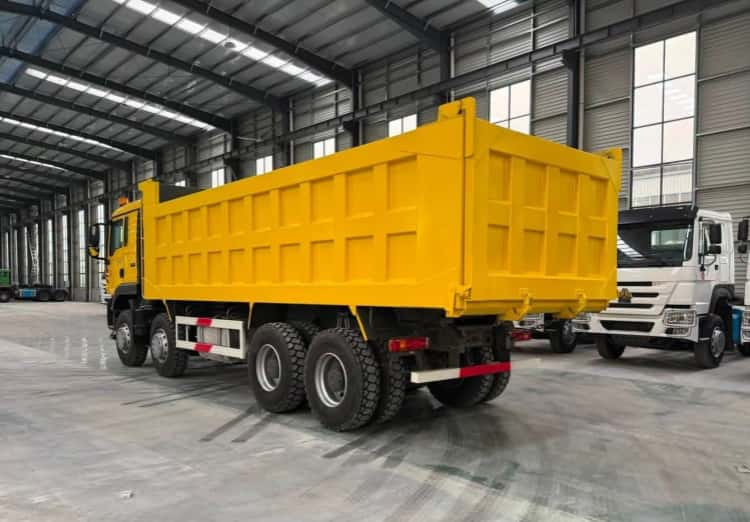
Conclusion
REMAN ROAD drives market education for verified reman vehicles by unifying definitions, teaching practical audit skills, popularizing TCO evaluation logic, sharing real field cases and guiding remanufacturers to upgrade their workflows.
This education removes long-standing industry misunderstandings, equips global fleet buyers with professional evaluation tools, and builds trust in verified reman assets. In the long run, it creates a healthier market where verified remanufacturing can demonstrate its true value in reliability, cost efficiency and sustainability.