
REMAN ROAD’s Perspective on Remanufacture Market Pain Points and Solutions
Introduction
The global heavy-duty vehicles remanufacture market carries enormous potential for fleet cost reduction and circular economy development. Yet widespread unstandardised practices continue to create distrust, inconsistent quality and unclear commercial rules across cross-border markets.
REMAN ROAD was built to identify these core industry pain points and deliver practical, open standard-based solutions for remanufacturers, fleet buyers and third-party auditors.
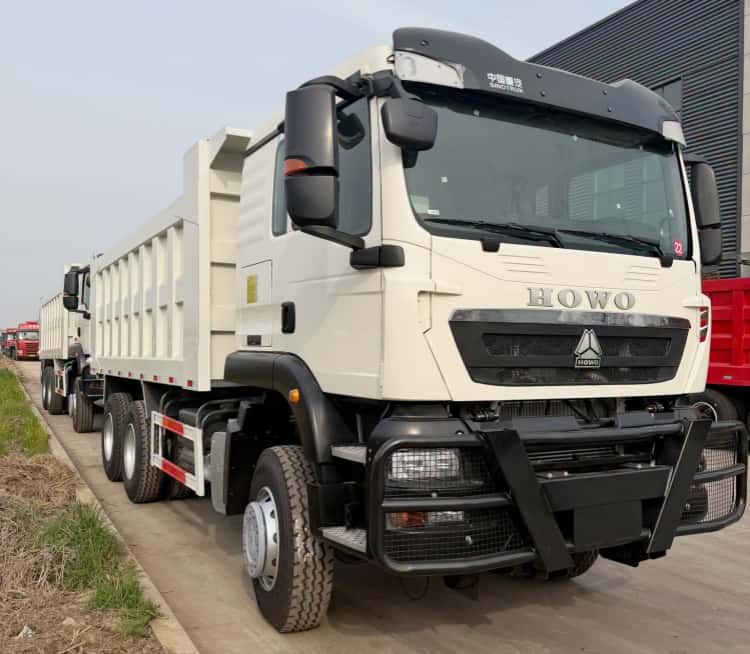
Core Pain Points in Today’s Remanufacture Market
Confused terminology and misleading labelling
The biggest foundational issue is the lack of universal definitions. Many sellers casually label overhauled, refurbished or cosmetically repaired trucks as “remanufactured”. Buyers cannot distinguish truly remanufacturing from surface touch-ups. This misrepresentation creates false price benchmarks and damages overall market credibility. A fleet may purchase a truck advertised asgenuine remanufactured trucks only to discover critical structural or engine components were not fully disassembled, inspected or tested.
Hidden quality variability and absent verifiable records
Used core assets vary wildly in original condition. Without unified inspection protocols, remanufacturers apply inconsistent acceptance criteria for incoming cores. Many operators skip NDT testing, fatigue assessment and full bench testing. Certificates are often self-issued with no independent verification. Fleet buyers cannot trace component history, test data or replaced parts, leaving them exposed to unexpected breakdowns and costly downtime.
Unpredictable core supply and reverse logistics bottlenecks
Remanufacturing relies on a steady stream of qualified used truck cores. In most regions, reverse collection networks remain fragmented. Core quality, quantity and delivery timelines are unstable. Brokers may inflate core prices, while many recovered vehicles suffer irreversible metal fatigue or frame damage and are unsuitable for full remanufacturing. This volatility makes production planning difficult and increases factory costs.
Information asymmetry between suppliers and international fleet buyers
Cross-border procurement amplifies information gaps. Fleet operators, especially those in emerging markets, lack a simple framework to audit remanufacturing workflows remotely. Suppliers may omit disclosing prior accident damage, modified frames or counterfeit replacement parts. Traditional procurement depends heavily on site visits, which raise transaction costs and slow down bulk purchasing decisions.
Weak warranty frameworks and unclear liability boundaries
Warranty terms differ drastically across vendors. Some suppliers offer short, limited warranties that exclude most critical failures. In many transactions, liability for hidden structural defects is ambiguous after shipment. Without standardised warranty clauses tied to industrial remanufacturing workflow, fleets carry most of the operational risk.
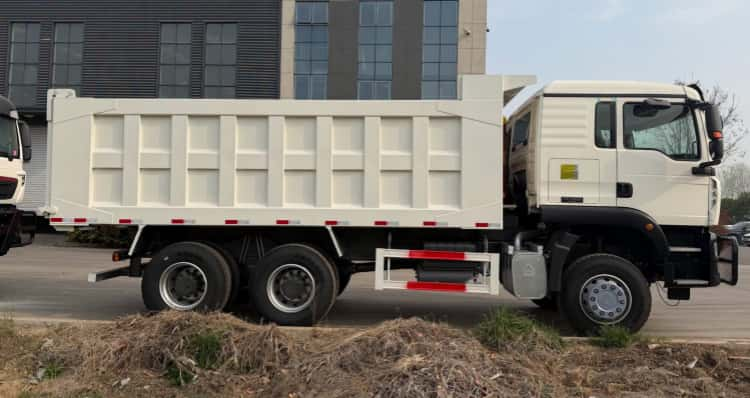
REMAN ROAD’s Targeted Solutions
Publish open, universal definitions to end terminology confusion
We defines genuine remanufacturing, refurbishment and overhaul clearly and publicly. These definitions are open for all industry participants to reference. The standard separates cosmetic repair from full remanufacturing, which requires complete disassembly, component sorting, replacement of all worn-out parts, non-destructive structural inspection and performance testing to near-new benchmarks. This shared language helps buyers compare offers on a level playing field.
Build traceable, auditable workflows and third-party verified certification
We establishes mandatory process checkpoints throughout the industrial remanufacturing workflow. Every eligible core undergoes documented NDT inspection, dimensional measurement and bench performance testing. All replaced components, test reports and assembly records are logged. Independent third-party auditors validate compliance, rather than relying purely on remanufacturers self-certification. The output is a certification report that fleet owners can review and verify remotely.
Create standardized core qualification rules to stabilise upstream supply
The standard sets clear acceptance criteria for heavy truck cores. It outlines disqualification rules for units with severe frame cracks, irreversible engine fatigue or crash damage. By standardising core screening, REMAN ROAD helps remanufacturers reduce wasted labour on unsuitable vehicles and improves forecast accuracy for production planning. It also supports the development of transparent reverse logistics networks for core recovery.
Deliver market education and unified procurement checklists for global fleets
We publishes free inspection guides, RFQ templates and buyer checklists. These resources help fleet teams evaluate genuine remanufactured trucks without deep technical expertise. The framework enables remote pre-audit of supplier workflows, reducing reliance on expensive on-site visits and lowering cross-border transaction risks.
Standardise warranty terms and liability rules tied to process compliance
REMAN ROAD aligns warranty coverage with completed industrial remanufacturing workflow. Vehicles that fully meet the standard’s process requirements qualify for predefined warranty scopes. Liability for defects is linked directly to which process steps were skipped or failed during audit. This removes vague warranty wording and gives fleet operators predictable risk protection.
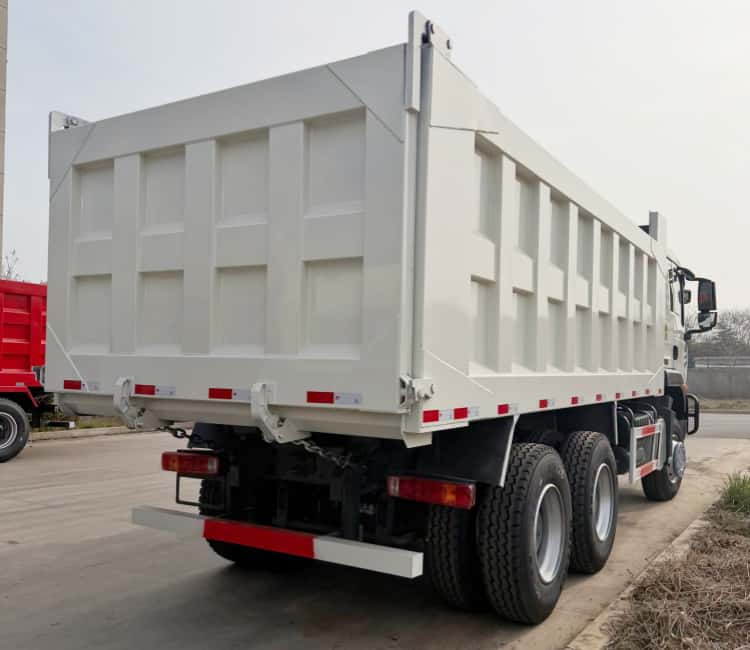
Conclusion
The remanufacture market’s biggest obstacles are not technical limitations, but inconsistent standards, blurred definitions and lack of trust. REMAN ROAD’s open standard does not replace remanufacturers’ internal quality systems. Instead, it provides a shared benchmark to align expectations for sellers and fleet buyers worldwide. By resolving these fundamental pain points, genuine remanufactured trucks can unlock their full economic and environmental value for global fleet operators.