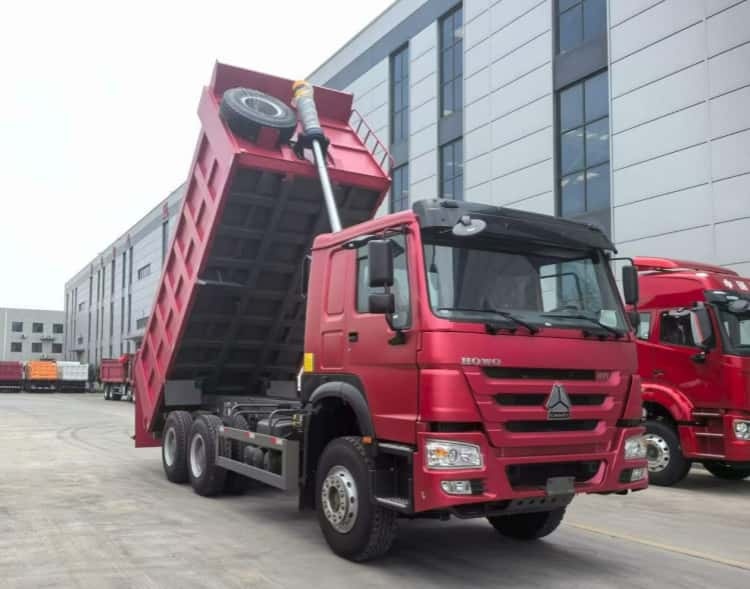
Why Reman Manufacturing Is Different From Ordinary Vehicle Repair?
Introduction
Many buyers confuse reman manufacturing with routine vehicle repair or breakdown maintenance, because both activities fix vehicle faults and restore running ability. However, they follow fundamentally different design objectives, technical depths, quality standards and commercial logic. Ordinary repair fixes specific faults to get the vehicle working temporarily.
Reman manufacturing resets the whole asset’s lifecycle back to near-new performance level through full disassembly, systematic renewal and standardized validation. This section clarifies the essential distinctions, helping fleet buyers avoid mixing up simple repair work with certified reman trucks.
Different Core Purposes: Fault Fixing vs Asset Life Reset
The biggest difference lies in the starting objective of the work.
- Ordinary vehicle repair: It is reactive and fault-oriented. Technicians only locate and fix one or several existing failures, such as replacing a broken water pump, repairing oil leakage or fixing a damaged brake pipe. The goal is to remove the current fault so the truck can keep operating. It does not touch other components that are still functional but approaching wear limits.
- Reman maufacturing: It is proactive and asset-oriented. The whole heavy truck is treated as a reusable core asset. The objective is to reset its usable lifecycle. All components are inspected comprehensively, worn parts are renewed, and the whole vehicle’s performance is restored to meet original factory specification, not just to fix known breakdowns.
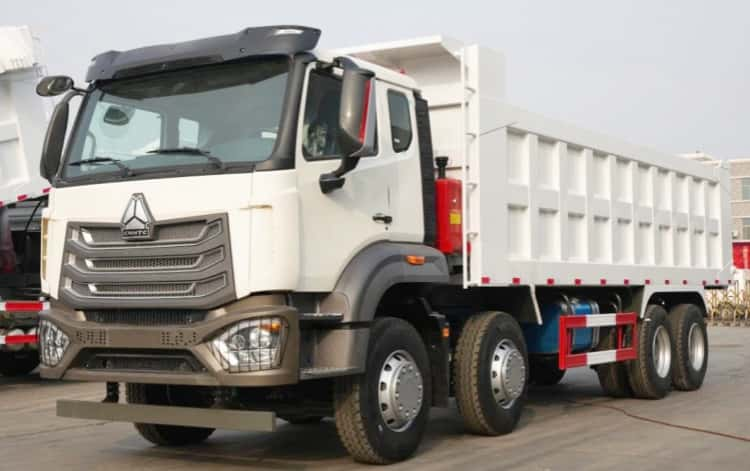
Different Workflow Depth: Partial Component Service vs Full Disassembly
Work scope directly separates the two technical models.
- Ordinary repair: Partial disassembly. Only the faulty assembly or local parts are taken apart. Most of the vehicle, including engine, gearbox, frame and axle assemblies, remain assembled. No full stripping of the whole powertrain or chassis.
- Reman maufacturing: Complete, systematic disassembly. The whole vehicle is fully stripped down to individual components. Every single part is cleaned, measured, inspected, classified, machined, replaced or scrapped according to unified standards. No critical assembly is skipped. This full teardown is the mandatory baseline requirement for genuine remanufacturing.
Different Component Judgment Rules: Fix Visible Faults vs Quantified Tolerance Screening
Repair and remanufacturing use totally different criteria to judge whether a part can stay in service.
- Ordinary repair: Judgement is mostly functional. If a part has no obvious fault and still works, it remains in use, even if it already has accumulated wear close to the failure threshold. No strict dimensional measurement or fatigue assessment is required for intact-looking components.
- Reman maufacturing: Judgement is based on quantified tolerance and material fatigue inspection. Parts are measured precisely. Even if a component still runs, once its wear exceeds the predefined limit, it will be machined or scrapped. Safety consumable parts such as bearings, seals, gaskets and rubber hoses are mandatorily replaced regardless of surface appearance. NDT non-destructive testing is applied to load-bearing structures to detect invisible fatigue cracks.
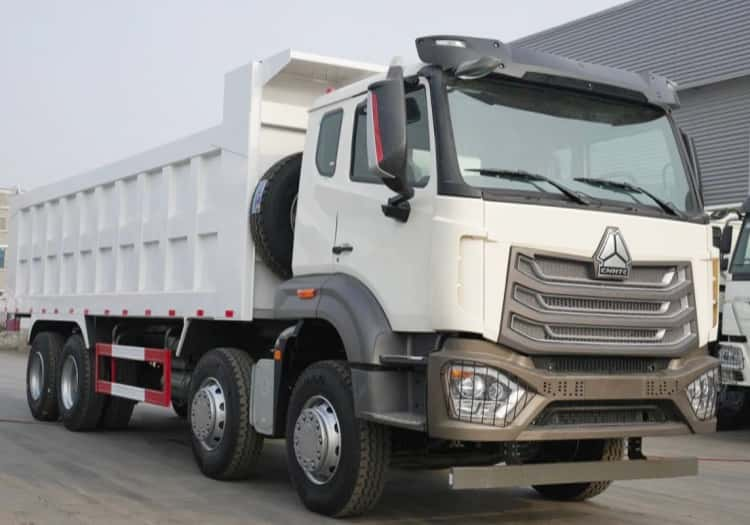
Different Performance Verification: Simple Functional Check vs Standardized Bench & Road Testing
The final validation methods reflect the gap in quality assurance.
- Ordinary repair: After fixing the fault, technicians carry out simple static check or short test drive to confirm the fault is gone. There is no requirement to restore power curve, torque, compression balance or other full performance indicators.
- Reman maufacturing: Every key subassembly must pass bench testing, and the finished certified reman trucks undergoes comprehensive loaded road testing. The reman asset must reach original-new performance benchmarks in power, torque, braking and sealing. Full test data is recorded and linked to the vehicle traceability ID.
Different Quality Standard & Repeatability: Case-by-Case Fix vs Industrial Standardized Production
Repair is customized for one-off faults; reman is industrialized manufacturing.
- Ordinary repair: Ad-hoc, case-by-case work. Solutions depend on the technician’s experience and the budget of the repair order. There is no unified fixed standard applied across every repair job. Two identical fault cases may get different repair outcomes.
- Reman maufacturing: Standardized industrial reman workflow. Every certified reman trucks follows the same set of written specifications, inspection thresholds and pass/fail rules. The reman workflow is auditable, repeatable and can be verified by third-party inspection. The output quality is controlled consistently batch by batch.
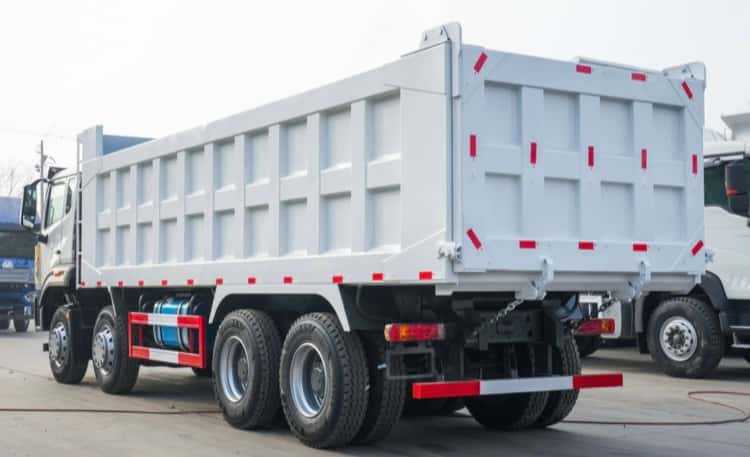
Different Lifecycle & Warranty Logic: Short-Term Fix vs Full Asset Guarantee
Warranty and asset value logic differ greatly for fleet management.
- Ordinary repair: Warranty only covers the repaired part or the fixed fault for a short period. It does not guarantee the overall reliability of the whole vehicle. Other old components may fail soon after the repair. It does not extend the overall service life of the whole truck.
- Reman maufacturing: The warranty covers the whole certified reman trucks. The whole vehicle gets a new lifecycle baseline. The fleet can plan multi-year operation based on the reman certification, and the certified reman trucks holds better residual value when resold, supported by complete traceability records.
Different Document & Traceability Requirements: Simple Repair Invoice vs Full Lifecycle Archive
Documentation reflects the transparency gap.
- Ordinary repair: Records are limited to repair orders, spare part invoices and simple service notes. No full workflow archive of disassembly, inspection and testing.
- Reman maufacturing: A complete digital traceability archive is created for the whole reman process, including core intake inspection, NDT reports, component measurement logs, bench test curves, finished certified reman trucks test records and certification documents. All data can be audited by buyers, third-party auditors and financial institutions.
Conclusion
Ordinary vehicle repair solves a specific breakdown and returns a truck to temporary operable state. Remanufacturing is an industrial asset regeneration process: full disassembly, component screening, precision machining, mandatory renewal of safety parts, standardized performance testing and full traceability.
For global fleet buyers, this distinction is critical. A truck that only received ordinary repair cannot be regarded as certified reman trucks. Purchasers must verify full disassembly records and standardized reman manufacturing test data to avoid buying repaired vehicles marketed as certified reman trucks.