
Why Verified Reman Trucks Minimises Liability Risk for Heavy Vehicle Operators?
Intro
Heavy haulage and construction fleet operators carry substantial, often underappreciated liability exposure. Accidents, roadside failures, non-compliance incidents or equipment-related injuries can trigger insurance claims, regulatory fines, contractual penalties, workplace safety investigations and costly legal action. The risk escalates sharply when fleets rely on informally rebuilt or unvetted used trucks, where hidden structural defects, substandard component replacements and missing inspection trails leave operators with little defensible evidence if something goes wrong.
REMAN ROAD verified reman trucks embed auditable safety validation, transparent lifecycle records and formal quality assurance into every unit. This robust paper trail and consistent engineering standard give operators a stronger defence, reduce the chance of failure-rooted incidents, and limit liability exposure across daily operations.
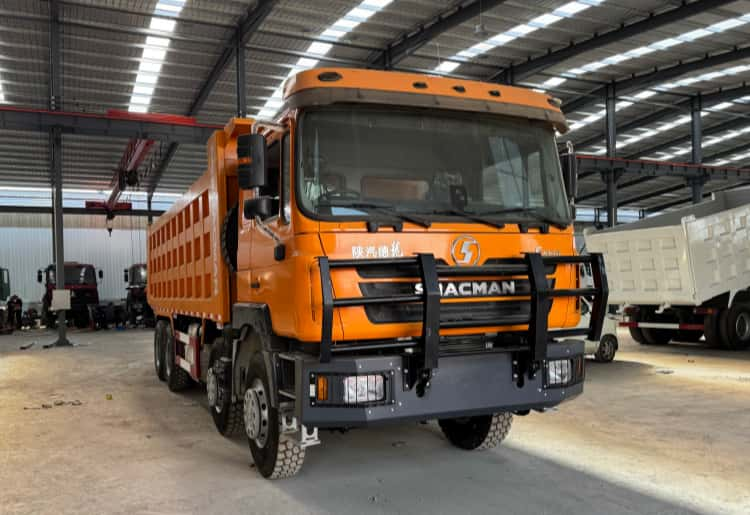
Independent third-party verification provides defensible proof of due diligence
Regulators, insurers and courts hold fleet operators responsible for ensuring roadworthy, safe equipment. Buying a truck without verified inspection records creates a major vulnerability: if a failure occurs, the operator may struggle to prove they took reasonable steps to assess vehicle condition.
REMAN ROAD verified reman standard third-party audit process produces signed, impartial reports covering frame NDT inspection, brake system validation, powertrain load testing and emission compliance. These documents serve as objective evidence that the operator fulfilled equipment safety due diligence requirements, which is critical for defending against negligence allegations following an incident.
Full traceability eliminates unknown modification and repair risks
A common liability trigger is undocumented, shoddy prior repairs or unapproved modifications. Poorly welded frames, mismatched axle components, improvised brake adjustments or non-compliant engine tweaks are invisible hazards. When these lead to crashes or breakdowns, operators are held accountable even if they did not perform the work.
Every REMAN ROAD verified reman trucks maintains a complete, immutable traceability file listing all disassembled parts, renewed components, test outcomes and rework activities. No unapproved modifications are permitted under the standard, so operators know exactly what is fitted to each vehicle and can rule out unrecorded dangerous alterations.
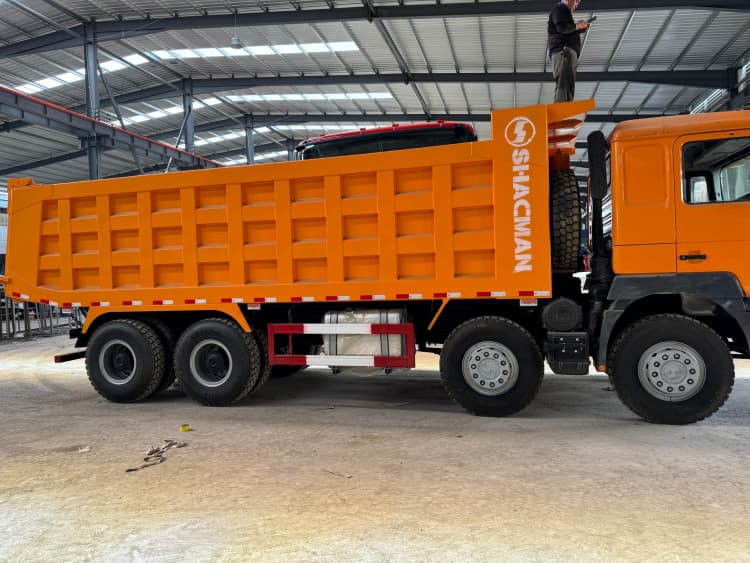
Standardised safety testing reduces the probability of failure-caused incidents
Liability is first and foremost reduced by preventing accidents from happening in the first place. Informal rebuilds frequently skip critical fatigue and load testing, prioritising cosmetic fixes over structural integrity.
REMAN ROAD verified reman standard mandatory testing regime targets high-risk failure points that most often lead to catastrophic events: chassis cracking, brake fade, transmission failure and steering degradation. By resetting wear cycles and validating performance against fixed safety thresholds, verified reman trucks lower the baseline risk of sudden, in-service breakdowns that can result in collisions, cargo loss or worksite injuries.
Clear warranty and accountability boundaries clarify responsibility chains
Liability disputes often become messy when it is unclear whether a fault stems from pre-existing asset condition, operator usage, poor maintenance or supplier workmanship.
REMAN ROAD verified reman standard documentation clearly defines warranty scope, covered failure modes, excluded misuse scenarios and recommended operating duty limits. If a covered defect emerges within the warranty window, responsibility sits with the remanufacturing and verification system rather than falling automatically on the fleet operator. This clear division helps operators avoid being unfairly assigned full blame for manufacturing or rebuild-related defects.
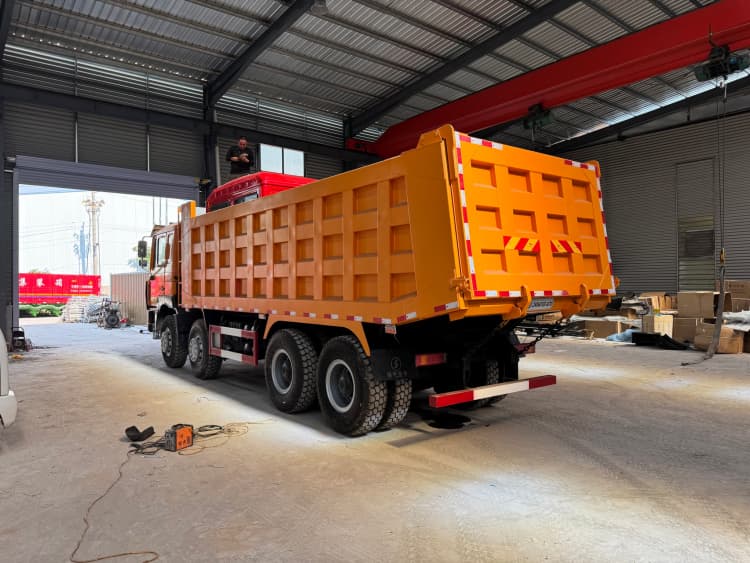
Aligned compliance records simplify insurance and regulatory reporting
Many heavy transport regulators require proof of vehicle fitness, and insurers increasingly review equipment quality standards when settling large claims or setting premium rates. Verified reman trucks come packaged with conformity statements aligned to local roadworthiness rules.
Consistent, organised compliance files make routine audits, roadside checks and incident reporting smoother. Operators avoid fines and sanctions that arise from incomplete or questionable vehicle paperwork, while insurers tend to recognise the lower risk profile, supporting more stable cover terms.
Closing
For heavy vehicle operators, liability risk is largely an information and proof problem. REMAN ROAD verified reman trucks do not eliminate all operational risk, but they replace the uncertainty of undocumented second-hand and casually rebuilt equipment with verifiable safety evidence. By proving due diligence, removing hidden modification hazards, reducing sudden component failures and drawing clear accountability lines, the verified reman standard protects operators from the severe financial and legal consequences tied to heavy vehicle safety incidents.