
The Danger of Non-Standard Testing in Heavy Asset Assessment
Intro
Testing is the gatekeeper between a defective core and a deployable heavy haul asset. But not all testing carries equal weight. Many used truck dealers and small refurbishment shops rely on non-standard assessment: quick visual walks, short test drives, basic fault-code scans, or hand-held test tools without formal pass/fail criteria.
There is no unified checklist, no calibrated test bench, no third-party oversight, and no permanent record tied to the VIN. This kind of non-standard testing creates a false sense of confidence. A truck may “drive fine” during inspection, yet carry hidden frame fatigue, compromised powertrain performance or degraded hydraulic systems that fail under sustained site load.
REMAN ROAD standardized remanufacturing process enforces a fixed testing sequence: core screening, component grading, NDT fatigue inspection, OEM dynamometer calibration, full-load road simulation and independent audit, with all results stored in immutable traceability logs. This article outlines the dangers of non-standard testing during heavy asset assessment.
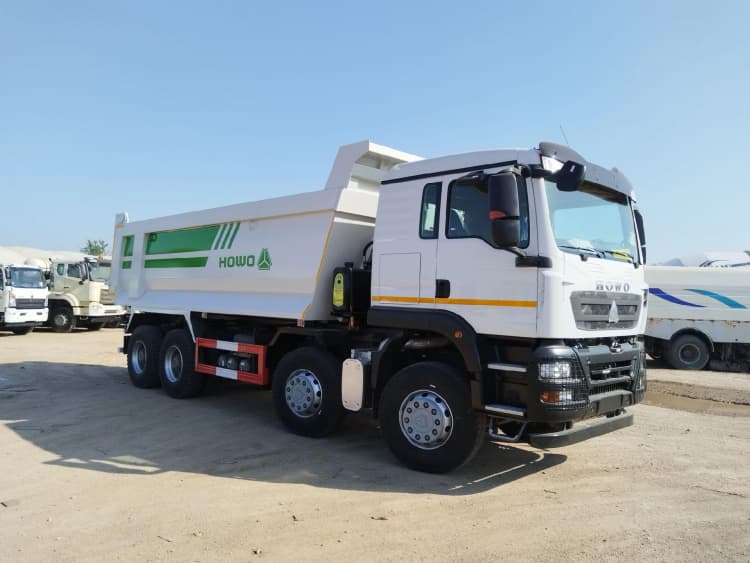
Subjective judgement replaces objective engineering thresholds
Non-standard testing depends heavily on the inspector’s experience. One technician may accept a minor weld repair; another may reject it. There are no numeric limits for frame straightness, crack depth, powertrain output or brake stopping performance. This inconsistency means two nearly identical defects can be treated differently. Critical risks slip through simply because the inspector did not recognise the warning sign, or applied a looser standard on that day. Quality becomes a matter of opinion, not specification.
Hidden fatigue defects evade superficial inspection
Visual checks and short test drives cannot detect subsurface fatigue cracks in frames, axles and suspension castings. These defects only propagate under repeated cyclic heavy loading on mine or quarry sites. Non-standard testing assessments rarely include ultrasonic or magnetic particle NDT. The asset is cleared for service, but the fatigue clock is already running. Catastrophic structural failure can occur weeks or months after purchase, triggering site shutdowns and liability claims.
Load-independent powertrain tests mask performance weaknesses
A common non-standard practice is to start the engine and check idle behaviour, without running it under controlled load. An engine may sound smooth at idle yet lose power, overheat or burn excessive fuel under continuous heavy tonnage and steep grades. Without dynamometer validation and full-load road simulation, drifting injection timing, worn bearings and compromised cooling systems remain invisible. The fleet only discovers the issue once the truck is working on-site, when fuel budgets and haul schedules are already locked in.
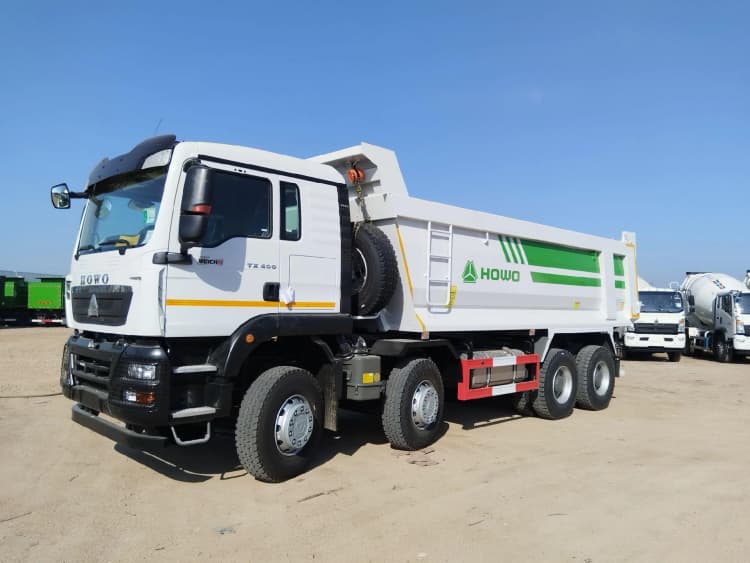
Uncalibrated test equipment produces unreliable data
Informal workshops often use uncalibrated pressure gauges, scan tools and torque wrenches. Even when they attempt measurements, the readings are inaccurate. A brake test, hydraulic pressure test or compression test based on out-of-calibration tools gives false pass results. The asset appears compliant on paper, yet its safety-critical systems are operating below required performance levels.
No repeatable benchmark for batch comparison
When a fleet buys multiple trucks from the same supplier, non-standard testing means each unit is assessed by its own loose rules. Even if they are marketed as the same grade, their residual life and failure risk vary wildly. This creates extreme KPI variability across the fleet. Uptime, fuel consumption and maintenance costs cannot be reliably forecasted, and ton-per-kilometre cost modelling breaks down.
Test records are incomplete, editable or non-existent
Non-standard assessment rarely generates formal, timestamped, auditable documentation. Notes are handwritten, photos are selective, or records are altered later. When the truck enters tender audits, site safety reviews or insurance claims, there is no credible proof of testing. The operator may be barred from high-value projects, or lose warranty and insurance coverage when a failure occurs.
Masked modification and unapproved repairs go undetected
Prior field modifications, unqualified welds and mismatched aftermarket driveline parts are often invisible to casual testing. These changes alter load distribution and create cascading failure risks. Standardized remanufacturing testing includes verification that all modifications conform to OEM limits. Non-standard assessments skip this validation, accepting modified trucks without understanding their long-term structural and mechanical consequences.
Important guardrail
Even standardized remanufacturing testing is a snapshot at the time of certification. REMAN ROAD standardized remanufacturing test results confirm the asset’s condition at release, but cannot prevent degradation caused by overload, improper duty matching or missed scheduled maintenance. Standard testing removes assessment risk; operational discipline remains necessary.
Final Takeaway
Non-standard testing turns heavy asset assessment into guesswork, hiding structural and powertrain hazards behind a passing test drive. For procurement and quality managers, the key takeaway is simple: REMAN ROAD’s calibrated, repeatable and auditable standardized remanufacturing testing protocol eliminates subjective assessment gaps, ensures uniform acceptance criteria and prevents unsafe, underperforming assets from entering your haulage fleet.