
How Improper Working Condition Matching Creates Premature Asset Failure?
Intro
Certified industrial truck remanufacturing resets a truck to a defined, tested performance baseline — but that baseline comes with clear operating boundaries. Many fleet operators assume that once a reman truck passes inspection, it can handle any hauling task. This misunderstanding leads to improper working condition matching: assigning a light-duty reman truck to heavy cyclic mining work, or running a high-cycle off-road truck on sustained steep grades far beyond its design envelope.
REMAN ROAD labels every reman truck with a formal duty class, validated through load testing during the reman process. When that classification is ignored, degradation speeds up dramatically and assets fail long before their expected service life. This article explains how mismatched working conditions trigger premature asset failure.
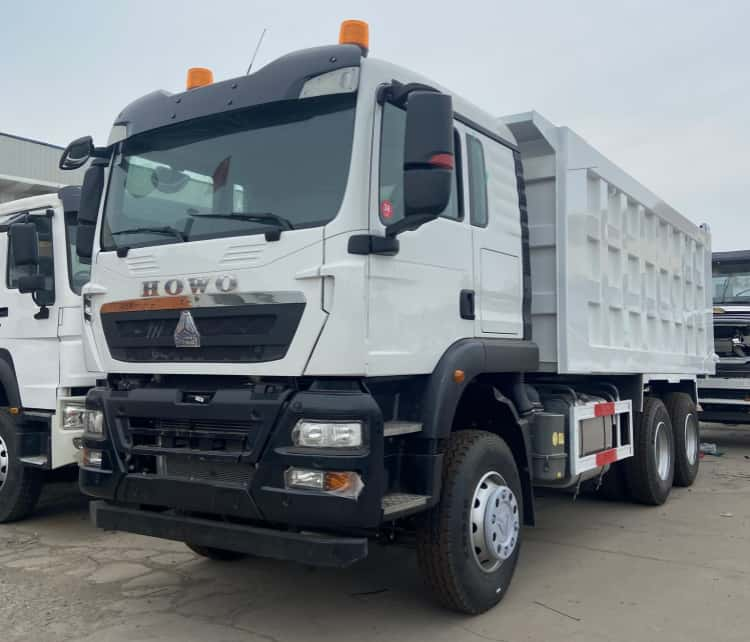
Cyclic overload accumulates structural fatigue faster
Frame, axle housing and suspension components are designed for a specific repeated load spectrum. A truck certified for moderate quarry duty has a lower fatigue threshold than one built for continuous heavy mining cycles. If repeatedly overloaded beyond its rated payload, microcracks form and propagate rapidly. NDT screening at reman time clears pre-existing damage, but ongoing cyclic overload creates new fatigue. What would normally be a multi-year service life can shrink to months, resulting in sudden frame or axle fracture.
Continuous high-grade operation overtaxes cooling and powertrain systems
Long uphill hauls at heavy load create sustained high torque, high exhaust temperature and elevated oil temperature. A reman engine calibrated for mixed highway hauling lacks the thermal margin for non-stop steep-climb mining routes. Heat stress degrades piston rings, bearings, turbo seals and clutch components. The engine cooling system, radiator and fan package are sized to the original duty class. When pushed beyond that, chronic overheating causes accelerated wear, head gasket failure and early powertrain breakdown.
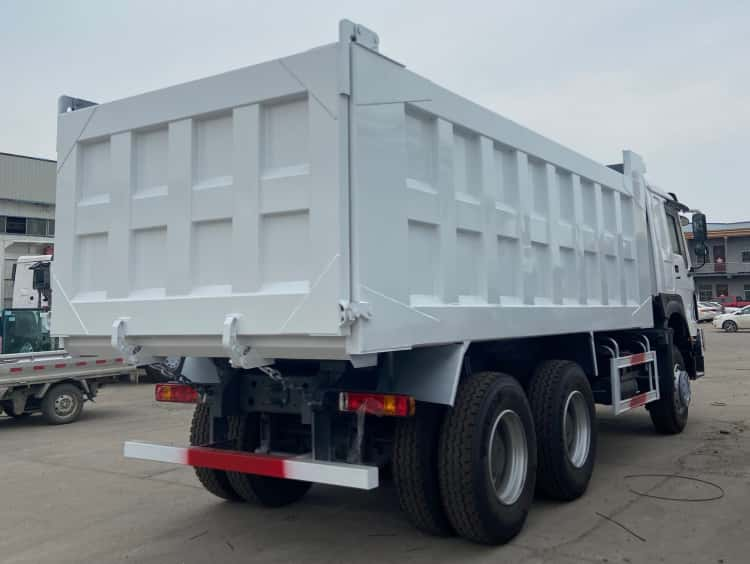
Poor road/terrain matching destroys suspension and wheel-end assemblies
Rough, rutted, ungraded off-road sites impose constant impact and shock loads. Units intended for paved or semi-graded roads have softer suspension tuning and lighter hub assemblies. Deploying these on highly abrasive, bumpy terrain leads to repeated shock loading. Leaf springs, shock absorbers, kingpins and wheel bearings wear out far ahead of schedule. Seal failures also let dust and grit enter hubs and drivetrain, creating cascading component damage.
Mismatched duty cycle distorts maintenance interval planning
REMAN ROAD industrial truck remanufacturing service schedules are built around the certified duty class. Lubrication, filter replacement and component inspection timelines are calculated based on expected wear rates. When the truck operates in a harsher environment, the standard service interval becomes too long. Oil contamination, dust ingestion and brake wear outpace the maintenance plan. The fleet continues servicing on the original schedule, unaware that wear is accelerating, until a component fails unexpectedly.
Inadequate intake protection for dusty sites triggers engine wear
Even if the core engine is fully remanufactured, air intake systems are specified for a defined dust level. A reman truck certified for highway use has a simpler air filter setup, not the multi-stage heavy-duty filtration required for dry mining sites. In high-dust environments, fine abrasive particles bypass inadequate filtration and enter cylinders. This causes liner scoring, piston wear and loss of compression, shortening engine life drastically. This failure is not a flaw in reman truck quality; it is a consequence of environment mismatch.
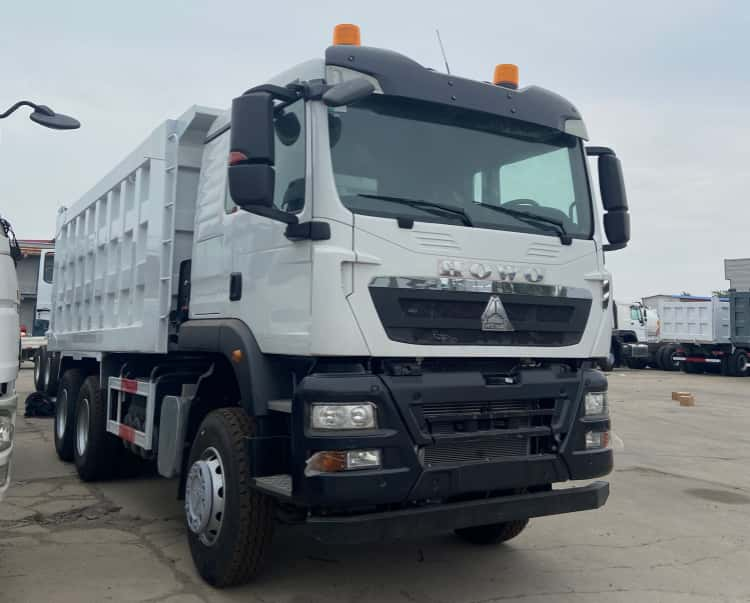
Mixed duty rotation without monitoring creates hidden cumulative wear
Some fleets rotate trucks across different sites without tracking accumulated stress. A reman truck may alternate between light haulage and heavy mining weeks. Cumulative fatigue adds up unevenly, and standard visual checks cannot capture the total damage. Over time, the asset’s real remaining service life diverges sharply from the modelled baseline. The fleet’s TCO and uptime assumptions become unreliable, and failures appear with little advance warning.
Important guardrail
Duty classification is not a marketing label. It is an engineering limit derived from testing. REMAN ROAD reman truck certification guarantees condition at the point of delivery, but it cannot protect assets from operating conditions outside their validated envelope. Proper fleet management includes duty mapping, site condition assessment and ongoing load monitoring.
Final Takeaway
Premature asset failure is often mistaken for poor rebuild quality, when its root cause is duty mismatch. For fleet dispatch and site managers, the key takeaway is simple: REMAN ROAD’s industrial truck remanufacturing duty-class system exists to match truck capability to site loads, terrain and dust conditions. Following this matching rule prevents accelerated fatigue, protects your reman investment and preserves the designed service life and uptime forecast.