How Reliable Remanufacturing Reduces Raw Material and Energy Consumption?
Introduction
Traditional heavy-duty truck manufacturing is one of the most resource-intensive industrial processes. Producing a brand-new truck requires massive volumes of virgin steel, alloy metals, rubber, and chemical materials, paired with high energy consumption for mining, smelting, forging, and full assembly.
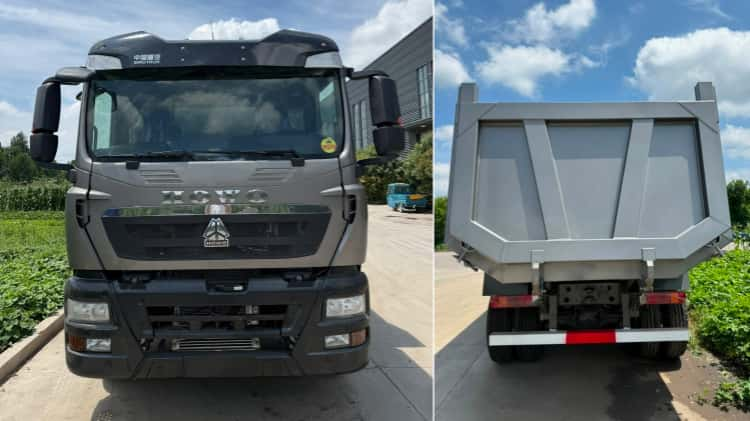
In contrast, reliable remanufacturing rebuilds pre-owned heavy vehicles to OEM-level performance by reusing qualified core structures and renewing only worn components. This circular manufacturing model fundamentally eliminates the most resource-wasting stages of new vehicle production.
As global energy costs rise and ESG compliance becomes mandatory for logistics, mining, and construction fleets, genuine remanufacturing has become the most practical, data-proven solution to reduce raw material waste and excessive energy consumption in the heavy transport industry.
Reliable Remanufacturing Eliminates Virgin Raw Material Waste at the Source
New truck production relies entirely on virgin mineral resources, while genuine remanufacturing preserves over 80% of the original vehicle’s structural materials, avoiding repeated resource exploitation.
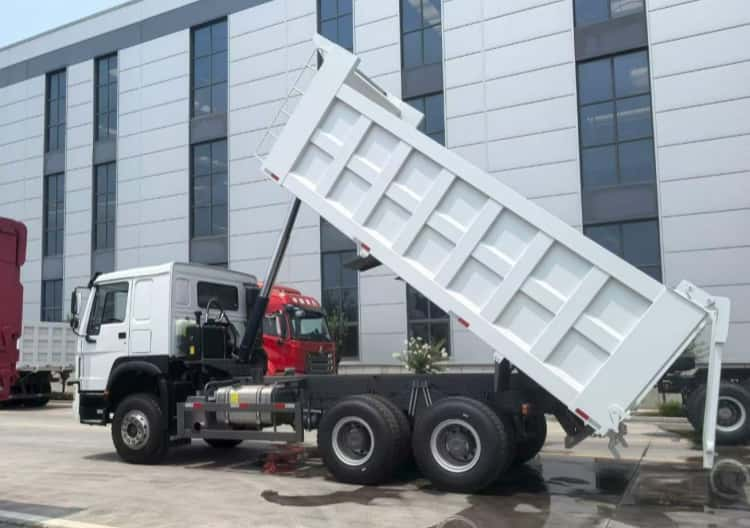
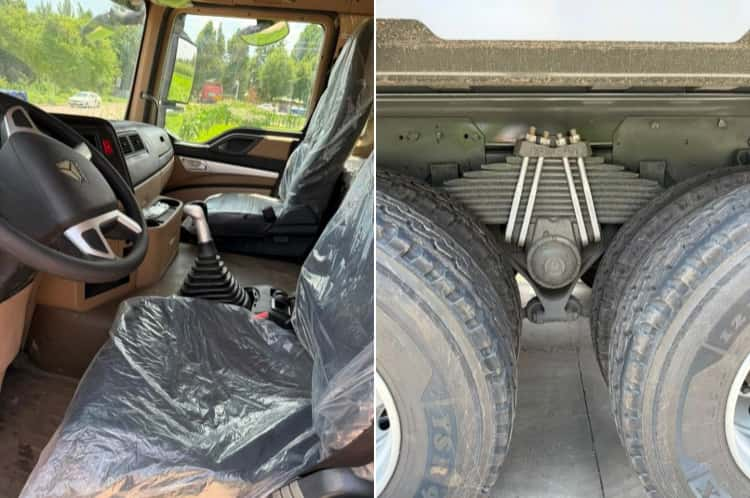
A complete heavy-duty truck consists of thousands of metal components, including high-strength steel frames, engine blocks, gearbox housings, and axle castings. Manufacturing these parts from scratch requires large-scale iron ore mining, alloy refining, and metal casting. According to industrial reman data, genuine remanufacturing saves 75%–85% of raw materials compared to manufacturing an equivalent new heavy vehicle. Unlike ordinary vehicle recycling that melts down all metal into raw materials again, reliable remanufacturing retains high-value finished castings and structural frames that still meet OEM tolerance standards.
Only worn bearings, seals, gaskets, and aging consumable parts are replaced during reman processing. This means the majority of the original vehicle’s metal structure avoids being re-mined, re-smelted, or re-fabricated. For fleet operators, choosing reman trucks directly reduces the global demand for virgin industrial materials, lowering resource depletion pressure in the heavy machinery manufacturing industry.
Avoids the Most Energy-Intensive Stages of New Vehicle Production
The highest energy consumption in truck manufacturing occurs in mineral processing and metal forging — two stages completely skipped by reliable remanufacturing.
The full lifecycle energy consumption of a new heavy truck mainly comes from upstream industrial links: ore extraction, transportation, high-temperature smelting, metal rolling, and component forging. These thermal and metallurgical processes consume enormous electricity and fossil fuel energy. Statistics show that industrial genuine remanufacturing reduces overall energy consumption by 60%–80% compared with new vehicle manufacturing. For key core parts such as crankshafts and engine casings, reliable remanufacturing can reduce carbon and energy footprints by up to 61%–66%.
Genuine remanufacturing only focuses on precision disassembly, cleaning, component renewal, reassembly, and performance calibration. It completely removes the high-energy industrial links of raw material production. Every reman trucks avoids thousands of kilowatt-hours of invalid industrial energy consumption, forming significant energy-saving advantages in batch fleet procurement.
Reduces Secondary Processing Waste and Repeat Manufacturing Loss
New component production inevitably generates processing scrap and defective products, while remanufacturing achieves ultra-high material utilization through targeted component renewal.
In traditional manufacturing, metal cutting, precision machining, and thermal processing produce large amounts of scrap steel and defective parts. The material utilization rate of new heavy truck component production is limited, and unqualified parts are directly scrapped, causing double waste of materials and energy. In contrast, standardized reliable remanufacturing adopts component-level screening and classified reuse: qualified structural parts continue to be used, slightly worn parts are precisely repaired, and only severely fatigued parts are eliminated.
This refined classification mechanism increases the comprehensive material utilization rate of old heavy vehicles to more than 80%. It avoids the repeated manufacturing losses caused by batch production of new parts, further optimizing resource and energy efficiency in the heavy vehicle industry chain.
Lowers Logistics and Industrial Chain Energy Consumption
Reliable remanufacturing shortens the industrial chain and reduces cross-regional raw material transportation energy consumption.
New heavy truck manufacturing requires raw material transportation, component factory transfer, and finished vehicle distribution, forming a long-distance, high-energy logistics chain. Virgin ore and alloy materials need to be transported across regions for smelting and processing, consuming massive fuel and logistics energy. Remanufacturing uses local stock of end-of-life heavy vehicles as raw materials, greatly shortening the industrial supply chain.
By reducing multiple rounds of raw material and semi-finished product transportation, reliable remanufacturing effectively cuts indirect energy consumption in the manufacturing link. For global heavy truck trade, reman trucks also feature shorter delivery cycles and lower carbon logistics costs, bringing dual energy-saving benefits of production and transportation.
Fundamental Differences Between Remanufacturing, Refurbishment and Recycling in Resource Utilization
Only reliable remanufacturing can maximize resource and energy efficiency; simple refurbishment and traditional recycling cannot achieve optimal energy conservation.
Many market participants confuse refurbishment and metal recycling with reliable remanufacturing, but their resource utilization efficiency varies greatly. Simple refurbishment only repairs surface faults and replaces individual broken parts, failing to activate the residual value of most components. Traditional vehicle recycling melts all metal structures into raw materials again, which requires secondary smelting and reprocessing, resulting in huge energy loss.
Genuine remanufacturing strikes the best balance: it retains high-value structural components that still meet factory standards, eliminates invalid energy consumption of remelting and re-forging, and only renews worn parts. This is why genuine remanufacturing is recognized globally as the most energy-efficient and material-saving circular model for end-of-life heavy vehicles.
Long-Term Industrial Value: Scalable Energy and Material Savings for Global Fleets
Large-scale adoption of remanufactured trucks forms continuous cumulative resource-saving effects, helping global fleets meet ESG and carbon reduction targets.
For single vehicles, reliable remanufacturing saves massive raw materials and energy; for fleet-scale operations, the environmental advantages multiply exponentially. A large number of remanufactured trucks put into operation can effectively reduce the industry’s dependence on new vehicle capacity, slow down the growth of industrial energy consumption, and lower scope 3 carbon emissions for logistics and engineering enterprises.
Moreover, reliable remanufacturing extends the service life of mature and reliable heavy-duty vehicle platforms, avoiding resource waste caused by frequent model iteration and large-scale equipment replacement. It provides global fleet owners with a stable, low-carbon, and cost-effective asset upgrading solution.
Conclusion
Genuine remanufacturing is not merely a cost-saving business model, but a core industrial method to reduce raw material depletion and excessive energy consumption. By retaining high-value original vehicle structures, skipping high-energy smelting and forging processes, optimizing component reuse efficiency, and shortening industrial chains, remanufacturing achieves 75%+ raw material savings and 60%+ energy reduction compared with new vehicle production. For modern global transport fleets, choosing certified reman trucks means lower operating costs, lower carbon footprints, and more sustainable long-term asset development.