
The Origin and Evolution of Industrial Remanufacture Concept
Introduction
Many people treat remanufacturing as a simple “second-hand repair” technique. In reality, the industrial remanufacture concept grew from practical wartime component recovery, gradually developed into standardized mass production, and finally merged with circular economy and ESG frameworks. This article tracks its origin, key development stages and modern definition, to distinguish industrial remanufacture from traditional overhaul and refurbishment.
Origin: Wartime Component Reuse (1930s–1940s)
The earliest industrial-scale remanufacturing practice emerged during World War II.
- Mass military equipment (trucks, tanks, aircraft engines) faced severe raw material and manufacturing capacity shortages. Factories had to recover worn core components, rebuild them and return to service quickly.
- The core idea at that time: salvage high-value metal substrates, restore function, and reuse components to save steel, alloy and production capacity.
- At this stage, reman was a practical emergency production method, without unified terminology or formal performance standards.
It was not yet a commercial industry, but proved that rebuilt heavy components could deliver reliable performance.
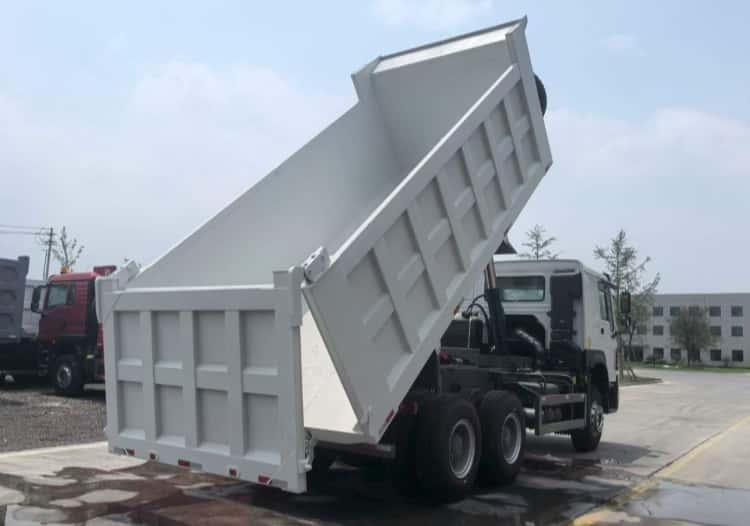
Commercialisation Phase: Post-War Automotive & Heavy Machinery Industry (1950s–1980s)
After the war, reman technology transferred to civilian heavy industry.
- OEMs for engines, transmissions and heavy vehicle parts started in-house reman programs. They rebuilt cores to OEM specs and sold reman components as official spare parts.
- The core difference from general repair: reman used controlled machining, fixed tolerances and batch testing instead of one-off manual fixes.
- Limitation in this era: Reman was mostly limited to individual components (engine, pump, axle).
Full-vehicle remanufacturing for heavy trucks was rare. The concept was still viewed as a spare parts business rather than asset lifecycle management.
Standardisation Phase: Formal Definition & ISO Standards (1990s–2010s)
Academia and international standards organisations gave reman an official, clear definition, separating it from overhaul and refurbishment.
- Core definition: Reman is an industrial process whereby used products (cores) are restored to a like-new or near-new condition, with performance meeting defined benchmarks.
- ISO 10987 series was developed specifically for industrial remanufacture of heavy machinery and heavy vehicles. It set rules for core screening, disassembly, inspection, NDT, component replacement, testing and documentation.
- Key milestone: The industry agreed on the critical boundary — reman must reset the product’s service life, not merely patch faults.
- Heavy truck industrial remanufacture began to grow: full vehicle remanufacturing workflows appeared, especially in Asia, Europe and North America.
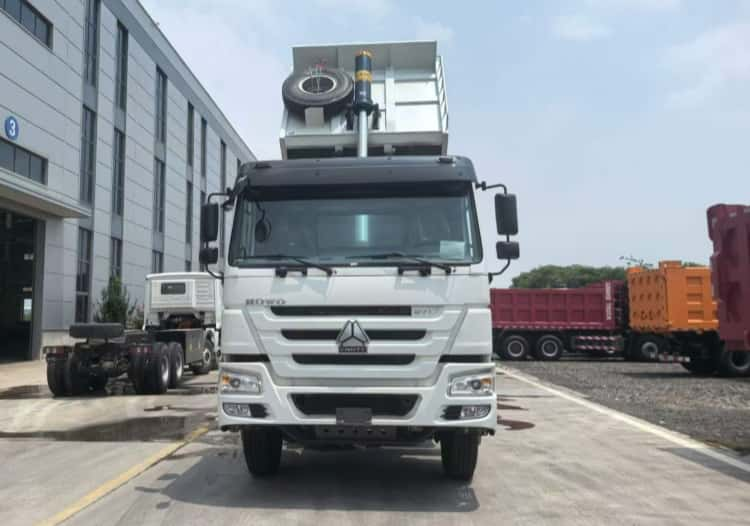
Circular Economy & Global Fleet Adoption Phase (2010–Present)
The industrial remanufacture concept expanded beyond manufacturing technology and became a core pillar of circular economy.
- Governments released carbon reduction and waste reduction policies, recognising reman as a way to cut embodied carbon and raw material consumption.
- Fleet operators started evaluating certified reman asset via full lifecycle TCO analysis, not only upfront purchase price. Certified reman asset became a mainstream option for mid-term construction, mining and infrastructure fleets.
- Digital traceability was integrated into industrial remanufacture workflow. Each core asset’s inspection, repair and test records are bound to unique asset IDs or VINs, solving the historic trust crisis in the reman market.
- Global market segmentation formed: premium OEM reman, independent industrial remanufacture (including Chinese heavy truck reman for emerging markets), and low-grade refurbishment that falsely uses the reman label.
Core Evolution of the Concept (Key Shift)
- From emergency wartime material-saving solution → commercial spare parts business
- From manual component repair → standardized industrial production with quantified performance benchmarks
- From “cheap replacement parts” → circular asset lifecycle management tool
- From local workshop operation → global ecosystem with cross-border certification, traceability and fleet procurement
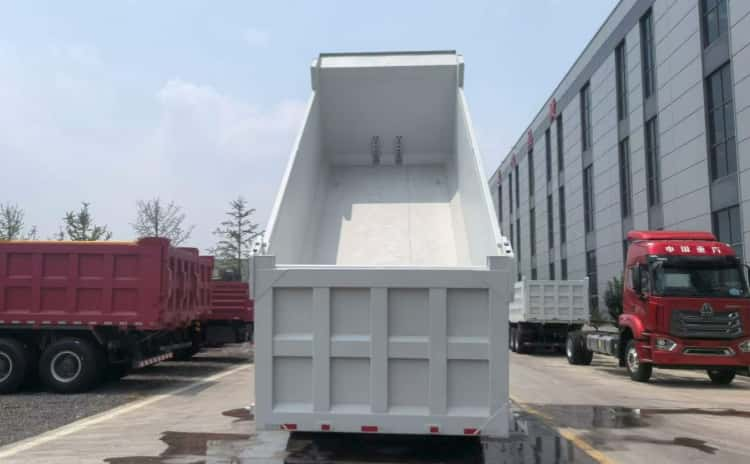
Critical Distinction That Stabilised The Modern Reman Concept
The modern industrial remanufacture concept has three non-negotiable characteristics, which did not exist in early simple repair:
- Full disassembly and systematic core screening, reject cores with irreparable structural damage
- Replace all fatigue-limited consumables, inspect hidden fatigue damage via NDT
- Verify final performance against OEM benchmarks with bench/road testing, and keep traceable documentation
Future Direction of the Concept
The industrial remanufacture concept continues evolving:
- Digital twin and AI inspection for core fatigue assessment
- Unified global reman standards for cross-border asset trade
- Tighter ESG and carbon accounting for reman assets
- Wider acceptance of certified full heavy vehicle remanufacturing in emerging markets such as Africa and Southeast Asia
Conclusion
The industrial remanufacture concept originated from wartime resource scarcity, matured through decades of automotive and heavy machinery commercial practice, and was formalised by international standards.
Today it serves as a circular economy solution, not just a repair method. For heavy-duty truck fleets, modern reman is a structured industrial workflow that resets asset reliability, balances CAPEX and reduces carbon footprint.