
How Third-Party Audits Validate Heavy Remanufactured Vehicle Quality?
Introduction
Internal workshop checks are necessary, but self-reported quality records alone cannot fully build trust with global fleet buyers. Third-party audits bring an independent, neutral perspective. Rooted in the whole-vehicle principle of REMAN ROAD, audits do not merely spot-check individual parts. They verify whether the complete heavy remanufactured vehicle, and the reman process that produced it, meet the defined standard for lifecycle reset.
Auditors verify compliance with the full vehicle-level workflow
A third-party audit starts by reviewing the end-to-end reman process, centred on the truck as an integrated asset. Auditors cross-check whether the vehicle passed intake eligibility screening, structural assessment including NDT inspection, full-system disassembly, unified component grading, mandatory wear-part replacement, calibrated reassembly and final whole-vehicle testing. They confirm no critical gate was skipped. It is not enough that the truck runs; the audit confirms it was produced following the required vehicle-centred sequence.
They validate structural safety evidence for frame and cab
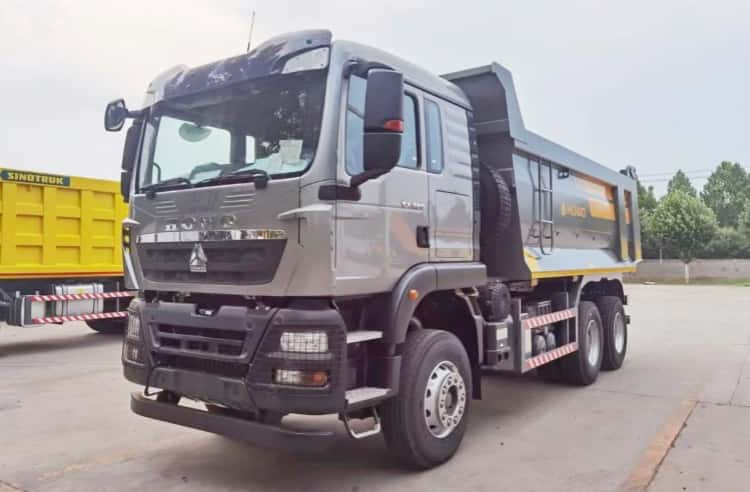
Structural integrity is the core safety baseline of any heavy remanufactured vehicle. Auditors pull and examine NDT reports, dimensional measurement records and historical damage reviews tied to the specific chassis. They verify that frame and cab assessment was completed before restoration, and that any structural rework was re-tested and approved. This independent review catches gaps such as undocumented structural repairs or incomplete inspection records that internal teams might overlook.
They inspect whole-vehicle test records and acceptance criteria
Finished heavy remanufactured vehicles must pass integrated validation, not just component bench tests. Auditors review static inspection, dynamometer and loaded road test data. They check that braking, powertrain output, thermal balance, electronic communication and system coordination were assessed for the complete vehicle. If test results only cover separate assemblies and lack full-vehicle performance evidence, the audit flags non-compliance. This ensures the truck is balanced as one cohesive asset before delivery.
Traceability systems and document chains are independently verified
Every certified heavy remanufactured vehicles relies on a continuous traceability record linked to its chassis ID. Third-party auditors sample vehicle files to confirm inspection logs, replacement lists, calibration sheets and test certificates are complete, consistent and match the physical truck. They check whether records can be tracked from intake all the way through to final handover and warranty issuance. Weak or fragmented documentation means the asset cannot prove it achieved a genuine lifecycle reset.
Auditors confirm the boundary between certified reman and lower-grade work
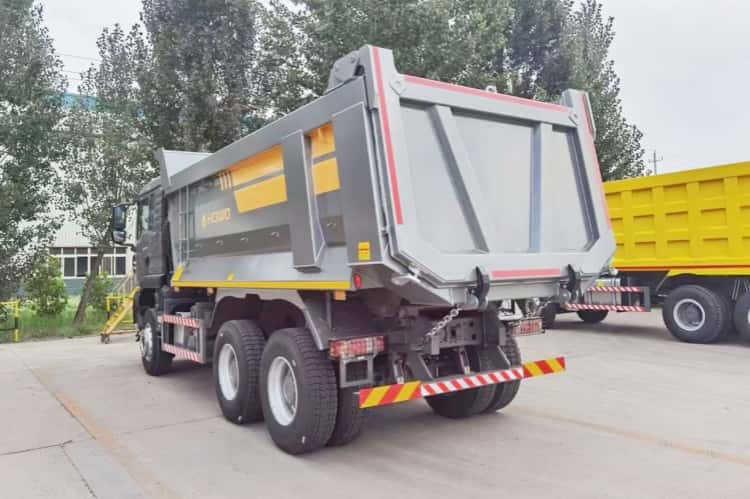
One key audit objective is to stop mislabelling in the market. Auditors compare the actual work performed against the standard definition of whole-vehicle reman. They identify cases where overhauled, refurbished or informally rebuilt trucks are marketed as certified heavy remanufactured vehicles. By enforcing clear vehicle-level requirements, audits help suppliers and fleets use consistent terminology and avoid procurement misunderstandings.
They create neutral proof for fleets, financiers and ESG reporting
Fleet buyers, cross-border operators and ESG verifiers need objective proof of quality and compliance. An independent audit report acts as impartial evidence. It shows the heavy remanufactured vehicle meets recognised standards, supports warranty credibility, simplifies supplier qualification and provides supporting data for circular economy and carbon reduction reporting. This neutral validation is especially valuable for long-term fleet TCO planning and large-volume procurement.
REMAN ROAD’s framework for third-party audits
REMAN ROAD defines the vehicle-centred audit criteria. It sets out which process gates, test requirements and traceability items are mandatory for auditors to evaluate. Auditors use this unified checklist rather than inconsistent custom rules, so audit outcomes are comparable across different reman production facilities worldwide.
Closing Summary
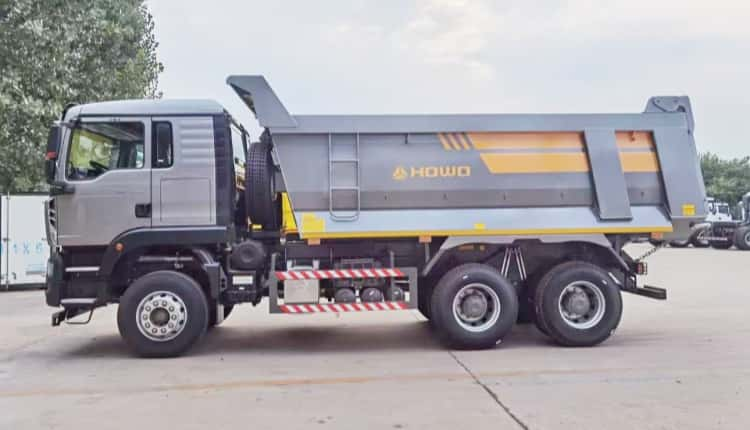
Third-party audits validate heavy remanufactured vehicles quality through independent review of the full vehicle workflow, structural safety evidence, whole-vehicle test performance and complete traceability documentation. They offer neutral verification that a truck has completed genuine lifecycle reset under standardised rules, separate from self-claims by the workshop. This independent oversight stabilises market quality and builds reliable trust for fleet buyers.
One Comment