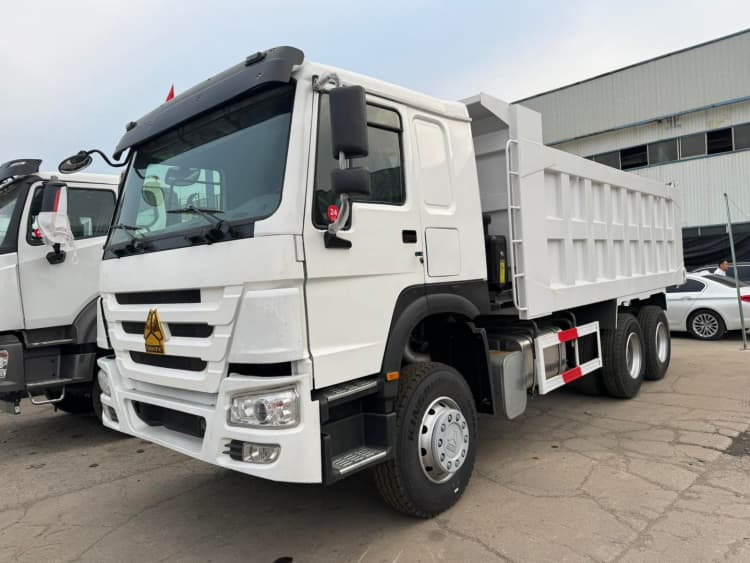
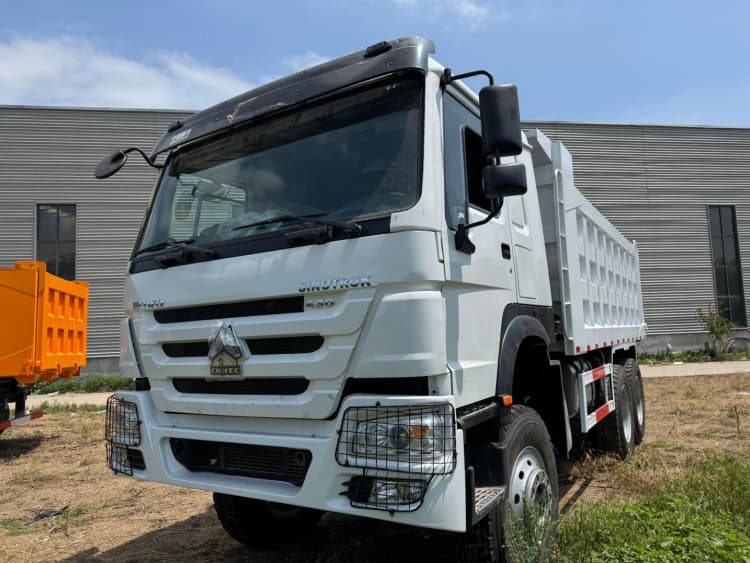
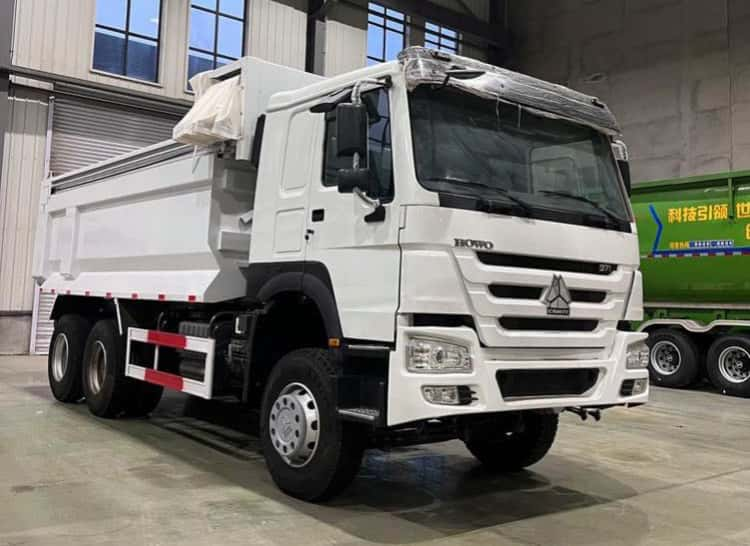
Quality Assurance for Reman Engine, Chassis and Hydraulic Systems
Introduction
For standardized reman trucks, reliability depends on three core assemblies: engine, chassis and hydraulic systems. Defects in any one of these systems will trigger heavy-load downtime, safety hazards and financial losses for project fleets. Unlike simple overhaul or cosmetic refurbishment, standardized reman QA treats each assembly as an independent manufacturing unit.
Every component goes through incoming screening, full disassembly, cleaning, non-destructive inspection, grading, renewal, assembly, bench testing and final documentation archiving. This page breaks down dedicated QA workflows for reman engine, reman chassis and reman hydraulic systems, lists mandatory inspection items, acceptance criteria and traceability requirements, helping procurement teams verify supplier quality control capability.
QA Specification for Reman Engine Assembly
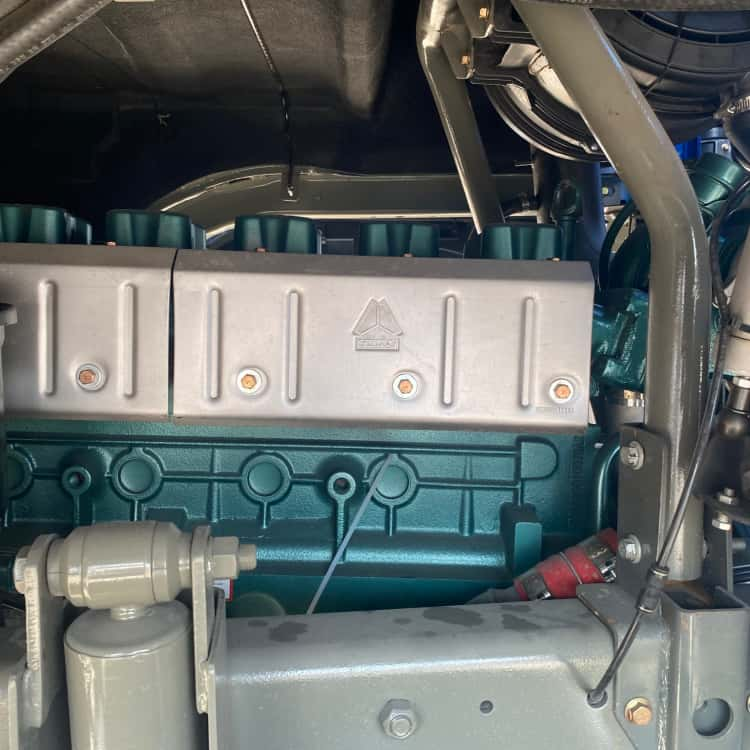
Full teardown, material fatigue detection and dynamometer validation for power core: The engine is the power source; hidden wear, fatigue cracks and dimensional deviation are the highest risk points.
- Full disassembly & deep cleaning: Complete teardown of cylinder head, block, crankshaft, connecting rod, piston, bearing and valve assembly. Carbon, oil sludge and surface corrosion are fully removed by industrial cleaning.
- Non-destructive testing & dimensional inspection: NDT for crankshaft, cylinder block and connecting rod to detect microcracks; precision micrometer measurement checks wear, ovality and taper. Parts exceeding tolerance are scrapped, not reused.
- Component grading & renewal: Bearings, piston rings, gaskets, seals, valve springs and timing consumables are replaced with new qualified parts. Reusable machined parts follow OEM machining specifications.
- Assembly control: Torque values strictly follow OEM specifications; clear assembly log records serial numbers of reused and new components.
- Bench dynamometer test: Run no-load and graded load testing. Verify power output, torque curve, oil pressure, coolant temperature, smoke emission and leakage. Record full test data tied to engine serial number.
- Post-test inspection: Check oil leakage, abnormal vibration and noise. Flush lubrication circuit after testing.
- Traceability archive: Store core screening report, NDT records, parts replacement list, dynamometer report and assembly log.
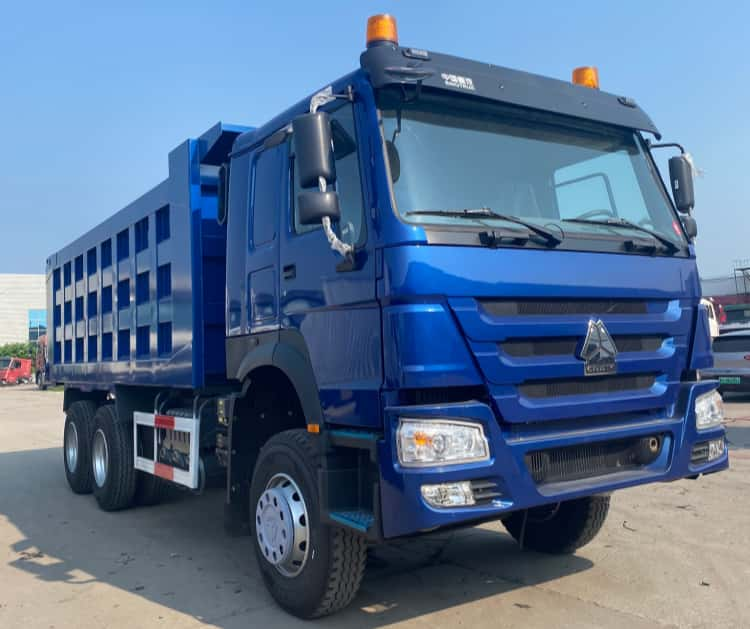
QA Specification for Reman Chassis System
Frame, axle, suspension and braking QA to guarantee heavy-load structural safety: Chassis carries all vehicle load; structural fatigue is the most dangerous hidden defect in used heavy trucks.
- Full disassembly of chassis assemblies: Axles, suspension leaf springs, shock absorbers, steering parts and brake assemblies are separated from frame.
- Frame inspection: Shot blasting to remove paint and rust for full visual + NDT scan. Check frame rail, cross member, welding areas for fatigue cracks, deformation and collision damage. Any crack beyond repair scope leads to frame scrapping. Approved frame repair follows controlled welding and stress relief procedures.
- Axle inspection: Disassemble front/rear axles, inspect axle housing via NDT; check gear tooth wear, bearing clearance, axle tube deformation. Replace worn bearings, oil seals and damaged gears.
- Suspension & steering QA: Leaf spring crack inspection; replace fatigue springs, failed shock absorbers, ball joints and tie rods. Measure steering geometry and free play.
- Brake system validation: Disassemble wheel hubs, brake drums, brake linings, air chambers, WABCO valves and air pipelines. Replace aging seals and worn friction parts. Conduct air tightness test and full-load braking performance test.
- Chassis alignment: Calibrate wheel alignment and axle spacing after reassembly to avoid uneven tire wear.
- Traceability archive: Frame NDT report, axle inspection log, brake component replacement list, chassis alignment record and brake test data.
QA Specification for Reman Hydraulic Systems
Pump, cylinder, valve and pipeline QA for tipper lifting and hydraulic auxiliary functions: Hydraulic systems are critical for dump trucks. Internal leakage, valve failure and cylinder seal damage often occur under frequent lifting cycles.
- Full disassembly and cleaning: Disassemble hydraulic pump, control valve, lifting cylinder, oil tank and all pipelines. Remove sludge, metal debris and old seal residues.
- Component inspection: Check cylinder barrel surface for scratches, piston rod for pitting and bending. Inspect pump gear/plunger wear and valve spool clearance. Parts with surface damage beyond repair must be scrapped.
- Seal and consumable renewal: All rubber seals, O-rings, gaskets and hoses are replaced with new parts matching OEM specifications, regardless of visual condition.
- Assembly and flushing: Assemble components with clean hydraulic oil; perform full system flushing to eliminate metal particles that cause early wear.
- Hydraulic bench pressure test: Pressure holding test at rated working pressure and overload test. Check internal leakage, external oil seepage, lifting speed and holding performance. Verify no drift under full load.
- Vehicle integrated test: Install on chassis and complete repeated lifting/lowering cycles, test limit valve protection and emergency lowering function.
- Traceability archive: Hydraulic component inspection log, seal replacement list, pressure test report and cyclic operation test records.
Cross-System Integrated Final QA
Whole vehicle joint test to verify coordination among engine, chassis and hydraulics: Individual assembly qualification cannot guarantee overall vehicle performance; integrated testing is mandatory.
- Static combined inspection: Check engine-chassis connection, hydraulic piping routing, brake-air circuit interlock, no interference or leakage.
- Loaded road test: Run vehicle under simulated heavy load. Monitor engine power response, chassis vibration, brake stability and hydraulic lifting operation during travelling.
- Thermal stability test: Continuous operation to observe temperature rise of engine oil, axle and hydraulic oil, check for progressive leakage.
- Fault code scanning: ECU readout for engine, brake and hydraulic control modules; clear residual fault codes and confirm no active faults.
- Final visual audit and documentation review: QA auditor cross-check all serial numbers, test reports and traceability files before release.
QA Record & Traceability Requirements Across Three Systems
Unified VIN-linked archive to support audit, warranty and ESG review:
- Each core assembly carries its own serial number, linked to the vehicle VIN in the central traceability system.
- All inspection, scrapping, machining, part replacement and test records cannot be selectively deleted or modified.
- The full QA dossier is part of delivery documents for the finished standardized reman trucks.
- Third-party auditors can randomly pull assembly QA records for spot audit.
Common QA Defects to Guard Against
Typical shortcuts suppliers use to cut cost and skip standardized reman QA steps:
- Skip NDT on frame or crankshaft, only do visual inspection.
- Reuse aging seals and hydraulic hoses to save component cost.
- Omit dynamometer test for engine, only simple start-up check.
- Skip hydraulic pressure holding test, only test one lifting cycle.
- No full disassembly: only replace obvious failed parts and keep fatigued original components.
- Incomplete documentation: only provide engine test report, while hiding chassis and hydraulic inspection records.
Buyer Verification Checklist for QA Audit
Practical checklist for pre-shipment or factory audit:
- Request NDT reports for frame, crankshaft and axle housing.
- Check engine dynamometer curve and recorded load test data.
- Review hydraulic pressure holding test and cyclic lifting records.
- Confirm brake air tightness and full-load braking test report.
- Cross-check serial numbers of engine, axle and hydraulic cylinder against VIN traceability file.
- Confirm all sealing and wear consumables are listed in the replacement inventory.
- Verify integrated road test and ECU fault scan records.
Conclusion
Quality assurance for standardized reman trucks must be executed separately for engine, chassis and hydraulic systems, then validated by integrated whole-vehicle testing. The core logic is: full disassembly, non-destructive fatigue inspection, mandatory renewal of aging consumables, assembly by OEM torque standards, bench testing for each assembly and VIN-bound traceability archives.
Many low-grade refurbishment or overhaul suppliers skip these heavy QA steps. For fleet buyers, auditing QA documents of these three core systems is the most direct way to verify whether the truck meets standardized reman standards, avoiding costly in-service failures.