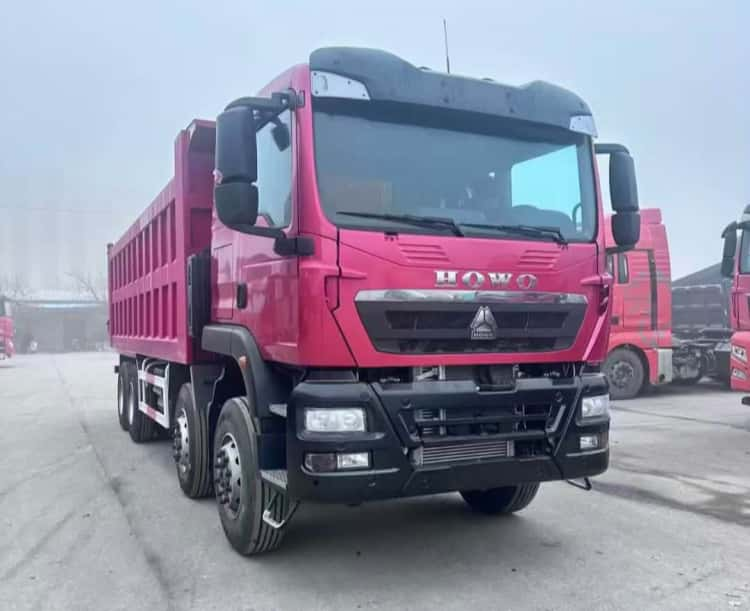
How Planned Asset Cycles Eliminate Fleet Capital Waste Through Certified Reman Trucks?
Introduction
Fleet capital waste often comes not from bad individual truck purchases, but from unplanned asset holding cycles. Many operators keep trucks in service too long, run them past their economical service window, or buy assets without a clear exit plan. Capital gets locked in depreciating equipment, maintenance costs spiral, and downtime losses eat into profits.
A planned asset cycle sets clear rules for when a truck enters service, what duty it performs, when it is transferred to lighter work, and when it is sold or retired. This framework works especially well for fleets using REMAN ROAD certified reman trucks, whose reset service life and traceable records make predictable rotation practical.
Define clear holding windows for each asset type
Different heavy truck categories have different optimal economic lifecycles.
- Brand-new OEM trucks: Best for long continuous core operations. Their sweet spot sits in the early and mid-life phase, while factory warranty and low failure risk are active.
- REMAN ROAD certified reman trucks: Designed for fixed-cycle deployment. Their service life is reset through standardised reman workflows, so operators can plan a defined holding period before residual value begins to drop sharply.
- Generic used trucks: High uncertainty, no predictable cycle. Extended use creates uncontrolled repair risk and hidden capital loss.
Without this definition, fleets tend to keep trucks until a major breakdown forces replacement. By then, the asset has already burned excess maintenance budget and lost most of its resale value.
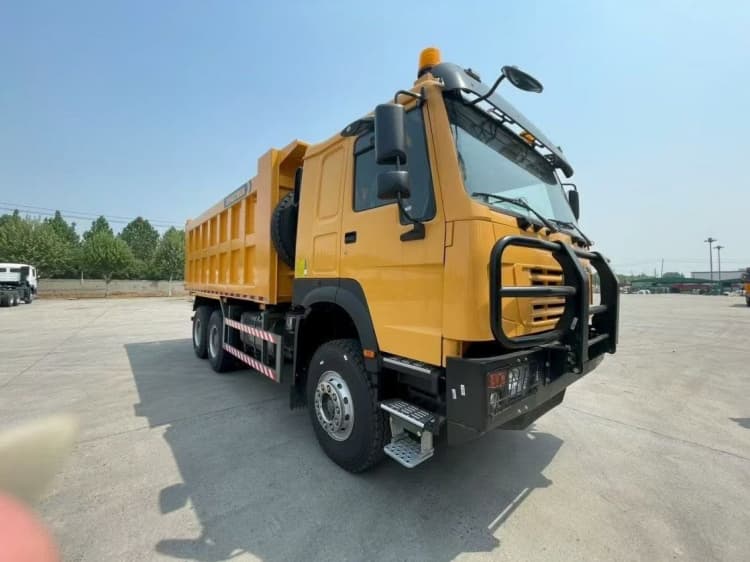
Match vehicle duty to its position in the asset cycle
One key principle of cycle planning: assign the hardest, highest-revenue work to assets in their prime operating phase.
- New or freshly certified reman trucks: Deploy on high-penalty, high-utilisation haul routes, mine sites and critical earthworks.
- Mid-cycle units: Shift to less punishing work, shorter trips or standby support roles.
- End-of-cycle units: Restrict to low-risk, non-casualty work, while preparing them for resale.
This method slows accelerated wear, protects residual value, and avoids exposing time-sensitive contracts to ageing assets. It prevents the common waste of burning out high-value assets on low-margin light duty, or running worn units on high-stakes jobs.
Schedule exit before repair costs overtake asset value
Every heavy truck reaches a crossover point. Beyond this point, annual maintenance and downtime losses exceed the economic benefit of keeping the vehicle running.
For certified reman trucks, this crossover point is predictable. Full test records and component renewal logs let fleet managers forecast when major overhauls will be due. Planned asset cycles set the exit date before this threshold is hit. The fleet sells the truck while it still holds meaningful market value, instead of sinking more capital into costly repairs that cannot be fully recovered at resale.
This directly eliminates one of the largest forms of fleet waste: pouring money into assets that have already passed their economical life.
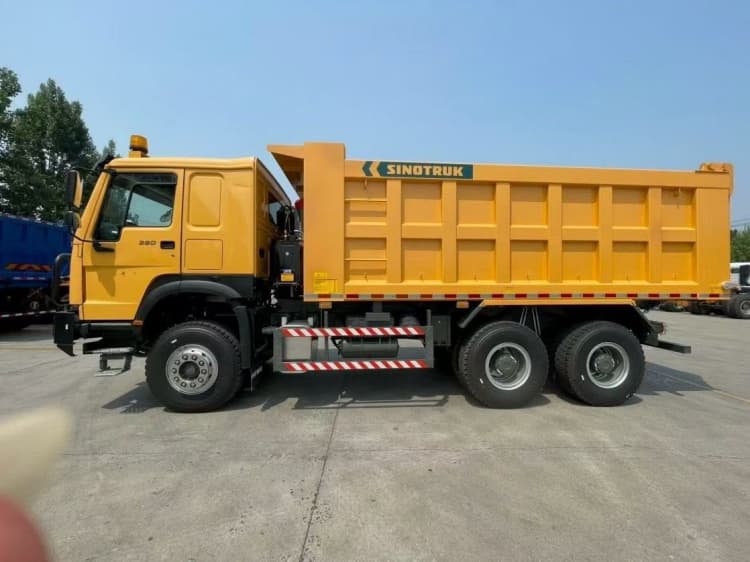
Use staggered rotation to smooth cash outflow
Fleets that replace all trucks at once face huge, lumpy capital outlays. This spikes financing costs, strains working capital and creates cash flow risk.
Planned staggered rotation spreads procurement across years. Only a portion of the fleet is replaced in any given period. For operators mixing new and REMAN ROAD certified reman trucks, this strategy becomes even more flexible. Certified reman trucks can fill capacity gaps without triggering large one-time CAPEX spikes.
Staggered cycles also reduce operational disruption. The fleet never faces mass downtime while waiting for a full batch of replacement vehicles.
Preserve residual value through cycle-aligned documentation
Resale value is a core part of the asset’s total economic return, and it depends heavily on consistent records. When a fleet follows a formal asset cycle process:
- Service intervals are followed on schedule
- VIN-linked inspection and reman certification files are retained
- Duty history is logged clearly
- Exit timing is planned before value collapses
REMEN ROAD certified reman trucks with complete traceability command stronger pricing in the secondary market. A haphazard holding cycle, by contrast, leads to missing records, unknown wear history and steep discounts from buyers. The value lost here is pure capital waste.
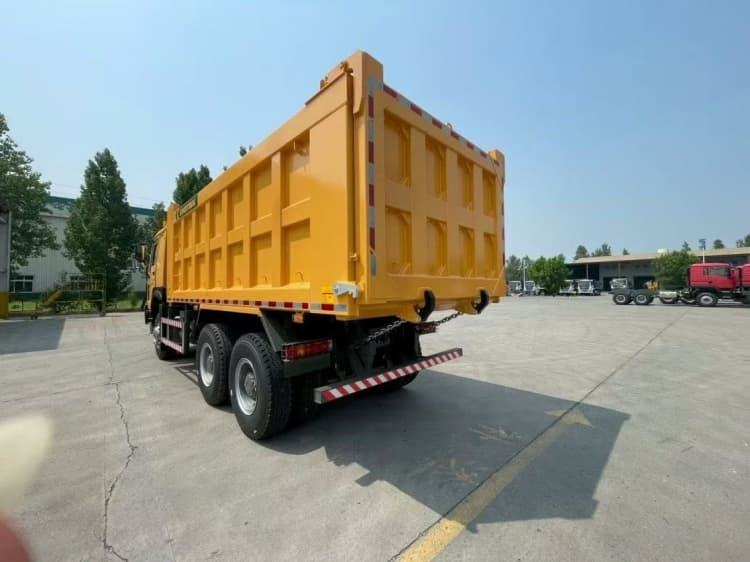
Align asset cycles with project and tender timelines
Most African construction and mining fleets operate around discrete contracts and tender windows. Planned cycles let procurement and project schedules work together.
- Bring fresh certified reman trucks online ahead of a large awarded contract
- Scale down and prepare assets for sale once a project concludes
- Avoid buying long-life assets for short-term seasonal work
Without this alignment, fleets may buy permanent capacity to satisfy a temporary contract. Once the project ends, the fleet carries idle assets that continue to depreciate with no revenue to offset the loss.
Avoid over-financing by matching loan terms to asset cycles
Many fleets carry loan repayment schedules that stretch far beyond the asset’s optimal holding cycle. If a truck is sold after its planned 4–5 year cycle, but financing runs for 6 or 7 years, the operator may still owe money on an asset no longer generating revenue.
Planned cycles let finance terms be matched to the planned exit date. This eliminates negative equity risk and prevents capital waste from mismatched debt and asset lifecycles.
Common pitfalls that break cycle planning
Planned asset cycles only work if the fleet avoids these mistakes:
- Treating all trucks the same, regardless of whether they are new, certified reman or used
- Ignoring residual value and holding vehicles until they are only worth scrap
- Buying uncertified overhauled trucks, whose unpredictable failure schedules make cycle planning impossible
- Skipping record keeping, which erodes resale value at exit
Closing
Planned asset cycles remove fleet capital waste by bringing predictability to the full lifecycle of every heavy truck. They define how long each asset stays in service, what work it performs, when it rotates to lighter duty, and when it exits the fleet. For operators using REMAN ROAD certified reman trucks, this structured approach unlocks their core advantage: controlled capital spend, stable uptime and protected residual value.
Instead of reacting to breakdowns and emergency replacements, the fleet proactively manages assets as a portfolio. Capital stops being trapped in over-aged, high-maintenance trucks and can be redeployed into revenue-generating capacity.