
How Standardized Remanufacturing Supports Corporate ESG and Low-Carbon Development?
Introduction
ESG and low-carbon strategies are no longer optional marketing concepts for global construction, mining and logistics enterprises. Investors, project owners and regulatory bodies increasingly require corporates to demonstrate measurable environmental benefits, responsible supply chain management and sound asset lifecycle governance.
Many fleet operators assume carbon reduction means purchasing brand-new low-emission vehicles, which requires massive capital outlay. Standardized remanufacturing offers an alternative practical path. By regenerating eligible heavy-duty assets instead of scrapping old cores and manufacturing brand-new trucks from raw materials, standardized reman directly reduces material consumption, energy use and carbon output. It also lifts social and governance performance within the ESG framework. This article explains how standardized remanufacturing contributes to environmental, social and governance goals, and how fleets can quantify these sustainability gains.
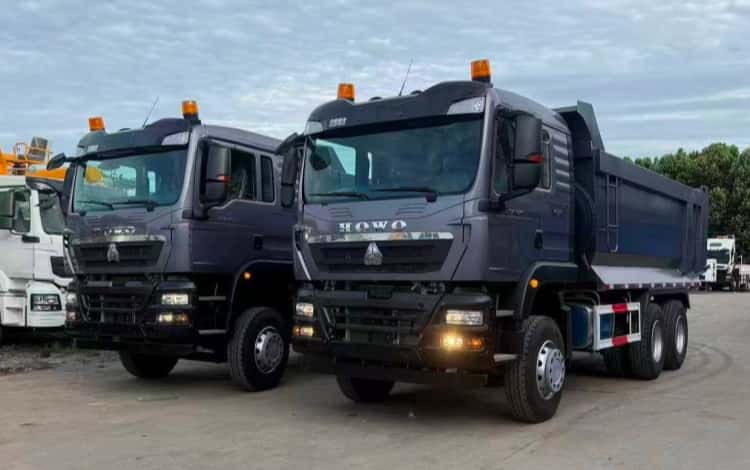
Environmental Pillar: Material Savings, Energy Reduction and Carbon Footprint Cut
The environmental benefit forms the core value of remanufacturing. Manufacturing a new heavy truck consumes enormous amounts of steel, aluminium, rubber and other mineral resources, alongside intensive energy for smelting, casting and assembly. Standardized reman retains intact base substrates of qualified core vehicles and only replaces worn or failed components.
Reduced raw material consumption
A large portion of the frame, axle housing and gearbox substrate can be reused after inspection and regeneration. This avoids the extraction and processing of virgin metal ore. Every certified remanufactured vehicles saves tons of steel and non-ferrous materials that would otherwise be consumed for new vehicle production. It also reduces waste generation, cutting the volume of metal scrap sent to landfills.
Lower embodied carbon emissions
Embodied carbon refers to emissions created during material production and vehicle manufacturing. Studies show standardized remanufacturing consumes far less energy than building new heavy trucks. The reduction in steel smelting and component casting delivers substantial carbon savings. For fleets, deploying reman assets lowers the carbon footprint of their transport and construction operations, which can be counted into corporate greenhouse gas inventories.
Controlled waste and pollution
Formal standardized remanufacturing follows regulated industrial waste handling rules. Waste oil, scrap metal, used filters and damaged rubber parts are sorted and recycled professionally. Unlike informal dismantling workshops, standardized remanufacturing facilities prevent random dumping of hazardous materials, reducing soil and water contamination.
Optimized operational carbon in fleet service
standardized remanufacturing includes engine recalibration, fuel system overhaul and leak elimination. Restored engine performance brings fuel consumption back close to factory level. Compared with poorly maintained old used trucks with degraded fuel efficiency, reman assets reduce ongoing fuel burn and tailpipe emissions during daily operation.
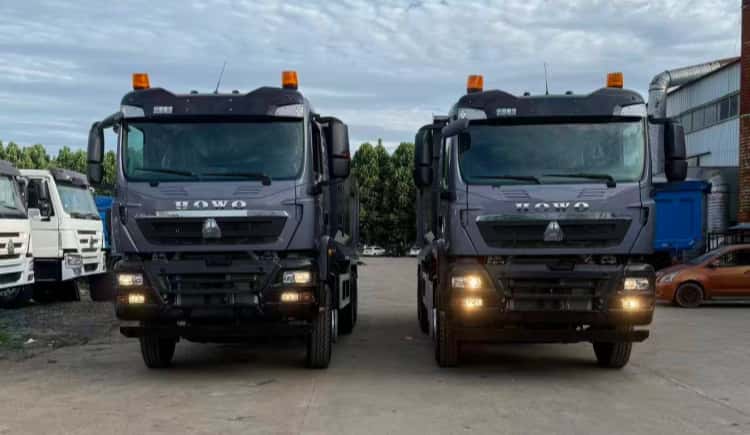
Social Pillar: Responsible Asset Utilization and Industry Capacity Building
ESG’s Social dimension focuses on safe operation, local employment and responsible resource use. Standardized remanufacturing brings tangible social value beyond environmental gains.
Improved operational safety for frontline workers
standardized remanufacturing mandates NDT structural inspection, brake system regeneration and full functional testing. Hidden frame cracks, axle defects and degraded braking components are eliminated before delivery. Reduced risk of sudden structural failure protects truck drivers, site workers and surrounding communities, lowering safety incidents at job sites.
Skilled job creation
standardized remanufacturing requires trained technicians, NDT inspectors, calibration engineers and quality auditors. It creates high-skill local manufacturing jobs, instead of only low-level dismantling work. Professional skill training promotes capability growth within the heavy equipment service industry.
Reduced pressure on global mineral supply chains
Heavy vehicle manufacturing relies on finite mineral resources. By extending the service life of existing heavy assets, reman eases global demand pressure for metal ores, mitigating the social risks associated with large-scale mining activities, such as habitat disruption and local community conflicts.
Governance Pillar: Traceability, Auditable Standards and Transparent Asset Management
Governance in ESG focuses on standardized processes, transparent records and compliance management — the core strengths of certified reman systems.
Auditable full-lifecycle traceability
Each remanufactured vehicles carries a unique ID linking screening, inspection, NDT reports, component replacement logs and test records. This complete documentation makes sustainability outcomes verifiable. Companies can supply objective data for ESG reporting, third-party audits and investor reviews, rather than relying on qualitative descriptions.
Standardized workflow compliance
standardized remanufacturing follows unified technical rules and quality gates. Clear operational specifications reduce irregular workshop practices. For corporate fleets, using standardized reman assets brings better internal control over asset procurement and maintenance, lowering legal and compliance risks.
Clear classification and risk disclosure
Reliable reman brands clearly distinguish certified reman products from simple refurbishment. Transparent product labelling prevents greenwashing. Enterprises avoid the risk of exaggerated sustainability claims in ESG reports, a critical governance requirement for listed firms.
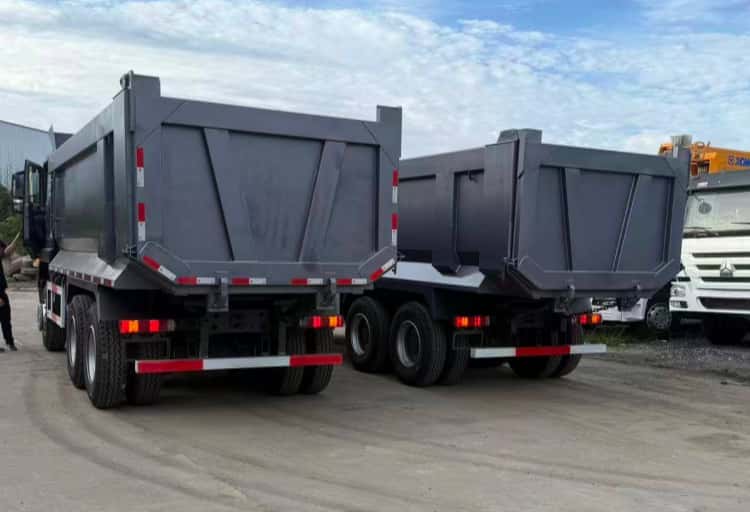
How Fleets Quantify ESG Benefits of Reman Assets
Enterprises need quantifiable indicators to integrate reman into ESG reports. Common measurable metrics include:
- Tonnes of raw steel conserved per reman vehicle
- Reduction of embodied carbon compared with purchasing an equivalent new truck
- Volume of hazardous waste properly recycled during reman processing
- Reduction in onsite safety incidents from structurally verified vehicles
- Fuel saving and annual tailpipe emission reduction during asset operation
- Percentage of fleet assets sourced through circular economy channels
These metrics can be embedded into corporate sustainability reports and project tender documents. For many infrastructure and mining tenders, verified low-carbon asset choices become a competitive bidding advantage.
Common Misconceptions About Reman and ESG
Misconception 1: Only brand-new electric trucks can improve ESG performance
While electric vehicles reduce tailpipe emissions, their manufacturing carries high embodied carbon and heavy mineral demand. standardized remanufacturing offers immediate carbon reduction with much lower capital expenditure, serving as a practical complementary solution for fleets operating in remote sites lacking charging infrastructure.
Misconception 2: Reman is just “reusing old trucks” and cannot count toward ESG goals
Informal old vehicle repair does not qualify. Only standardized remanufacturing with mandatory inspection, component grading and complete traceability delivers provable environmental benefits. Verified documentation turns asset regeneration into credible ESG achievements.
Misconception 3: ESG investment inevitably raises fleet total cost
standardized remanufacturing balances sustainability and economy. It cuts upfront purchase capital while maintaining reliable uptime, so fleets achieve ESG targets without sharp increases in TCO.
Practical Ways Enterprises Integrate Reman Into Low-Carbon Roadmaps
- Include certified remanufactured vehicles in fleet renewal planning, replacing direct new-truck procurement for part of the fleet expansion.
- Require reman suppliers to provide carbon saving statements and full traceability packages for ESG audit.
- Compare embodied carbon and operational emissions between new, used and reman assets during procurement evaluation.
- Prioritize reman assets for remote mining and construction projects where new vehicle budgets are constrained.
- Publish circular economy asset data in annual sustainability reports.
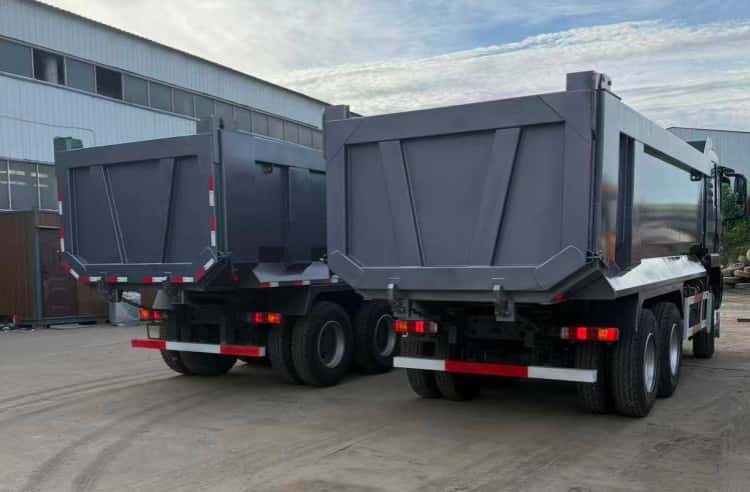
Conclusion
Standardized remanufacturing delivers value across all three ESG pillars. Environmentally, it conserves raw materials, cuts embodied carbon and reduces waste. Socially, it improves onsite safety and builds skilled industry employment. From a governance perspective, traceable reman workflows bring transparent, auditable records that support corporate sustainability reporting and avoid greenwashing risks.
For global mining, construction and logistics enterprises, standardized remanufacturing is not merely a cost-saving procurement option. It is a practical, scalable low-carbon strategy. As ESG reporting requirements tighten, certified remanufactured vehicles will become an important component of corporate sustainable fleet management, balancing operational performance, budget control and long-term carbon reduction targets.