
How to Match Reman Trucks Configuration to Different Job Site Scenarios?
Introduction
Fleet operators often treat reman heavy assets as a one-size-fits-all solution. Many procurement teams focus only on price and general condition while ignoring site-specific operating demands. A reman trucks for sale delivering reliable performance on flat highway haulage may suffer rapid wear, frequent breakdowns and poor fuel efficiency when deployed in steep, muddy mining pits.
Matching reman trucks configuration to actual job site conditions is not just about picking a vehicle model. It involves aligning chassis strength, powertrain tuning, suspension, braking system, tire specification and auxiliary components with terrain, load weight, road quality, altitude, ambient temperature and working cycles. Proper configuration matching maximizes asset service life, cuts maintenance frequency and optimizes total cost of ownership. This article breaks down typical job-site scenarios, core configuration selection logic and common configuration mistakes for reman trucks for sale.
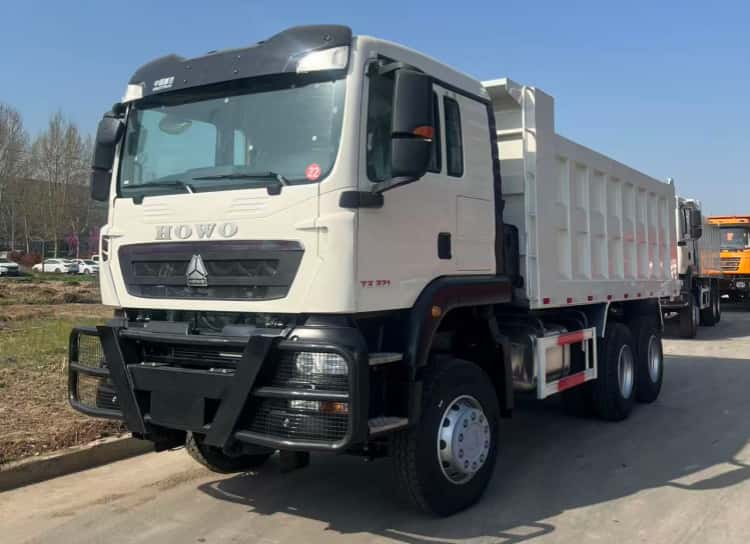
Core Factors to Evaluate Before Configuration Selection
Before choosing reman trucks specs, define the fundamental operating parameters of your worksite. These factors act as the baseline for configuration matching.
- Load characteristics: Maximum payload, frequency of full/empty cycling, shock load during loading and unloading.
- Terrain profile: Flat pavement, hilly roads, steep ramps, rough gravel tracks or slippery muddy ground.
- Environmental conditions: High temperature, high altitude, heavy dust, rain or freezing cold.
- Duty cycle: Continuous 24-hour operation or intermittent daytime shifts; daily mileage.
- Road restrictions: Weight limits, axle load rules, narrow tunnels or tight turning spaces.
All reman rebuild parameters can be adjusted during industrial reman process. During the reman process, technicians can retain or upgrade assemblies to fit your site requirements, instead of forcing an ill-suited vehicle into your workflow.
Mining Pit Operations: Heavy Load, Rough Terrain & Steep Ramps
Mining sites are the harshest operating scenario for heavy vehicles. Short trips, heavy payload, constant vibration, steep downhill ramps and heavy dust place extreme stress on frames, brakes and powertrain.
Recommended reman configuration priorities:
- Reinforced frame and heavy-duty suspension. NDT inspection on frame and weld joints is mandatory.
- High-torque powertrain with low-speed gear ratios for climbing loaded ramps.
- Robust retarder and reinforced braking system to handle repeated downhill braking and prevent brake fade.
- Heavy-duty off-road tires with deep tread; reinforced wheel hubs.
- Dust sealing upgrade for engine, electrical harness and hydraulic components to reduce abrasive wear.
Common mistake: Deploying highway-spec reman trucks for sale to mine pits. These vehicles have lighter suspension and inadequate brake capacity, leading to rapid suspension failure and high brake wear.
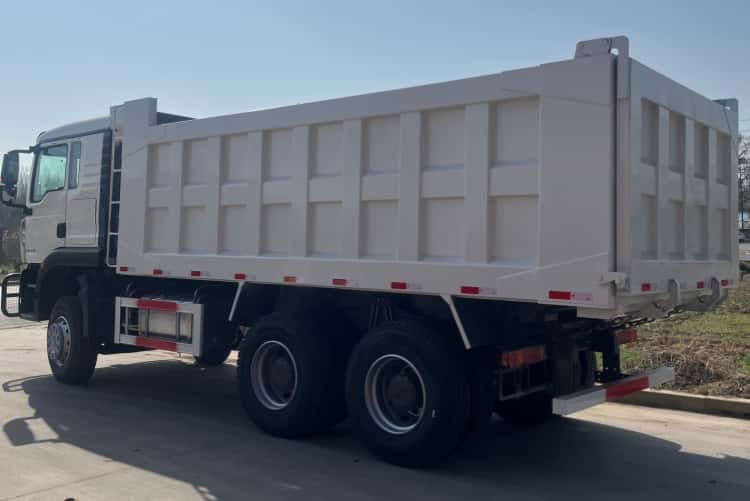
Road Construction Sites: Mixed Terrain & Variable Load Cycles
Road construction projects combine paved haul roads, unfinished gravel tracks and temporary muddy access routes. Loads vary between aggregate, asphalt, soil and construction materials. Work sites often relocate as projects advance.
Recommended reman configuration priorities:
- Balanced suspension, capable of switching between paved and rough unpaved surfaces.
- Versatile powertrain with moderate torque, adaptable to variable speed and load.
- Reliable hydraulic system for tipper bodies, with reinforced hydraulic cylinders.
- Hybrid tire option: suitable both for gravel roads and short paved sections.
- Robust cab protection and corrosion resistance for variable weather conditions.
Common mistake: Over-specifying mining-grade heavy components. Overbuilt configurations raise purchase cost and increase fuel consumption unnecessarily.
Long-Distance Highway Haulage: Flat Paved Routes, Continuous Running
Highway fleets prioritize fuel economy, cruising stability and long service intervals. Loads are stable, roads are paved, vibration stress is lower compared with off-road sites.
Recommended reman configuration priorities:
- Powertrain calibrated for fuel-efficient cruising speed, optimized for highway constant-speed operation.
- Lightweight but intact frame, verified by NDT, to reduce empty vehicle weight and raise effective payload.
- Standard suspension for smooth highway ride, lowering driver fatigue and component vibration wear.
- High-efficiency cooling system for extended continuous running.
- Standard on-highway tires to minimize rolling resistance and fuel consumption.
Common mistake: Using heavy mining-oriented reman trucks for highway transport. Extra chassis weight increases fuel bills every mile.
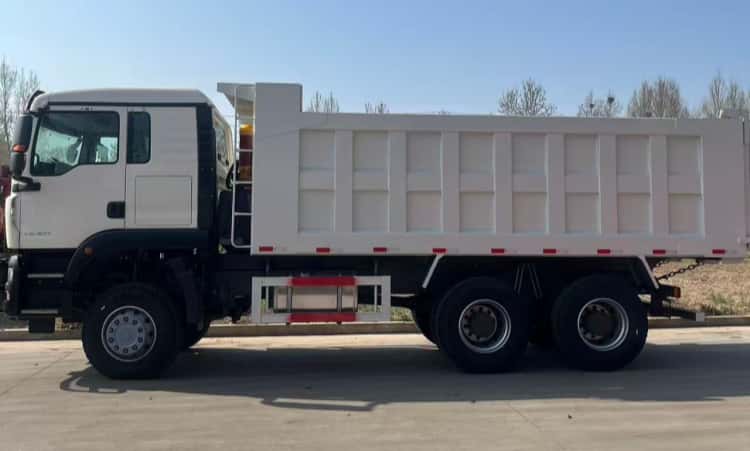
Remote Rural & Off-Grid Sites: Limited Maintenance Support
Remote project sites lack well-equipped service workshops, spare parts stock and skilled local technicians. In this scenario, simplicity and fault tolerance matter more than peak performance.
Recommended reman configuration priorities:
- Mature, widely used core assemblies with easy-to-source spare parts. Avoid overly specialized, rare components.
- Simplified electrical architecture to reduce intermittent electronic faults.
- Enhanced corrosion protection and upgraded sealing against dust, sand or humidity.
- Extended-life consumables such as heavy-duty filters.
- Full traceability records and complete spare parts list delivered with the vehicle, for on-site basic maintenance.
Common mistake: Selecting reman trucks fitted with customized, rare assemblies. A minor fault may lead to weeks of downtime waiting for special spare parts.
High-Altitude or Extreme Temperature Sites
Altitude and temperature directly impact engine performance and component reliability.
- High altitude: Thin air reduces engine power output. Reman engine can be recalibrated to adapt to low oxygen levels. Cooling and turbo systems require inspection and adjustment.
- Hot climate: Upgrade radiator, oil cooling system and heat-resistant seals to avoid overheating.
- Cold climate: Pre-heating systems for engine and hydraulic oil; cold-resistant seals and lubricants.
Custom Adjustment During Remanufacturing
One key advantage of certified reman trucks for sale is configurability during the rebuild phase. Before reassembly, suppliers can:
- Select appropriate gear sets to adjust torque and speed characteristics
- Upgrade brake or retarder assemblies according to ramp requirements
- Replace seals, filters and tires matching your climate
- Perform NDT and frame reinforcement if heavy off-road duty is required
This is a critical distinction from pre-owned second-hand trucks, whose fixed configuration cannot be modified systematically.
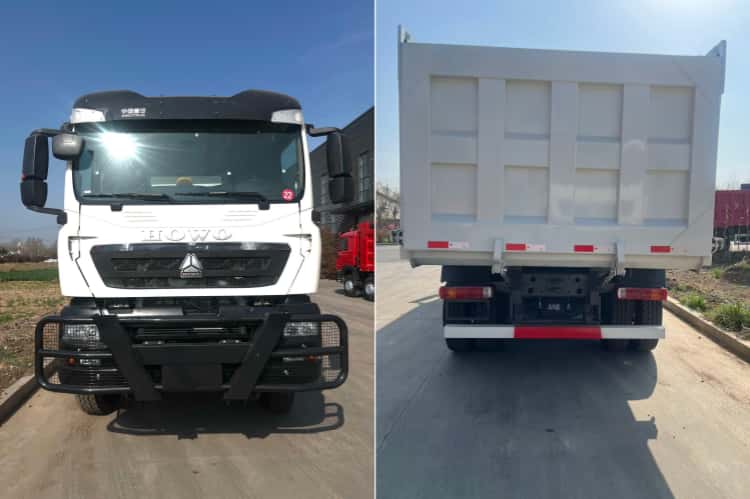
Practical Workflow for Matching Configuration
- Document your site working profile, including payload, terrain, mileage, temperature and maintenance support level.
- Communicate your site requirements clearly to the reman supplier before production.
- Request a configuration justification report explaining how each assembly matches your working conditions.
- Verify whether the supplier adjusted powertrain, braking or suspension specs during industrial reman process.
- Confirm that test bench simulation mimics your real working load cycle.
- Reserve spare parts package matched to your selected configuration for on-site maintenance.
Conclusion
There is no universal “best” reman trucks. The best configuration is the one tailored to your unique job site. Mining pits, construction zones, highway haulage and remote projects impose completely different stress patterns on chassis, powertrain and braking systems.
Fleet buyers should define site operating parameters first, then select or customize reman configurations accordingly. When reman trucks are properly matched to working scenarios, fleets achieve longer component life, fewer breakdowns, optimized fuel usage and lower overall TCO. Without configuration matching, even a high-quality certified reman trucks will suffer premature failure and fail to deliver expected return on investment.