
Why Low TCO Reman Lets You Test New Market Haul Routes Without Heavy Capital Exposure?
Introduction
Expanding into new haul routes, remote site contracts or emerging freight markets always carries uncertainty. Volume forecasts may fall short, access conditions can prove harsher than expected, and long-term contract awards are not guaranteed. Traditional fleet expansion relies on ordering new trucks or purchasing high-value used assets, tying up substantial capital that remains locked into equipment even when the new route fails to deliver projected returns.
REMAN ROAD Low TCO reman trucks offer a flexible alternative. Their lower upfront outlay, predictable running costs, short lead times and established resale benchmarks let asset owners test new markets while keeping capital exposure tightly controlled.
Lower Upfront Capital Outlay Reduces Financial Risk For Pilot Operations
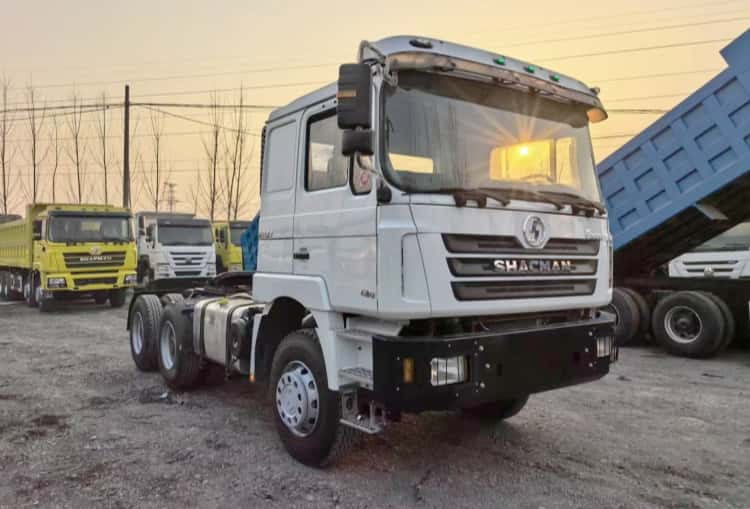
REMAN ROAD low TCO reman trucks come at a far lower entry price, with certified rebuild quality and documented condition. Fleet operators can deploy a small test fleet for a new route without draining cash reserves or maxing out credit facilities. If the route proves commercially viable, the fleet can scale gradually. If margins fail to hit targets, the business has not sunk excessive capital into assets built for that specific trial.
Short Lead Times Support Fast Route Trials And Agile Market Testing
Many new haul opportunities are time-sensitive: a short-term mining access contract, seasonal freight demand or a newly opened cross-border corridor may require trucks within weeks. New truck lead times often stretch for months, making them unsuitable for fast pilot programs.
Qualified low TCO reman trucks are typically available from ready stock, enabling fleets to launch route trials quickly. This agility lets operators capture temporary opportunities, gather real operational data and validate route profitability before committing to permanent, large-scale asset investment.
Predictable TCO Makes Pilot Route Financial Modelling Reliable
Testing a new route depends heavily on accurate cost forecasting to judge whether the business case works. Unknown repair bills, erratic downtime and inconsistent fuel consumption from unvetted used trucks skew trial data and hide true route margins.
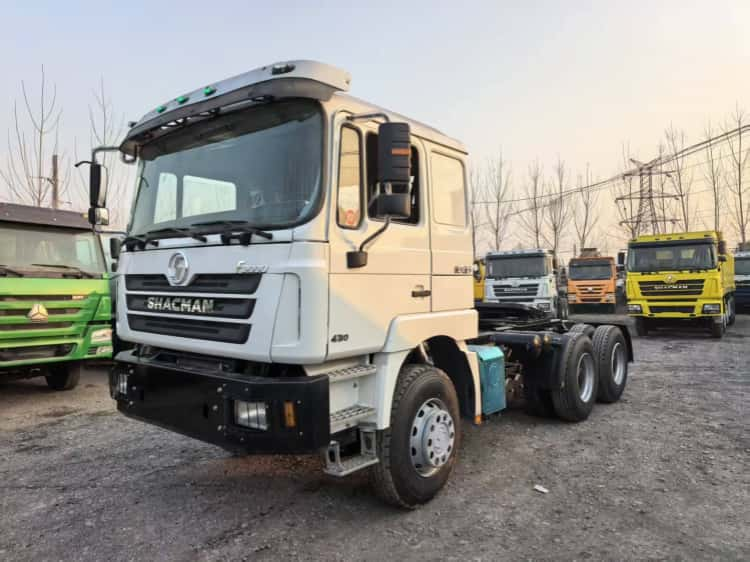
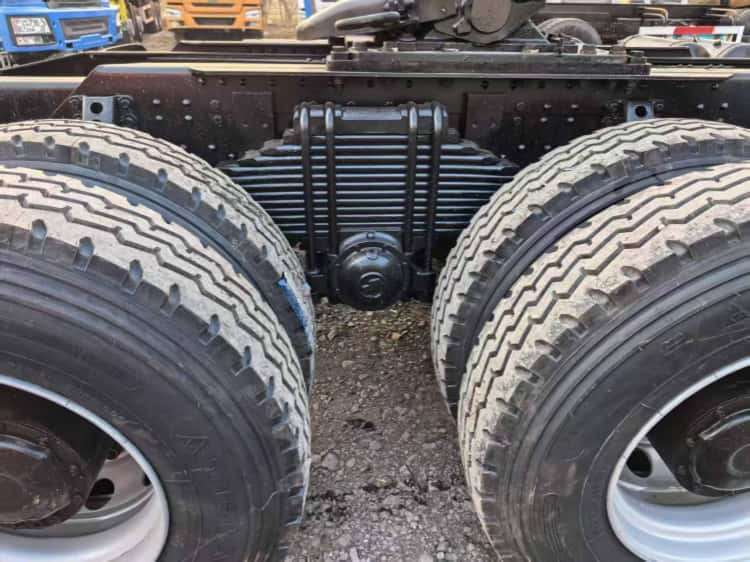
Low TCO reman trucks follow standard rebuild specifications, backed by warranty and defined service intervals. Maintenance, downtime risk and component wear are far more predictable. Fleet planners can build robust financial models for the trial, separate equipment costs from route-specific variables, and clearly tell whether poor performance stems from the route itself or unreliable machinery.
Established Resale And Transfer Value Offers A Clear Exit Path
A core concern with market testing is what happens to the fleet once the trial ends. Low TCO reman trucks with full rebuild traceability hold stable, verifiable residual value. If the route is unprofitable, operators can reallocate the low TCO reman trucks to existing profitable runs, redeploy them to another pilot project, or resell them to secondary buyers in the reman market.
Unlike highly customised new trucks, standardised low TCO reman trucks have broad appeal, avoiding steep write-downs that turn a failed route trial into a major capital loss. This clear exit option is the foundation of controlled capital exposure.
Scalable Pilot Sizing Matches Route Demand, Avoiding Over-Investment
New route demand is rarely steady from day one. Operators may only need two or three trucks to run a limited pilot and collect performance data. The low TCO remanufacturing removes pressure to purchase a full fleet to justify the investment.
Fleets can start small, gather real-world data on payload cycles, road conditions, fuel burn and driver efficiency, then scale up only after the business case is validated. This staged approach eliminates the common pitfall of buying excess capacity to support speculative haul contracts.
Conclusion: Low TCO Reman Turns Speculative Route Trials Into Controlled Bets
Market expansion in haulage does not need to be an all-or-nothing capital gamble. Low TCO remanufacturing combine affordable entry, fast availability, predictable operating costs and defendable residual value.
They give fleet operators the freedom to test new haul routes, validate commercial viability and gather operational evidence — all while keeping capital exposure contained. For growing haulage businesses, low TCO remanufacturing is the ideal asset model for exploring new markets without overcommitting balance sheet resources.