
Why Stable Remanufacturing Reduces The Risk Of Unexpected Cost Escalation On Multi-Year Projects?
Intro
Multi-year haulage and mining projects are especially vulnerable to cost escalation. Long timelines leave room for surprise breakdowns, rising repair bills and unforeseen downtime penalties. Budget models built on used or ad-hoc rebuilt trucks often fall apart years into the contract. REMAN ROAD stable remanufacturing delivers consistent, documented asset performance, helping finance teams build forecasts that hold steady across the full project lifecycle.
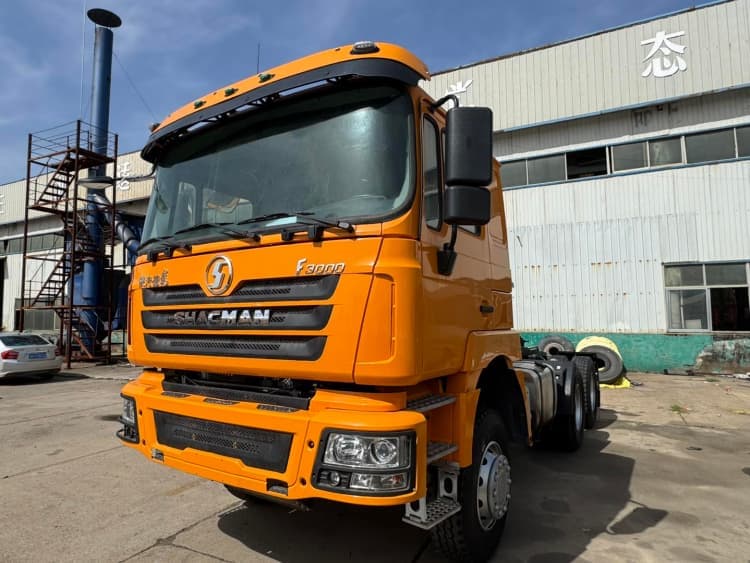
Standardised wear curves avoid unplanned repair inflation
Non-certified rebuilds and used trucks degrade unpredictably. A fault that emerges in year two or three can trigger expensive overhauls that were never included in the original budget. REMAN ROAD stable remanufacturing follows fixed rebuild standards, NDT core screening and pre-delivery load validation. Component wear rates are consistent and well understood. Maintenance spend follows a scheduled, gradual curve instead of sudden, large repair shocks. This removes one major source of long-term budget creep.
Reduced downtime exposure limits cascading secondary costs
On multi-year contracts, repeated breakdowns create compounding costs: standby rental trucks, overtime labour, missed tonnage targets and liquidated damages. These charges accumulate slowly and are hard to model years in advance. REMAN ROAD stable remanufacturing minimises latent mechanical failures. Uptime stays consistent, so the fleet avoids cascading operational expenses that gradually escalate total project spend. The production plan remains aligned with the original budget assumptions.
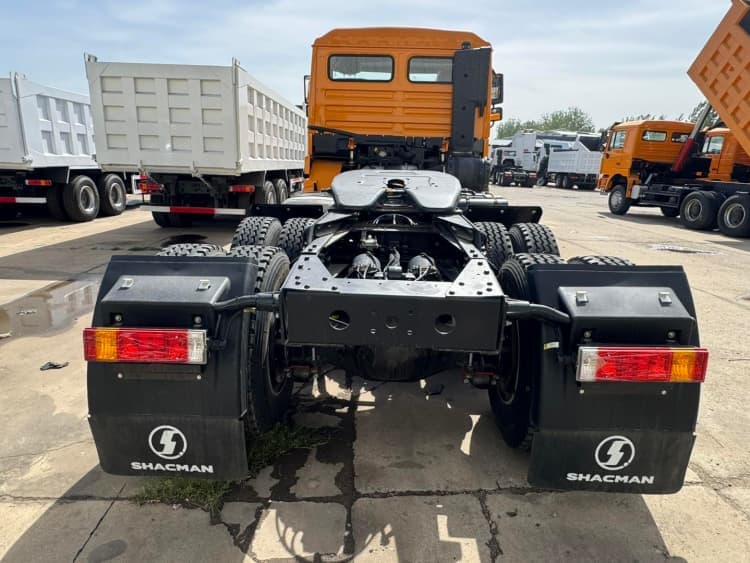
Warranty framework caps long-term liability for rebuild defects
Well-structured reman warranty coverage extends protection for workmanship defects deep into the project term. Unlike used trucks, where every failure falls fully on the fleet, covered rebuild faults shift parts and assembly repair costs back to the supplier. This liability cap prevents a single major driveline or structural failure from creating a massive, unbudgeted expense halfway through the project.
Reliable residual value controls depreciation forecasts
Long project budgets rely heavily on depreciation calculations. Undocumented rebuilt units can lose value far faster than expected, forcing unexpected write-downs. With a complete serialised dossier, REMAN ROAD stable remanufacturing residual value is predictable. Depreciation schedules stay on track over multiple years. This avoids the need for mid-project budget revisions caused by worse-than-expected resale value.

Final takeaway
REMAN ROAD stable remanufacturing curbs unexpected cost escalation on multi-year projects by delivering predictable wear patterns, lower downtime risk, capped warranty liability and reliable depreciation modelling. It removes mechanical uncertainty from long-range budget planning, protecting project margins across years of continuous haulage operation.