Why Formally Remanufacturing Is A Practical Solution For Fleets With High Vehicle Turnover Cycles?
Intro
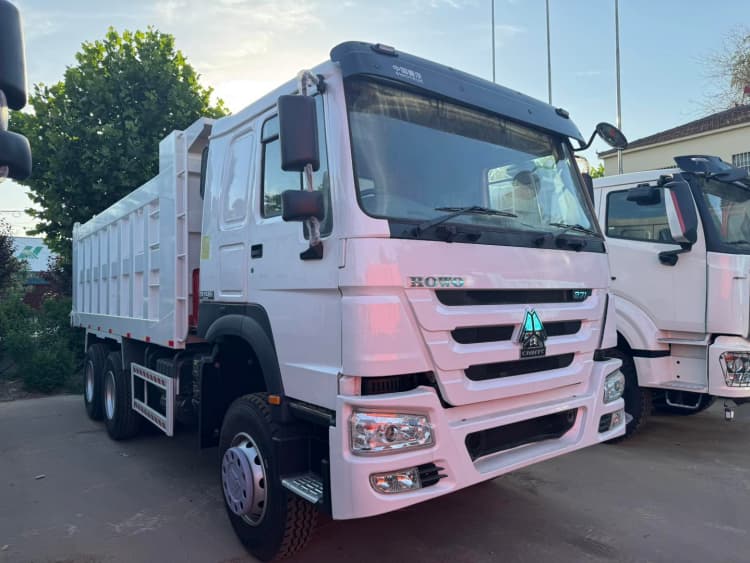
Contract haulage and mining fleets often operate on short project cycles, requiring frequent asset rotation. Vehicles are mobilised for a job, then sold, reassigned or replaced once the contract wraps up. High turnover creates unique pressure: fast sourcing, consistent quality, simple re-certification and reliable resale liquidity. REMAN ROAD formally remanufacturing fits this operating model far better than new trucks or random used purchases, as it is built for rapid asset cycling.
Shorter lead time matches fast mobilisation demands
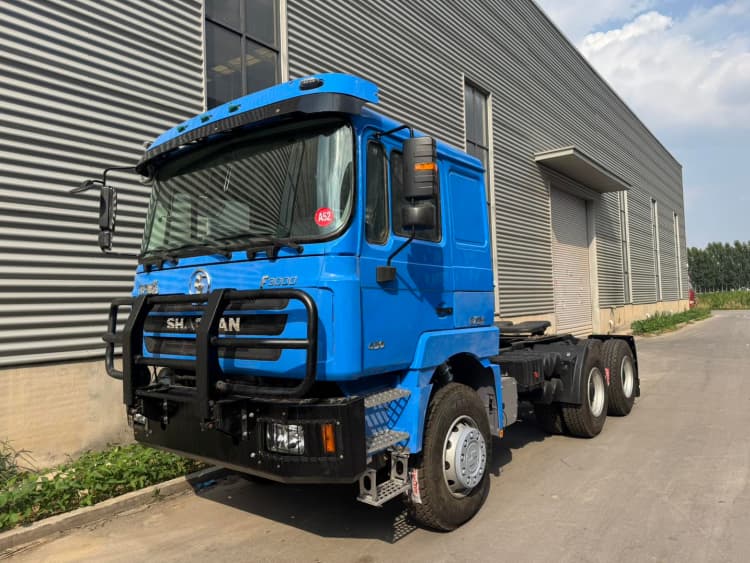
New heavy truck orders carry long factory and shipping lead times, which do not align with tight tender mobilisation timelines. Used truck stock is inconsistent, and finding multiple units with matching condition and documentation takes time. REMAN ROAD formally remanufacturing uses pre-qualified core inventory and standardised rebuild workflows. Units can be scheduled and delivered on a compressed timeline, so fleets can scale up or down quickly to match incoming or expiring project workloads.
Standardised build simplifies cross-site redeployment
When trucks move between different quarry, mine and civil works sites, each location runs its own safety and audit requirements. REMAN ROAD formally remanufacturing comes with a serialised, transferable dossier including NDT reports, load test results and parts records. Instead of repeating full third-party inspections at every new site, the existing validation paperwork is accepted by most site auditors. This cuts the delay between demobilisation from one project and startup on the next.
Predictable residual value reduces exit risk
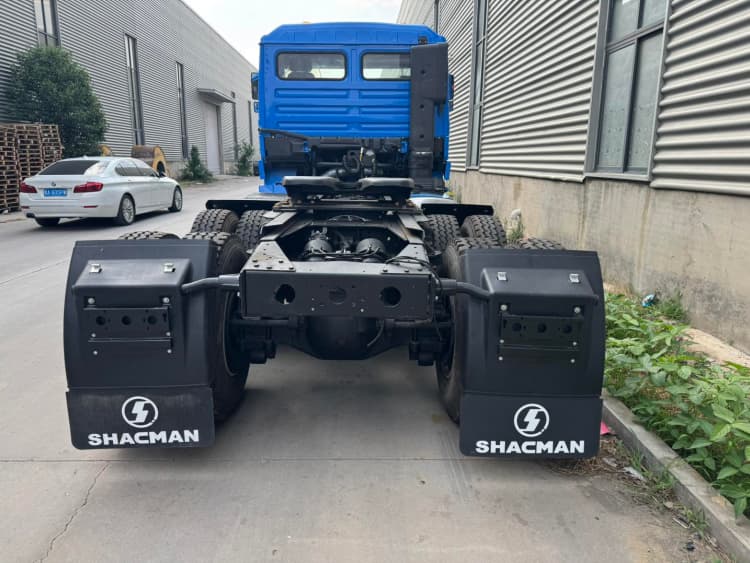
Frequent turnover means the fleet regularly sells assets. Unverified overhauled or refurbished trucks suffer steep, unpredictable discounts at resale. Formally reman trucks carry transparent rebuild proof. Secondary buyers understand the rebuild scope and quality benchmark, so pricing is more stable. The fleet can forecast exit value ahead of purchase, making each project’s TCO calculation reliable.
Uniform quality reduces operational chaos during rotation
Fleets cycling assets quickly often mix incoming and outgoing trucks. If new additions have inconsistent handling, braking and hydraulic behaviour, driver training and rostering become burdensome. REMAN ROAD formally remanufacturing standardises calibration and component specs across matching models. Whether the truck is new to the fleet or redeployed, drivers and maintenance teams know what to expect. This reduces onboarding friction and safety risks during rapid fleet changeover.
Final takeaway
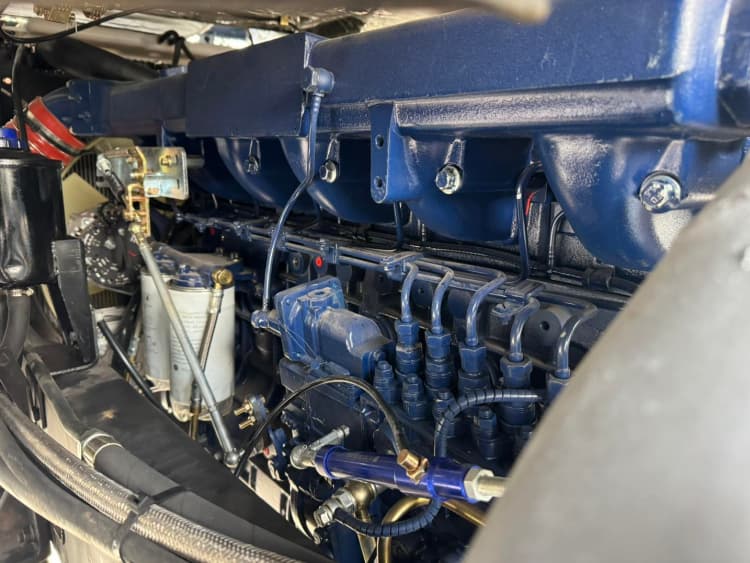
REMAN ROAD formally remanufacturing suits high-turnover fleets through faster delivery, transferable audit documentation, stable residual value and consistent unit performance. It removes many sourcing and exit headaches that come with buying new or unvetted used trucks for short-cycle contract haulage.