
Key Points for Heavy Duty Trucks Eligible to Enter the Remanufacture Workflow
Introduction
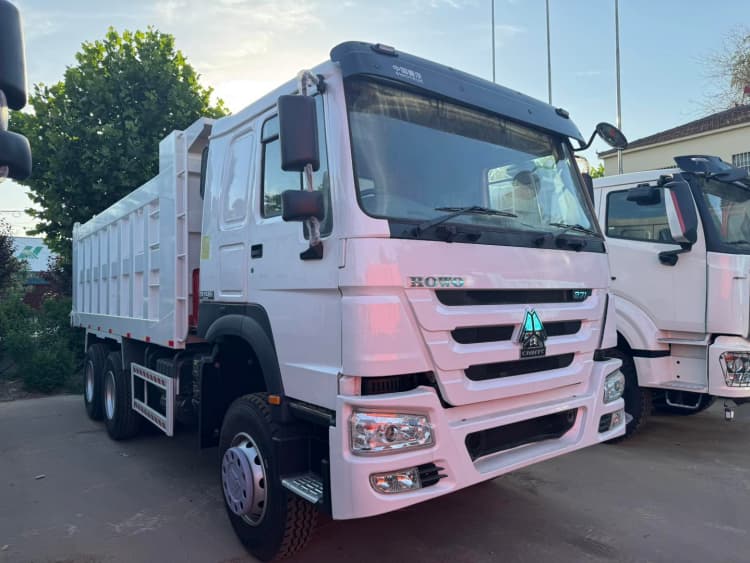
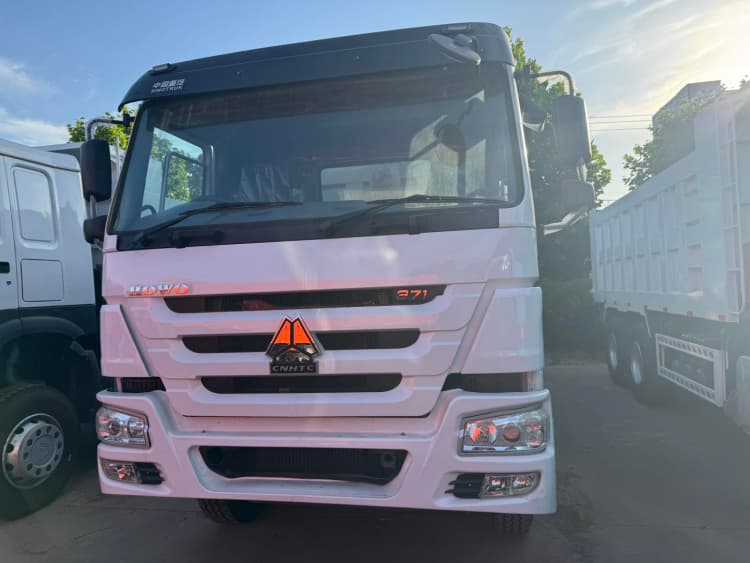
Not every retired heavy-duty truck can become a qualified remanufactured trucks. Core vehicle screening is the first gate of the remanufacture workflow. Before disassembly, inspectors evaluate whether the truck core retains usable base substrates and meets minimum technical thresholds.
Only heavy trucks passing this pre-selection inspection are eligible to enter the remanufacture workflow. Units with irreparable structural damage or excessive material fatigue will be rejected and sent for raw material recycling instead. This article outlines all key screening points for core truck selection.
Main Chassis Frame & Cross-Member Eligibility Criteria
- No through-thickness corrosion, large-area pitting or perforation on main frame beams and cross members. Remaining steel thickness must satisfy OEM minimum specification verified by ultrasonic thickness testing.
- No major bending, twisting or permanent frame deformation beyond jig correction limits.
- No critical cracks, fractures or poor field-cut rewelds on high-stress zones: spring hanger brackets, U-bolt holes, fifth wheel mounting points and reinforcement joints. Minor repairable defects must be fixable per WPS/PQR and pass post-repair NDT inspection.
- Frame material metallurgy intact; no material embrittlement from overloading, fire or chemical corrosion.
Engine Core Eligibility Criteria
- Cylinder block and cylinder head: No large cracks, porosity or deep corrosion that cannot be repaired. Minor repairable cracks must be confirmed by NDT.
- Crankshaft and connecting rod: No fatigue cracks detected by UT/MT inspection. Journal wear within OEM remachining allowance. If wear exceeds the maximum machining limit, reject the core.
- No severe seizure, fire damage or long-term overheating that permanently deforms the casting structure.
- Internal corrosion and sediment can be removed via industrial cleaning; blocked coolant or oil passages must be recoverable.
Axle, Driveline & Suspension Core Eligibility Criteria
- Axle housing: No cracks, burst openings or heavy corrosion. Housing wall thickness above minimum threshold.
- Gear sets: No tooth breakage, severe pitting or spalling beyond reconditioning limits.
- Leaf springs, shock brackets and steering knuckles: No fatigue cracks. Bent components must be assessed for straightening feasibility.
- Steering knuckle: NDT screening required; any critical crack disqualifies the core.
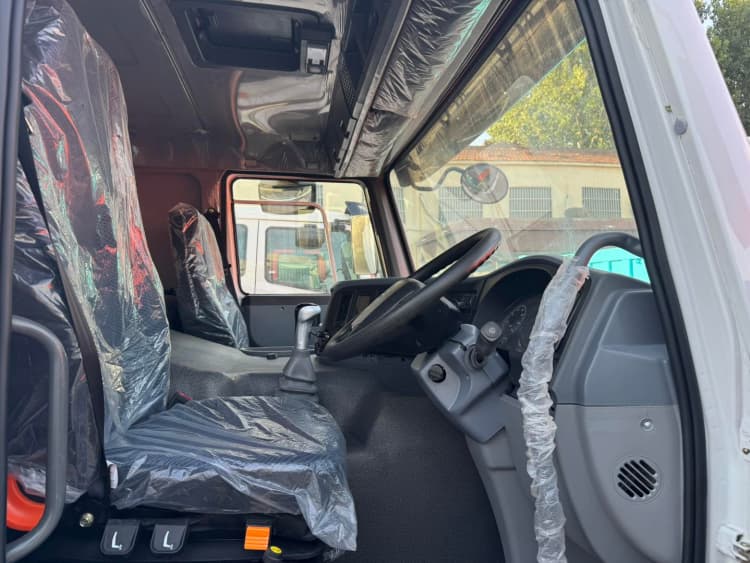
Cab Core Eligibility Criteria
- Cab main skeleton (A/B pillars, rear wall, floor) without serious collision rupture or cut-and-weld structural modifications.
- Floor panel: No large perforated corrosion; local rust can be cut and patched if the main structural integrity remains intact.
- Cab pivot and lifting frame: No major bending or cracked welds.
- Fire damage, acid corrosion or severe impact damage to cab structure will lead to rejection.
Fuel, Hydraulic & Brake System Core Screening
- Hydraulic cylinders, pump housings and brake air tanks: No through corrosion or cracking.
- Fuel tank: No perforation; heavy internal sediment can be cleaned.
- Cast valve bodies: No cracking or permanent deformation. Seals and hoses will be fully replaced during reman, so aging rubber parts do not disqualify the core.
History & Usage Background Check
- Core vehicle service history review: Avoid units with long-term 24/7 extreme overload, fire accident, major crash or prolonged operation under severe corrosive environments.
- Mileage and working-hour records: High hour units are not automatically rejected, but fatigue inspection standards become stricter.
- VIN and identity verification: Confirm legal ownership and clear title before entering the remanufacture workflows.
Pass / Fail Rule for Core Screening
- Eligible: Base metal substrates (frame, engine block, axle housing) are intact, repairable and within OEM dimensional limits. Fatigue defects are limited and fixable. The core can be restored to near-new performance after full remanufacture workflows.
- Rejected: Irreparable structural cracks, through corrosion, fire/collapse damage, base material deformation beyond repair. These cores cannot enter the remanufacture workflow and should go for material recycling.
Why This Pre-Screening Gate Matters?
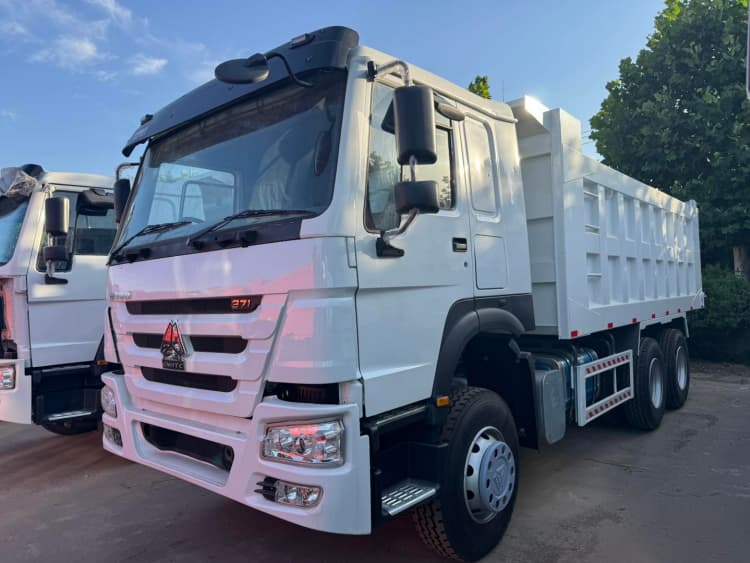
Poor core selection is the root cause of low-quality fake remanufactured trucks. If factories skip strict core inspection and feed heavily damaged trucks into the remanufacture workflows, hidden structural risks remain even after cosmetic restoration.
Qualified core screening guarantees the technical foundation for qualified remanufactured trucks, controls reman production cost, and ensures the final remanufactured trucks can reach the defined performance benchmark and warranty life.
Conclusion
Before heavy-duty trucks enter the remanufacture workflow, core eligibility screening focuses on structural integrity of chassis, engine, axle and cab, together with usage history verification. The key principle: the base metal substrate must be recoverable. Parts that are fatigued or worn beyond repair will be scrapped, while reusable components go through disassembly, reconditioning, replacement of fatigue parts and full testing. Fleet buyers can request the original core inspection report as part of the complete traceability reman dossier for each finished remanufactured trucks.