
Why Audited Remanufacturing Is a Proven Solution for Remote Off-Road Hauling Operations?
Intro
Remote off-road hauling sites — isolated quarry, mining, road construction and remote aggregate projects — operate under a punishing set of constraints. Service technicians are scarce, spare parts stock is limited, and expedited freight can take days or weeks to arrive. A single unexpected truck failure does not merely trigger a repair bill; it can halt material movement, delay milestones and expose the operator to liquidated damages. Ordinary used trucks carry latent defects that make this risk constant. REMAN ROAD Audited remanufacturing addresses these unique remote-site constraints by shifting reliability from luck to a documented, repeatable standard.
Remote Operations’ Unique Vulnerability to Unplanned Failure
On easily accessible sites, a broken truck can be towed to a regional workshop, and emergency parts can be rushed in overnight. Remote off-road locations lack this safety net. Road access may be restricted, towing heavy dump trucks difficult and expensive, and local technicians often lack familiarity with specialised heavy-vehicle powertrains.
When a hidden fatigue crack or failed bearing surfaces unexpectedly, the site is stuck waiting for parts, specialist labour or both. The longer the downtime, the greater the ripple effect across the whole production sequence. Excavators, crushers and loading crews remain idle, while fixed-contract deadlines continue to count down. This environment penalises unpredictable failure more heavily than almost any other haulage application.
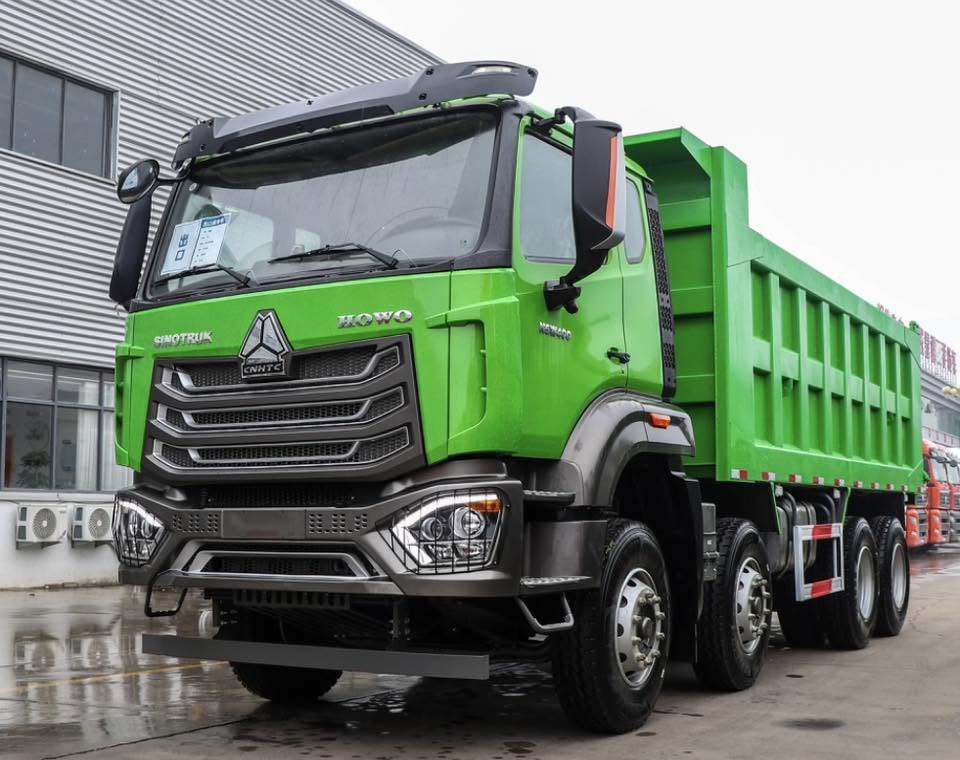
Full Audit and NDT Screening Eliminates Latent Defects Before Deployment
The core advantage of audited remanufacturing for remote fleets is that high-risk failure points are removed before the truck is dispatched to site. Every critical load-bearing component undergoes NDT inspection, powertrain and brake assemblies are fully disassembled, worn or fatigued parts are renewed, and assemblies pass automated bench testing.
This catches microcracks, material fatigue and degraded internal components that a simple visual inspection cannot reveal. For remote sites, this pre-emptive quality gate is invaluable. It reduces the chance of the truck arriving functional and then failing suddenly after only a few hundred operating hours, when returning it to a workshop is logistically painful.
Standardised Parts Reduce Remote Inventory and Sourcing Risk
Remote warehouses cannot stock every obscure spare part for a mixed fleet of ad-hoc used trucks. REMAN ROAD audited remanufacturing builds each same-grade, same-model unit against a fixed bill of materials. Wear parts, seals, bearings, filters and brake kits are interchangeable across the fleet.
The site only needs to hold a small, curated set of critical spares, rather than a huge inventory of one-off, obsolete components. If a replacement part is needed, the specification is known and predictable. The procurement team can pre-stage the correct service kits before the truck mobilises to the remote site, instead of scrambling to identify a non-standard part number after a failure occurs.
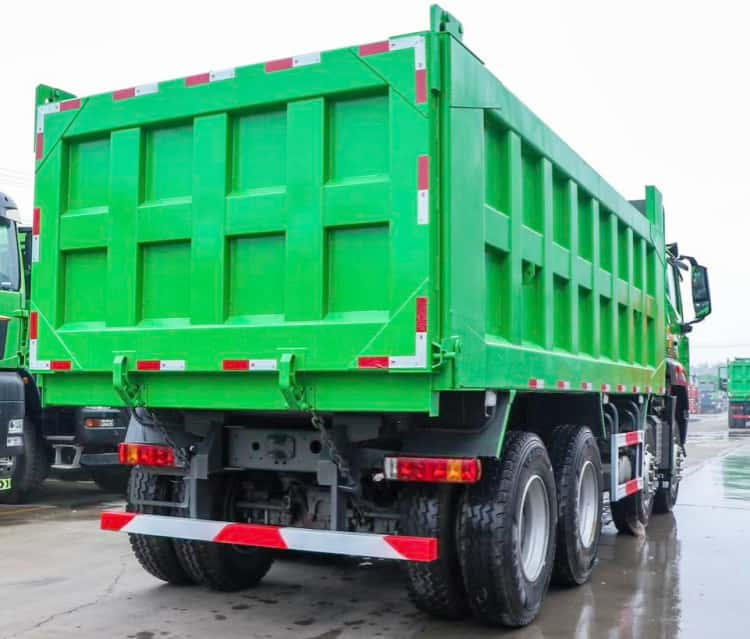
Complete Auditable Reman Dossier Supports Limited On-Site Diagnostics
Remote maintenance teams are often generalists, not heavy-truck powertrain specialists. Without service history, troubleshooting a complex fault becomes slow and guesswork-heavy. The bound digital auditable reman dossier travels with the VIN: assembly logs, torque records, test cycles, component replacement lists and duty-grade limits are all accessible.
When a fault appears, technicians can quickly reference what was renewed, what tolerances were set and what operating envelope the truck is rated for. This cuts diagnostic time dramatically. It also supports remote technical support: off-site specialists can review the rebuild record and telematics data to guide the local team, without the truck needing to travel hundreds of kilometres for assessment.
Warranty and Clear Accountability Simplify Remote Claims
In remote settings, disputes over who is liable for a mechanical failure compound downtime. For uncertified used trucks, there is no recourse; the fleet absorbs the full cost of labour, parts and lost production. Audited remanufacturing comes with defined, transferable warranty terms covering rebuild defects. If a covered failure occurs, the support process is predefined.
The operator does not need to argue over whether the issue was pre-existing or caused by prior abuse. This predictable liability framework is especially important for tender-based remote projects, where margin is thin and the business case cannot absorb unbudgeted major component replacements.
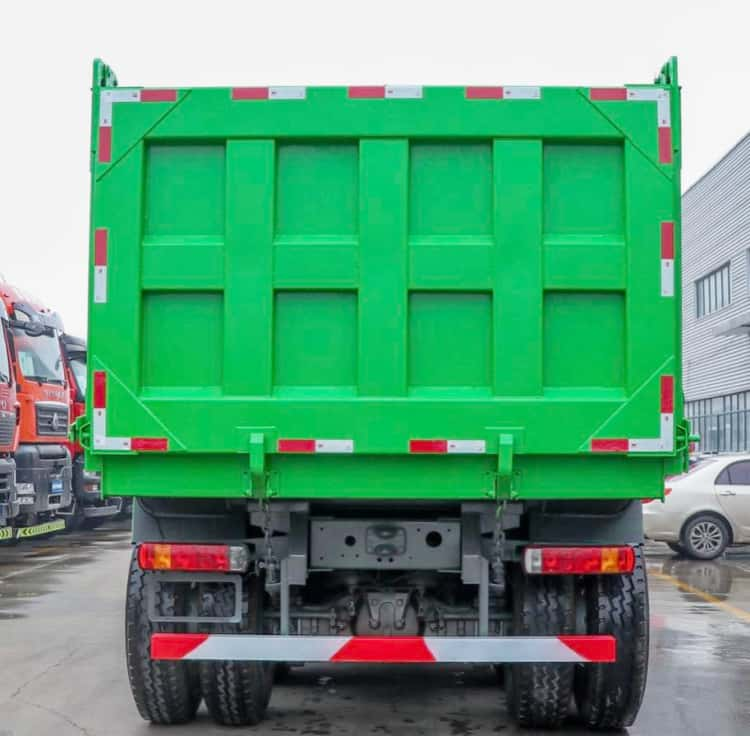
Duty Grading and Telematics Guard Against Accelerated Wear
Remote sites often push trucks hard, with steep gradients, abrasive surfaces and long shift cycles. Without clear operating limits, even a well-built truck can be overloaded into rapid fatigue. Each audited reman trucks carries a published duty grade, paired with telematics monitoring that tracks payload, engine load, vibration and operating cycles.
Fleet managers can enforce the rated envelope from afar. This prevents operators from burning out assets prematurely. In remote locations, the opportunity to misuse a truck is high, and the consequence of accelerated wear is disproportionately costly. The grade and monitoring create a guardrail that protects the asset’s usable life.
Boundary Note
Audited remanufacturing is not immune to collision damage, fuel contamination, poor lubrication or operation outside duty limits. It does not turn a remote site into a low-risk operating environment. What it removes is the avoidable risk of latent rebuild defects and undocumented prior damage — the failure category that is uniquely punishing in locations with weak service infrastructure.
Q&A
Q: Is audited remanufacturing still valuable if the site has a dedicated on-site mechanic? A: Yes. Even skilled mechanics benefit from standardised parts and a full rebuild record. The biggest gain is fewer emergency failures, not just faster repairs after failure.
Q: Does this replace the need for standby trucks on remote sites? A: It reduces the number of standby units required. Standby capacity is still prudent for remote hauling, but audited remanufacturing lowers the baseline failure rate and the frequency of emergency events.
Q: Can these audited reman trucks be exported to remote cross-border project sites? A: Very well suited. The full auditable reman dossier serves as shared proof of condition for overseas clients, and standardised parts simplify cross-border spare-kit mobilisation.