
How ECO Friendly Remanufacturing Reduces The Carbon Embodiment of New Fleet Additions?
Intro
Most fleet carbon reporting focuses on tailpipe fuel emissions, ignoring the large embodied carbon locked into every new truck purchase. REMAN ROAD certified eco friendly remanufacturing delivers usable fleet capacity without the heavy carbon cost of building a brand-new unit, giving operators a verifiable way to lower Scope 3 emissions when expanding their fleet.
Where Embodied Carbon Comes From for New Heavy Trucks?
A new heavy-duty truck carries massive upfront carbon load. This includes emissions from iron ore and bauxite mining, smelting steel and aluminium, casting engine blocks, forging axles, manufacturing tyres, plastics and fluids, plus factory energy and component logistics. This carbon is released before the truck turns a wheel.
When you add new trucks to your fleet, you immediately add this full embodied carbon footprint to your supply chain inventory, even if the vehicle runs efficiently. For mining, infrastructure and haulage clients with strict Scope 3 KPIs, these capital goods emissions are audited and scored.
ECO Friendly Remanufacturing Preserves the High-Carbon Core Assets
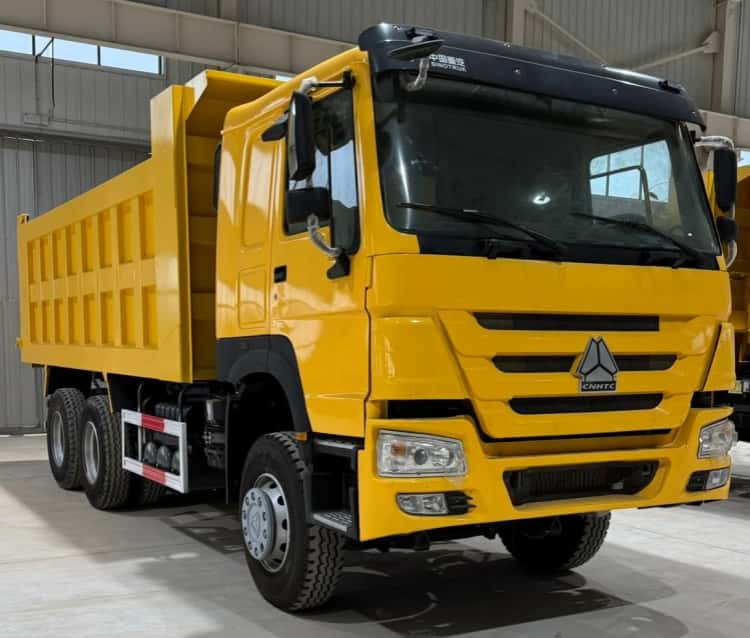
REMAN ROAD Eco friendly remanufacturing does not melt the original chassis, axle housings, engine block and major castings back into scrap. Instead, the core asset is retained, fully disassembled, NDT-inspected, repaired where permitted, and rebuilt to a fixed standard. Only wear components such as seals, bearings, hoses and gaskets are renewed.
The most carbon-intensive parts of the truck are kept in productive service. This bypasses the most emission-heavy stages: raw material extraction, metal smelting and primary casting. The result is far lower embodied carbon per added capacity unit.
The Critical Difference: Reman vs Recycling
Recycling still requires reprocessing scrap metal, which consumes energy and releases emissions. Eco friendly remanufacturing keeps the finished engineered asset intact. That is why circular scoring frameworks recognise reman as higher-impact than scrap recycling for carbon reduction.
REMAN ROAD’s digital VIN dossier records which core assemblies are retained, which components are replaced, and the estimated embodied carbon avoided. This is not a generic green claim; it is auditable data for ESG reports and tender evaluation.
Consistent Quality Means Carbon Savings Are Not a Compromise
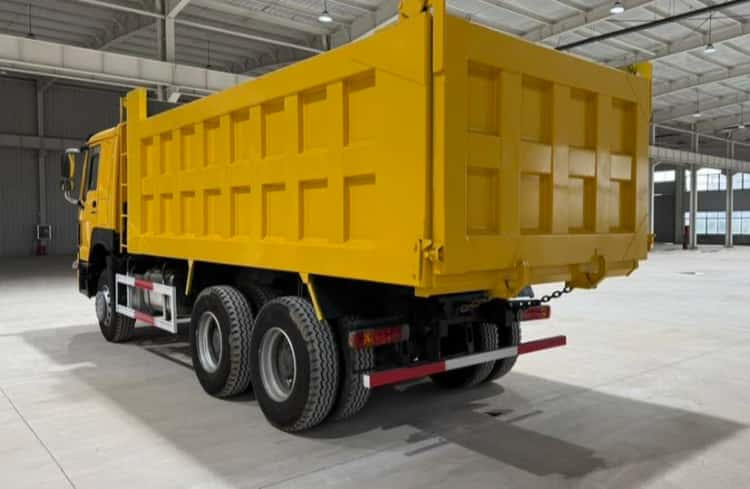
A common sustainability pitfall is choosing low-quality second-hand trucks to cut carbon, only to face early failures, extra repair cycles and more waste. REMAN ROAD’s unified inspection, bench testing and warranty remove this trade-off.
Each eco friendly reman trucks meets a defined duty grade and reliability baseline. The carbon saving is secured without accepting higher downtime risk or shorter service life. Fleets can expand capacity while hitting both operational and ESG targets.
Tender and Supply Chain Audit Advantage
Many major project owners now require suppliers to report embodied carbon for capital equipment. Using REMAN ROAD Eco friendly remanufacturing lets you submit quantified avoided emissions for every fleet addition.
This differentiates bids from competitors who only buy new trucks or uncertified used stock with no traceable circularity data. It supports compliance with green procurement rules, sustainability pre-qualification and client Scope 3 reduction roadmaps.
Clear Boundary: Reman Does Not Eliminate Operational Emissions
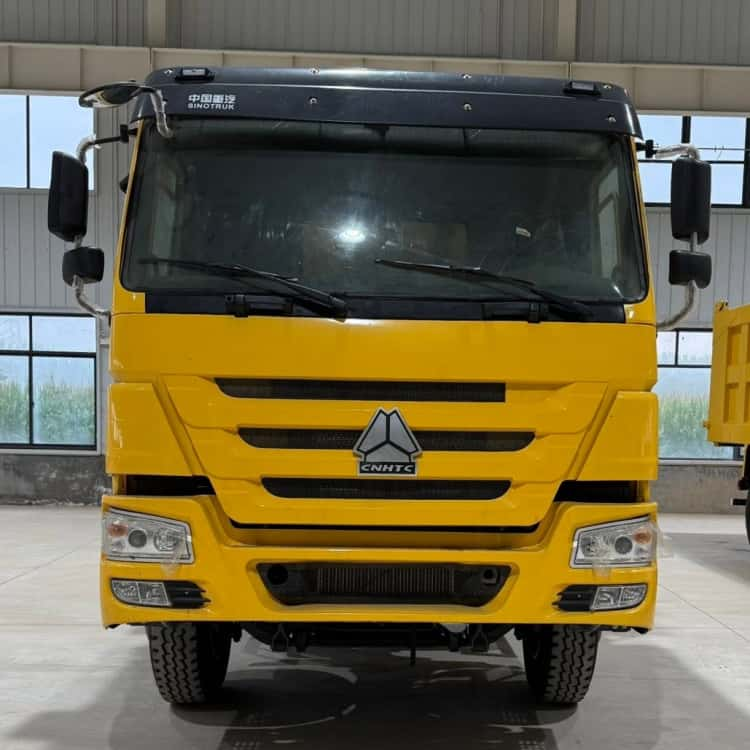
Embodied carbon reduction addresses the manufacturing carbon, not tailpipe CO₂ from fuel combustion. A reman diesel truck still burns fuel during operation. For clients targeting full decarbonisation, eco friendly remanufacturing is a near-term, cost-effective lever while electrification infrastructure and electric heavy-duty supply chains mature. It reduces the carbon penalty of adding capacity today.
Q&A
- Q: Can the embodied carbon savings be included in our ESG reporting? A: Yes. The VIN-linked dossier provides documented scope for retained core assemblies and estimated avoided emissions, suitable for third-party audit and sustainability disclosures.
- Q: Is eco friendly reman trucks’s carbon saving the same for every truck model? A: The baseline saving varies by model and rebuild scope. REMAN ROAD calculates model-specific embodied carbon avoidance based on retained high-value structural and powertrain components.
- Q: Does choosing reman affect warranty or duty performance? A: No. Carbon reduction is a secondary outcome of the audited rebuild standard. Warranty, duty grading and QA protocols remain unchanged.