
How Certified Industrial Reman Supports Flexible Lease and Trade-Back Asset Strategies?
Introduction
Many fleet owners want asset strategies that are not limited to outright purchase. Leasing and trade-back arrangements give operators room to adjust capacity as project cycles shift, but these models rely heavily on predictable residual value and verifiable vehicle condition. Without standardised proof of rebuild quality, lessors and trade-back providers face valuation uncertainty and are reluctant to offer flexible terms. REMAN ROAD certified industrial reman addresses this gap, creating auditable, grade-classified assets that work smoothly within lease, rental and trade-back frameworks.
Clear Condition Grading Reduces Lease-End Dispute Risk
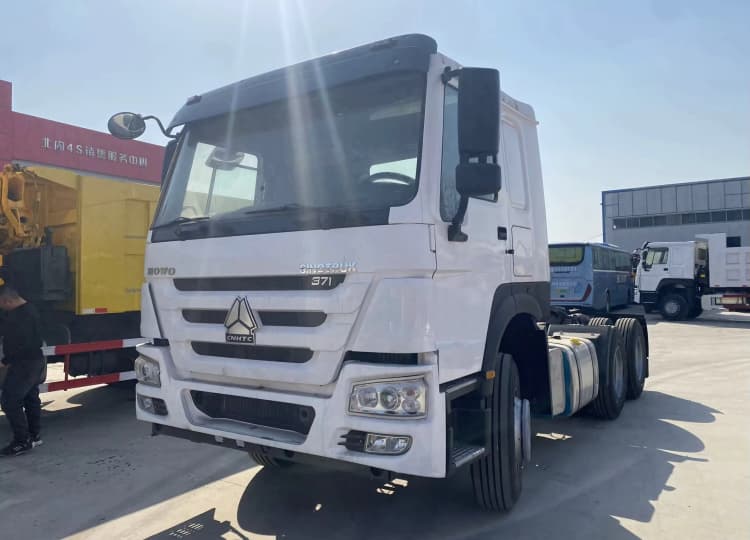
Traditional leases often generate friction when vehicles are returned. Lessors and lessees may disagree over what counts as normal wear versus poor maintenance or hidden mechanical defects. Certified professional reman trucks come with a fixed duty classification and a full rebuild passport that defines the baseline condition at lease start.
All NDT structural reports, dyno results, component replacement logs and post-test records are tied to the VIN. At lease-end, inspectors compare the returned truck against this documented baseline, rather than relying on subjective judgement. This removes many of the costly disputes over damage charges and end-of-term deductions.
Stable Residual Value Makes Lease Pricing Easier
Lease payments are calculated based on the difference between the acquisition price and the pre-agreed residual value. Lenders and leasing companies hesitate to set favourable residual values for undocumented used or casually refurbished trucks, because their future worth is hard to estimate. Certified industrial reman’s traceable build history gives valuation teams a consistent benchmark.
The predictable depreciation curve supports realistic residual value assumptions, which can translate into lower monthly lease payments and more flexible lease tenors. Operators can choose shorter-term leases for project-based work without facing punitive residual discounts.
Trade-Back Programmes Depend on Reusable Asset Quality
Trade-back strategies let fleets hand in older units to upgrade capacity, rather than handling private resale. This works well only when the traded asset still has verifiable market value and can be re-circulated into the supplier’s fleet pool.
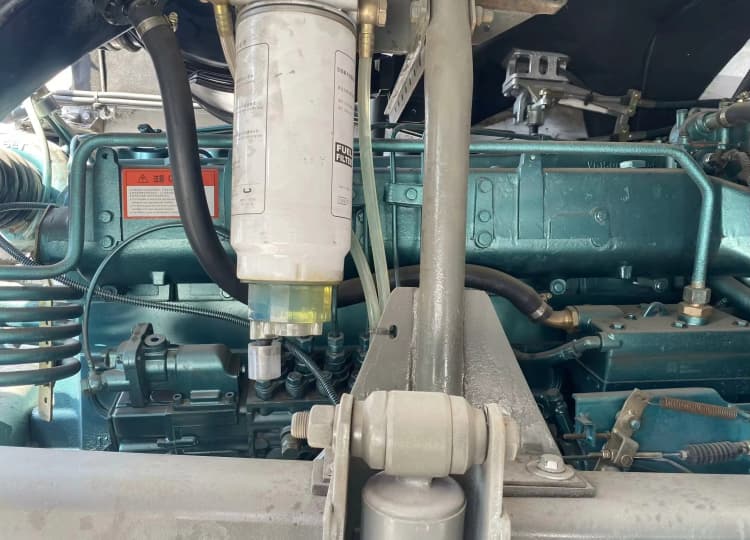
Professional reman trucks under REMAN ROAD standards is built for repeated lifecycle reuse. When the fleet trades it back, the supplier can quickly validate its history, re-test critical systems and redeploy it to another customer. This closed-loop capability makes trade-back offers more attractive and more consistent, instead of lowball offers driven by unknown risk.
Certified Assets Fit Variable Capacity and Project Fleets
Short-term leases, rolling leases and project-specific trade-back cycles are ideal for contractors whose workload rises and falls with tender wins. New trucks locked into long ownership cycles are rigid and expensive to exit. Uncertified used stock is hard to lease out because lessors cannot trust reliability.
Certified industrial remanufacturing sits in the middle: it delivers heavy-duty performance, comes with warranty coverage and supports flexible contract structures. Operators can add trucks for a six-month earthmoving project, return them at the end, or trade them up to higher-duty units once the next contract lands.
Unified Documentation Simplifies Portfolio Valuation for Lessors
Leasing companies manage large vehicle portfolios, and every asset needs regular valuation for balance sheet and risk reporting. A portfolio mixed with random used trucks creates heavy administrative overhead. When the fleet is built from standardised REMAN ROAD professional reman trucks, the lessor can apply a consistent valuation framework across the whole group.
Audit records are digital and shareable, speeding up periodic portfolio reviews and reducing the work required to approve new lease applications. This operational efficiency encourages leasing providers to offer reman-focused product lines.
Conclusion
Certified industrial remanufacturing enables flexible lease and trade-back strategies by delivering consistent, auditable asset quality and predictable residual value. Standardised condition records reduce end-of-lease disputes, support realistic lease pricing and make trade-back programmes commercially viable.
For project-driven contractors, this means greater agility to scale fleet capacity up or down without being trapped in rigid ownership commitments or unpredictable resale risk.