
How Consistent Remanufacturing Decreases Spare Parts Complexity for Mixed Fleets?
Introduction
Mixed fleets often combine original-new trucks, random used purchases, differently refurbished units and multiple OEM model variants. For fleet supervisors and parts teams, this creates a persistent operational headache: different component generations, mismatched part numbers, conflicting service specs and scattered supplier sources. Even for trucks of the same model, inconsistent rebuild standards mean replacement parts are rarely interchangeable.
REMAN ROAD’s consistent remanufacturing framework normalises rebuild specifications, helping mixed fleets simplify parts stocking, reduce lookup delays and remove the risk of installing incompatible components.
Standardised Component Specifications Reduce SKU Bloat
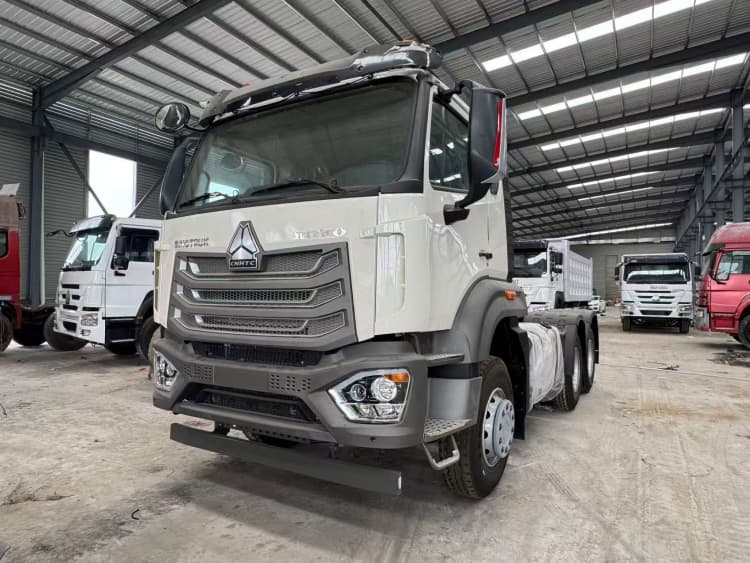
Unregulated repair and casual refurbishment keep old, mixed-spec hardware in circulation. A single chassis or engine family may end up with a patchwork of modified pistons, injectors, brake callipers and hydraulic valves, each requiring its own unique spare part number. Every unique SKU adds carrying cost, storage space and capital tied up in slow-moving inventory.
Consistent remanufacturing rebuilds enforce a fixed approved component list for each truck duty class. Where feasible, technicians upgrade to a common, validated revision during the reman process. Over time, the fleet can phase out obscure, one-off parts and shrink the total number of stock items they need to hold.
Interchangeability Eases Emergency Breakdown Response
When a mixed fleet runs inconsistent rebuilds, roadside or workshop repairs can stall because the available spare does not match the modified configuration on that specific truck. Technicians waste time cross-referencing serial numbers, contacting suppliers and waiting for special-order parts.
With standardised consistent remanufacturing, units within the same classification share matching core powertrain, brake and hydraulic components. A spare engine filter, brake assembly or hydraulic pump pulled from stock can reliably fit multiple reman trucks. This interchangeability speeds up repairs, shortens downtime and reduces the need for expensive emergency expedited parts shipments.
Simplified Service Schedules and Technician Knowledge
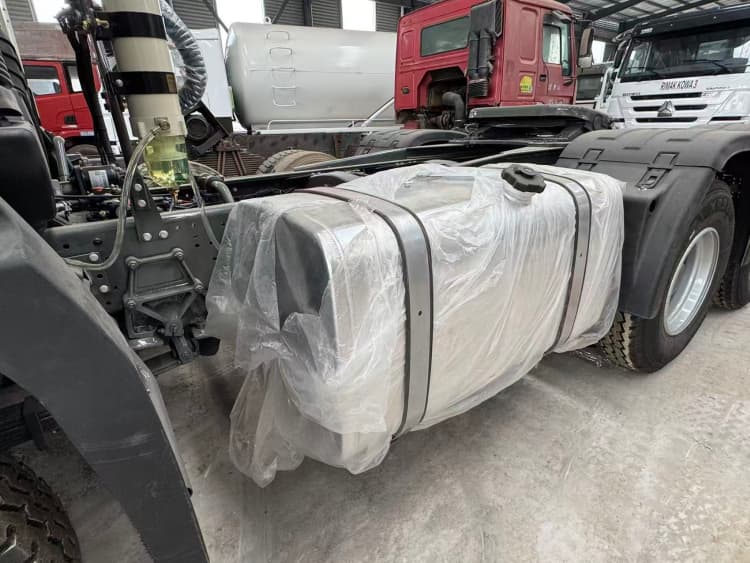
Mixed configurations also complicate maintenance planning. If two trucks of the same model have different injector specs or brake overhaul thresholds, maintenance planners must track separate service clocks and procedures. Technicians need to memorise dozens of variant rules, which increases human error.
Consistent remanufacturing comes with unified service intervals, torque settings and replacement guidelines per duty classification. Workshop teams learn one standard rebuild and maintenance routine instead of a fragmented set of rules. This lowers training burden, reduces mis-service mistakes and makes shift handovers easier for multi-crew workshops.
Clear Traceability Records Eliminate Guesswork During Part Replacement
Even with careful stock control, undocumented rebuilds leave parts teams guessing what was fitted in prior repairs. Traceable reman documentation logs every component installed, its part number and its approved replacement alternative, linked directly to the VIN.
Before ordering a replacement, the parts officer can check the asset passport and confirm the correct compatible part without relying on visual guesswork or old, unreliable service notes. This avoids costly errors such as ordering the wrong injector set or brake lining, which waste money and delay work.
Optimised Inventory Strategy and Reduced Capital Lock-Up
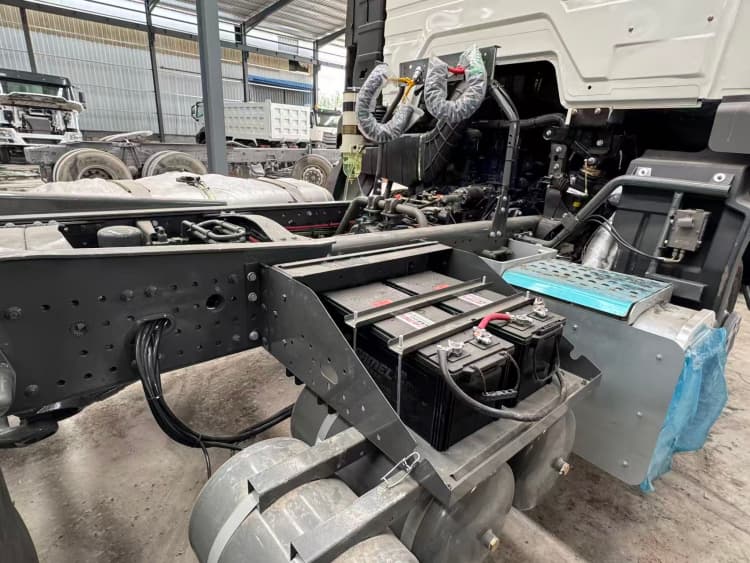
Fleets trapped in high parts complexity often overstock just to cover all possible variants. This ties working capital into spare parts that may sit unused for months or years. By gradually converting the mixed fleet to consistently built reman trucks, managers can shift from a “just-in-case” inventory model toward a leaner, planned stock profile.
Common parts can be held in higher volume for better supplier pricing, while rare, niche parts are phased out. The result is lower inventory value, less obsolescence risk and more cash available for fuel, labour and site operations.
Conclusion
Consistent remanufacturing simplifies spare parts management for mixed fleets by standardising component specs, improving cross-unit interchangeability, unifying service procedures and anchoring every part change to traceable records.
It cuts SKU proliferation, reduces ordering mistakes, speeds workshop repairs and frees capital trapped in bloated spare stock. For fleets juggling multiple vehicle histories and rebuild standards, consistent remanufacturing turns a chaotic parts operation into a predictable, controllable system.