
Why Heavy Duty Reman Truck Reduces Costly Spot Rental Reliance During Peak Production?
Introduction
Peak production periods create urgent pressure for fleets to add extra truck capacity quickly. Many operators default to spot rental vehicles, which carry premium pricing, inconsistent mechanical condition, limited availability and unclear maintenance histories. Standardised heavy duty reman trucks from REMAN ROAD offer a controllable, owned alternative that smooths capacity spikes while removing the financial and operational risks tied to last-minute rental stock.
Spot Rental Hidden Costs During Peak Work
Spot rental rates surge sharply when demand rises, often with short minimum hire terms and extra charges for overtime, delivery, breakdown support and damage waivers. Rented trucks are frequently overworked, poorly maintained and not matched to your site duty classification. Unexpected roadside failures halt hauling sequences, delay pour schedules and trigger liquidated damages on fixed-term projects. These indirect downtime costs often outweigh the headline rental fee.
Reman Trucks Deliver Planned, On-Demand Capacity
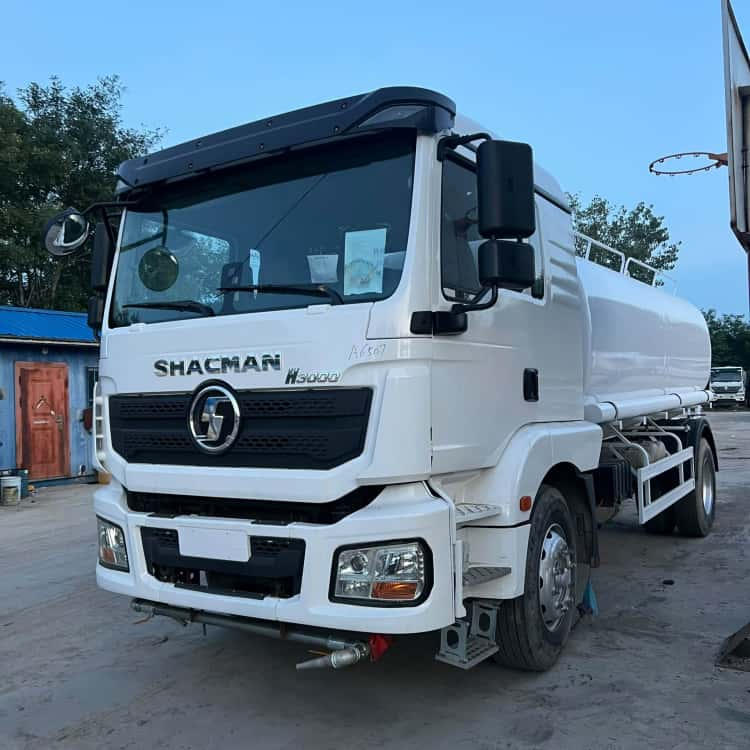
A fleet of certified heavy duty reman trucks gives you standby capacity you own, rather than borrowing at peak market rates. Every unit goes through a full lifecycle reset, NDT structural inspection, dyno engine validation and standardised functional testing before handover. Duty ratings are clearly documented, so dispatch teams assign each truck to suitable haul tasks without guessing its mechanical limits. You can activate these heavy duty reman trucks immediately when production ramps up, instead of waiting for rental suppliers to source and deliver available stock.
Predictable Maintenance Reduces Emergency Breakdown Risk
Genuine heavy duty remanufacturing follows a fixed wear baseline and scheduled maintenance regime, unlike random rental stock with unknown service records. Traceable test certificates and component replacement logs let maintenance teams plan parts and service windows ahead of peak season. Fewer unplanned failures mean fewer sudden gaps in hauling chains. This reliability is critical when project timelines are tight and every truck in the rotation directly impacts daily output.
Better Cash Flow and Long-Term Asset Value
Spot rental is pure operating expense with zero residual value once the contract ends. Certified heavy duty reman trucks are balance-sheet assets that hold predictable residual value thanks to standardised build quality and full traceability records. Financing terms are usually more stable than volatile rental pricing. Over successive peak cycles, the total cost of owning reman standby capacity beats repeated spot rental outlay, especially for operators facing recurring seasonal or project-based demand spikes.
Compatibility with Cross-Site and Short-Term Project Use
Many peak workloads come from temporary construction, quarry or earthmoving contracts. REMAN ROAD heavy duty reman trucks come with complete compliance documentation, making them easier to deploy across sites and even cross-border where certification is required. When the peak phase ends, you can scale back by reallocating the truck to regular work, or resell it via the documented secondary market, rather than returning rental vehicles and losing all the money spent on hire.
Conclusion
Heavy duty remanufacturing removes the need to rely on expensive, unpredictable spot rental capacity during peak production. It gives fleets controllable, pre-vetted haul assets with known reliability, fixed maintenance schedules and residual value. For contractors and mining operators facing recurring demand surges, this circular asset strategy stabilises operational costs, protects project schedules and improves overall fleet resilience.