
How Standard Reman Trucks Simplifies Cross-Site Asset Rotation for Multi-Site Fleets?
Intro
Fleets operating across multiple construction sites, mining zones or regional haul hubs regularly rotate trucks between locations to match shifting project timelines, peak tonnage demand and equipment downtime cycles. Asset rotation often becomes a logistical headache when the mixed fleet consists of disparate used vehicles and uneven informal rebuilds. Different specs, inconsistent repair histories, unique part fitments and site-specific maintenance knowledge force maintenance teams to relearn each truck, source special spare parts and revalidate compliance every time a unit moves.
REMAN ROAD standard reman trucks solve this pain point with unified engineering benchmarks, standard documentation and predictable performance characteristics. This consistency removes location-specific quirks from individual assets, so fleet coordinators can reallocate vehicles freely across sites without heavy administrative and technical overhead.
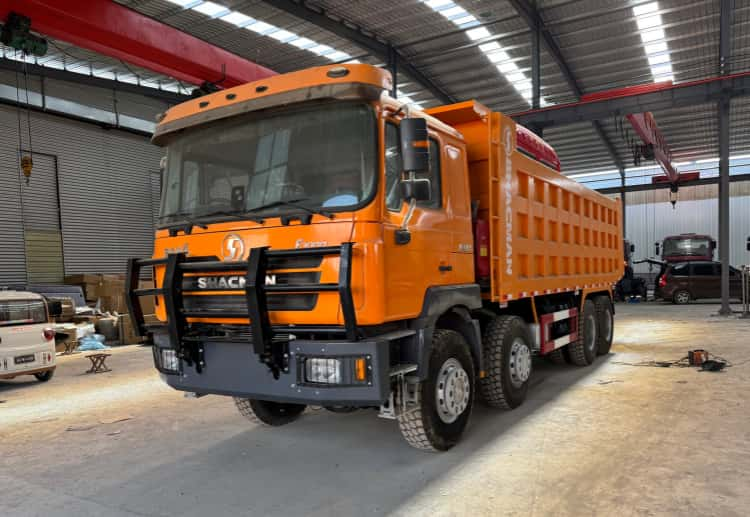
Uniform build and component specs remove site-specific adaptation work
When non-standard rebuilt trucks are transferred to a new site, local mechanics often discover modified wiring, non-original replacement assemblies or inconsistent brake and powertrain setups. These variations require separate diagnostic workflows and custom spare part stock.
Every REMAN ROAD standard reman trucks follows the same controlled bill of materials for core assemblies, including engine, transmission, axles and hydraulic systems. Regardless of which site the truck arrives at, technicians work with familiar component numbers, tolerances and service limits. There is no need for time-consuming pre-transfer inspections to map custom modifications, and the same spare-parts inventory pool works across all locations.
Shared maintenance schedules align service planning across all depots
Multi-site fleet chaos frequently arises when each location maintains its own ad-hoc service calendar for heterogeneous assets. Standard reman trucks carry condition-matched, predefined maintenance intervals categorised by duty cycle, not by individual truck quirks. Fleet managers can roll out a single group-wide service plan.
Whether a truck stays at the base yard or is rotated to a remote project camp, service milestones, lubricant specifications and inspection checklists remain unchanged. Maintenance supervisors can forecast labour, bay space and parts demand centrally, instead of rebuilding service plans every time an asset relocates.
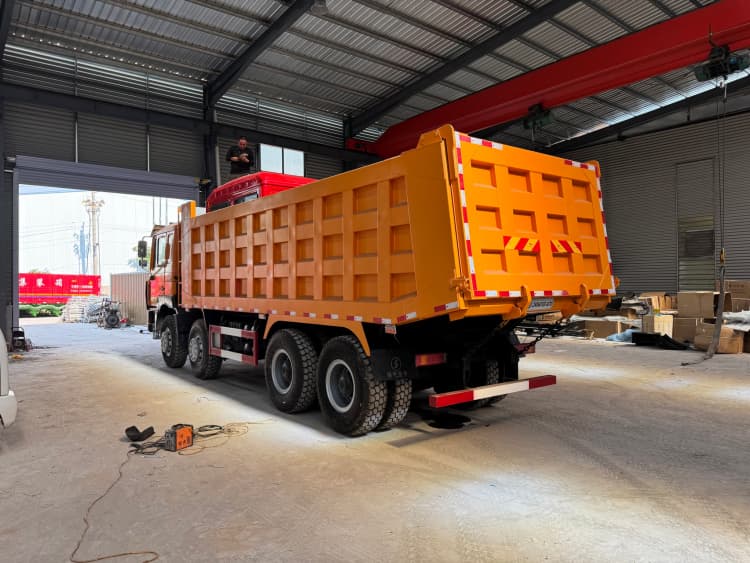
Portable, complete traceability package travels with every asset
One major risk of cross-site rotation is losing critical repair records when trucks move between separate depot systems. Without accessible history, the receiving site cannot tell what overhauls, tests or warranty coverage apply.
Each REMAN ROAD standard reman trucks has an independent, complete traceability dossier including NDT reports, dynamometer test results, component replacement logs and warranty terms. The digital record follows the asset, independent of local site filing systems. Receiving teams instantly verify quality status, remaining warranty and prior work, eliminating information silos between yards.
Consistent performance and safety baseline simplifies operator handover
Drivers rotating between sites, or trucks assigned to new operator teams, face steep learning curves with erratically rebuilt trucks that have unpredictable handling, power output or braking behaviour.
REMAN ROAD’s standard reman testing protocol locks in stable performance benchmarks. Power curve, braking response and load capacity are consistent across units of the same model grade. Operators adapt quickly, site supervisors can trust uniform safety performance, and the risk of human error caused by unfamiliar vehicle quirks is reduced during rapid asset redeployment.
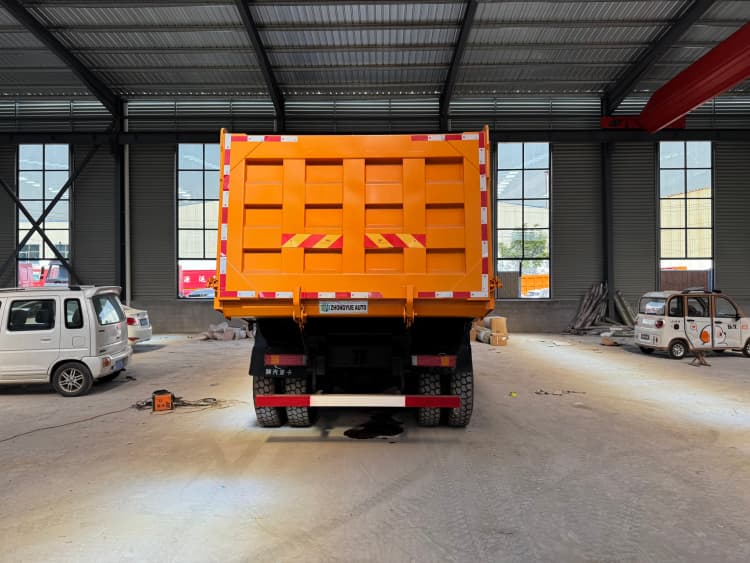
Unified acceptance criteria reduce disputes between sending and receiving sites
Internal friction often emerges when a truck is rotated out from one yard and rejected by the receiving team over differing quality expectations. standard reman trucks’s objective acceptance standards, grading rules and third-party audit evidence create a neutral shared reference.
Both sending and receiving depots use the same pass/fail metrics to assess asset condition before and after transfer. This removes subjective judgement, cuts internal negotiation delays and makes handover checklists fast and repeatable during urgent cross-site redeployment.
Closing
Cross-site asset rotation only works efficiently when assets are interchangeable. REMAN ROAD standard reman trucks turn unique, high-maintenance individual vehicles into modular, interoperable fleet units. With matching components, aligned maintenance rules and portable traceability records, multi-site fleet operators can shift capacity to wherever demand spikes, without rebuilding maintenance workflows, retraining teams or resolving handover disputes at every transfer. This modularity gives fleet planners far greater agility to respond to dynamic project schedules.