
Working Condition Matching: Selecting Suitable Reman Fleet Models
Intro
Many reman fleet buyers select reman trucks based on availability, brand familiarity or upfront cost, without mapping the vehicle’s rebuild specification to site realities. A reman truck built for smooth highway long-haul will degrade rapidly on abrasive, high-gradient mine haul roads. A unit calibrated for light construction duty cannot sustain cyclic heavy overburden work, even if its payload rating looks similar on paper.
Working condition matching is not just payload checking. It analyses the full operating profile and pairs it with a corresponding REMAN ROAD duty-class rebuild package. This article explains how to match reman fleet models to site working conditions.
First document the full operating profile, not just tonnage
Payload is only one variable. Before selecting reman truck models, capture these site parameters:
- Cycle type: steady highway run, cyclic stop-start mine haul, short-distance construction shuttle
- Terrain: gradient percentage, rough ungraded track, rocky surface, paved road
- Ambient environment: high dust, extreme heat, heavy rain, high humidity
- Average daily operating hours and continuous load duration
- Road maintenance standard and expected ground abrasion
This profile forms the reference baseline for duty classification. Without this data, model selection becomes guesswork.
Understand REMAN ROAD duty-class tiers
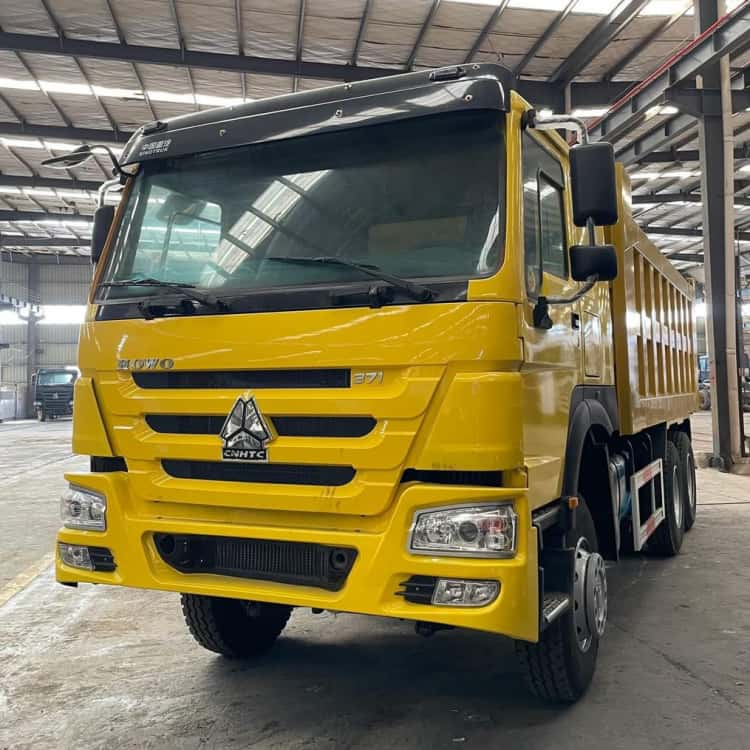
Each reman fleet model is rebuilt and validated against a fixed duty envelope, with dedicated hardware upgrades:
- Highway duty: Optimised for sustained speed, fuel efficiency, stable cooling, low vibration; suited for paved long-distance commodity transport.
- Medium construction duty: Balanced suspension, enhanced dust filtration, moderate gradient tolerance; for road building, quarry support and urban earthworks.
- Heavy cyclic mine duty: Reinforced suspension, heavy-duty cooling, high-capacity air intake, strengthened steering and brake packages; designed for repeated full-load climbing, rough tracks and 24‑hour site cycles.
The same base chassis can be rebuilt into different duty variants with different test standards and wear expectations.
Powertrain calibration and thermal matching
Engine tuning, cooling capacity and oil circuit design are tailored to the working condition. Mine cycles with repeated climbing create persistent high heat. REMAN ROAD heavy duty reman trucks get upgraded radiators, auxiliary cooling and revised thermal calibration to avoid overheating.
Highway reman trucks are tuned for cruise efficiency and steady-state fuel consumption. Putting a highway-calibrated powertrain into cyclic mine work causes recurring heat stress, injector degradation and accelerated bearing wear.
Filtration and sealing matched to dust and moisture
Dust is one of the biggest silent killers for heavy trucks in Africa. Heavy off-road reman packages include multi-stage air filtration, dust-proof hub seals, reinforced cab sealing and breather modifications. For wet, muddy sites, waterproofed electrical harnesses and corrosion protection are added during truck reman process.
Standard highway filtration cannot keep abrasive dust out of the engine and drivetrain on mine tracks, leading to early component failure.
Suspension, axle and brake specification matching
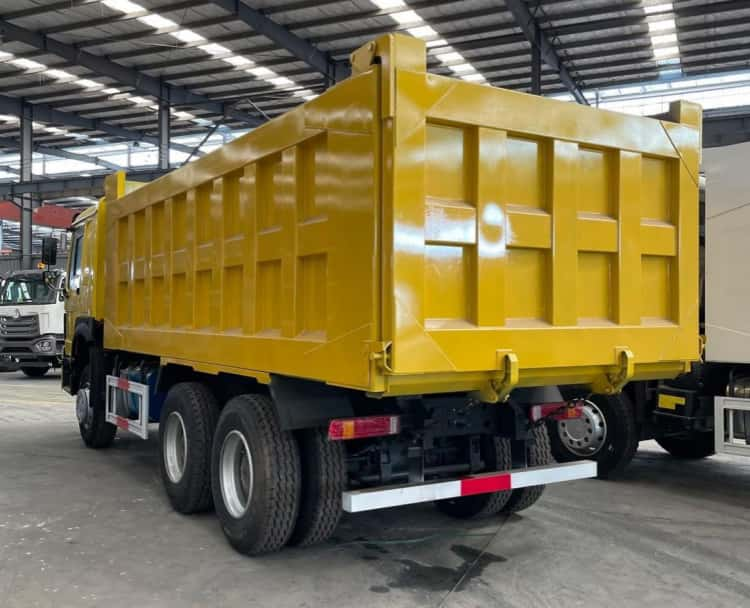
Suspension travel, axle load rating, brake size and brake cooling are selected for cycle shock. Shuttle mine trucks face constant impact loading and frequent stop-brake cycles, requiring heavy-duty brake assemblies and reinforced suspension mounts.
Long haul reman trucks prioritise ride stability and low rolling resistance instead of repeated shock absorption. Mismatched brakes lead to fade, while underrated suspension creates frame fatigue and premature structural damage.
Route geometry and cycle time as selection inputs
Even if the nominal payload is identical, short-cycle shuttle haul imposes far more stress than long-distance transport. Short cycles mean frequent acceleration, braking and direction changes, higher transmission and clutch wear.
Long haul reman trucks spend most of their time at steady speed. REMAN ROAD’s load simulation tests replicate the target cycle during validation, so the reman unit’s wear curve is modelled for that exact rhythm.
Align maintenance interval and spare package with the site
Once the duty class is selected, the maintenance schedule and recommended spare inventory follow. A mine-duty reman fleet gets shorter filter, oil analysis and brake inspection intervals, with a site spare kit focused on brakes, seals and suspension components.
Highway reman fleets use extended service intervals and stock consumables aligned to steady-speed wear. Matching the model also means matching the support package, so the workshop does not apply the wrong service rhythm to the fleet.
Avoid over-specification and unnecessary cost
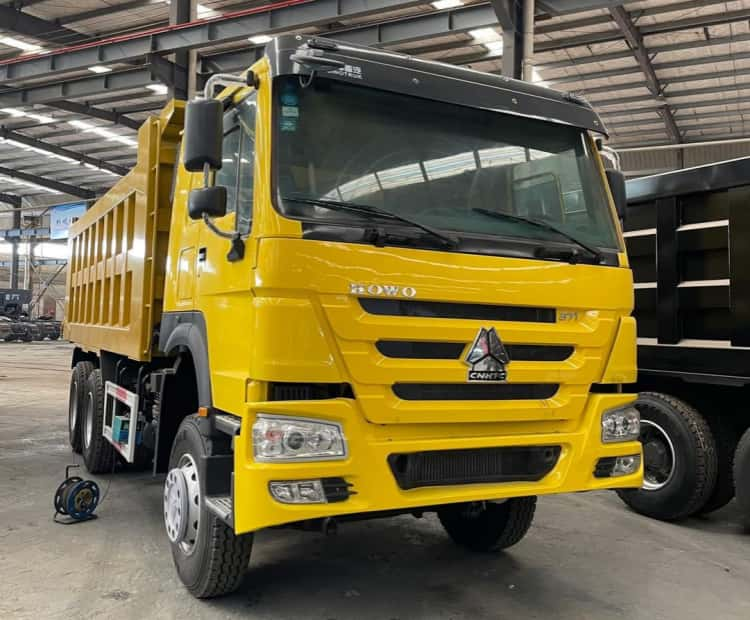
Matching does not always mean choosing the heaviest available variant. Over-specifying is wasteful: buying mine duty reman trucks for smooth highway haul raises acquisition cost, increases fuel consumption and locks unnecessary capital.
Working condition matching selects the minimum sufficient duty package that safely covers the site profile, balancing reliability, TCO and capital spend.
Important guardrail
Duty classification is a design boundary, not a permission for overload. Even a heavy mine duty reman truck will accumulate fatigue faster if routinely operated above its design payload or gradient limit. The selected model’s operating envelope must be embedded into site dispatch rules and operator training.
Final Takeaway
Payload alone is not enough to select the right reman truck. For reman fleet and site managers, the key takeaway is simple: REMAN ROAD working-condition matching maps terrain, climate, cycle type and load behaviour to standardised duty-class rebuild packages, so each reman model is engineered and tested for its actual site mission, eliminating premature wear from misassigned assets.
One Comment