Why Fleet Upfront Price Should Never Be the Only Decision Factor?
Intro
It is natural for procurement teams to compare quoted prices first. When capital budgets are tight, low upfront figures look attractive for tender pricing and immediate cash flow. But heavy truck fleets earn revenue over thousands of operating hours, not at the moment of payment. A truck with the lowest purchase price often becomes the most expensive asset in the portfolio.
REMAN ROAD reman system — full teardown, NDT structural inspection, dynamometer testing, third-party audit and VIN traceability — is built around total cost of ownership rather than headline price. This article explains why upfront price alone cannot be your core decision factor.
Low price often signals omitted quality scope
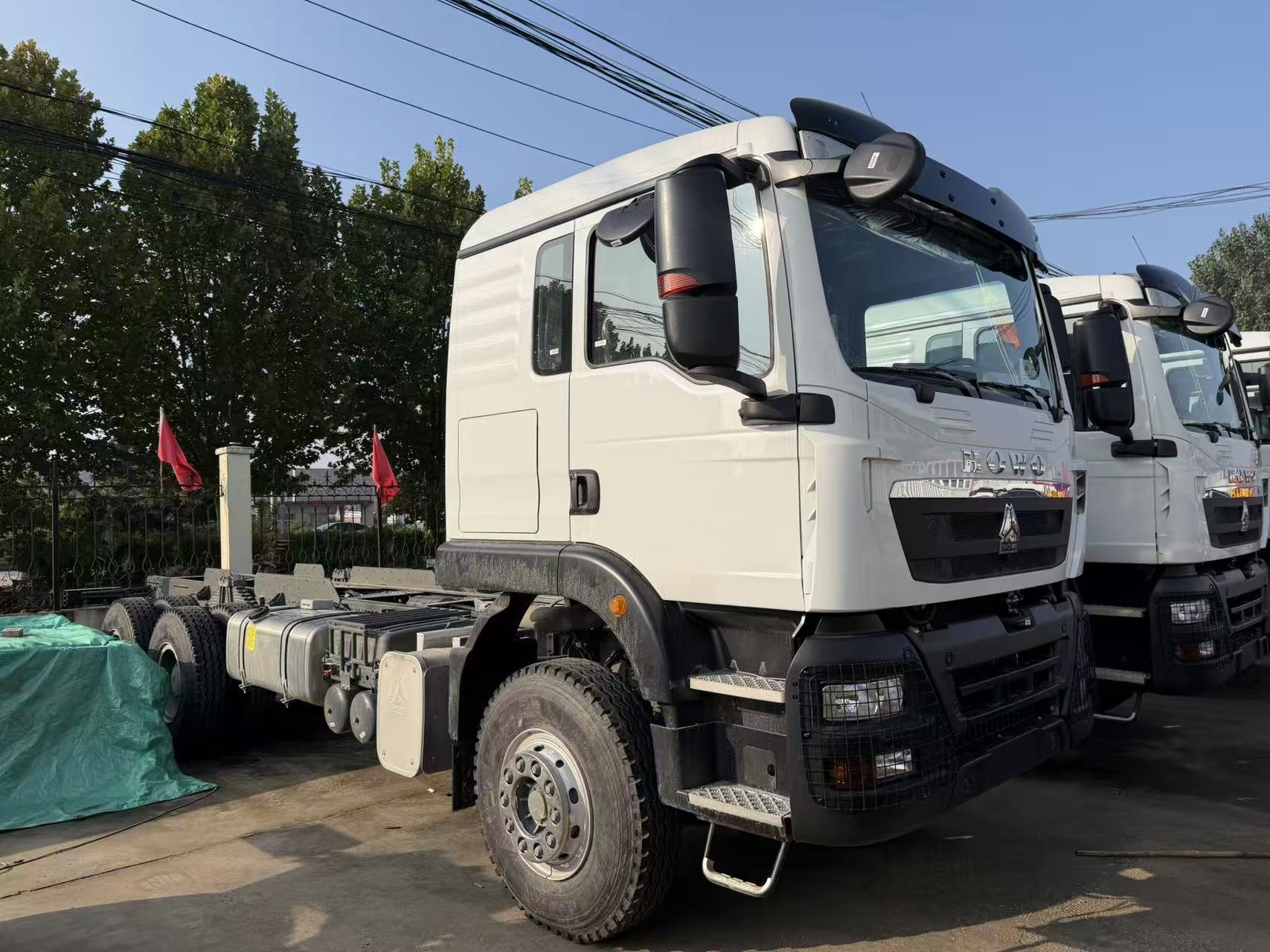
The biggest risk is scope reduction. A cheap “reman” quote may skip mandatory NDT, full teardown, component replacement or load testing. Sellers only clean, repaint and fix visible faults. The saving you see on the invoice is simply the cost of skipped engineering checks. These hidden defects trigger major breakdowns shortly after the truck enters site operation.
Downtime cost dwarfs purchase savings
For mining and construction fleets, downtime carries compounding losses: lost haul tonnage, standby operator pay, idle site support equipment, and liquidated damages written into haul contracts. A truck that is $10,000 cheaper upfront but stops work for 10 days can erase all savings and create a net loss. Reliability and consistent availability are far more financially valuable than a lower acquisition price.
Warranty can be a hollow paper promise
Cheap suppliers frequently include a warranty clause, but lack regional service channels, approved parts lists and neutral dispute resolution. When a failure occurs, they delay responses, shift blame to operator misuse or disappear after payment. The warranty has no practical value. Higher-quality certified reman comes with enforceable warranty workflows and traceable records, which adds real risk protection even if the sticker price is higher.
After-sales and spare parts pipelines are rarely included in price comparison
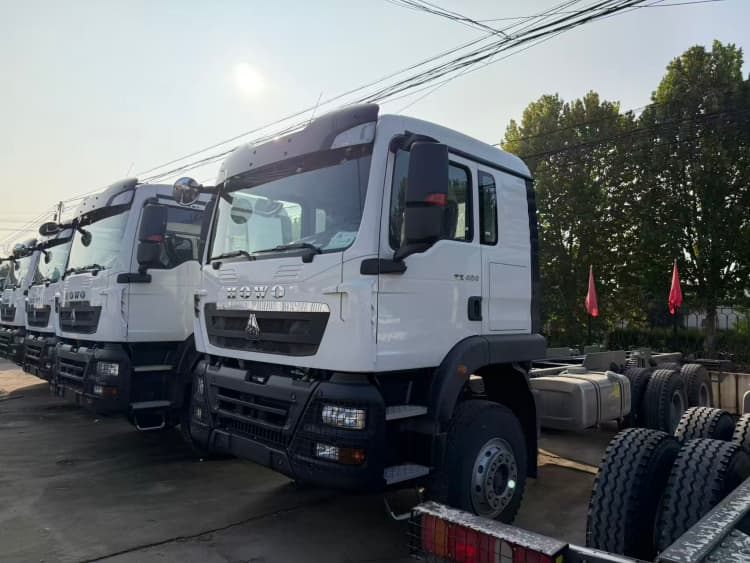
As we discussed earlier, inadequate after-sales is a hidden procurement trap. Low-cost rebuilds often use mixed, undocumented cores and unlogged part numbers. When a seal, injector or gear bearing fails, the fleet cannot quickly source matching spare parts. Long lead times for custom or obsolete components extend idle time. Reputable suppliers bundle part lookup, technical support and regional stock pipelines into their commercial offer.
Poor asset pedigree destroys residual value
Undocumented, self-certified reman trucks carry a steep risk discount on resale. When your project ends and you rotate or sell the fleet, buyers will heavily discount units without third-party verification and traceability. The total loss at exit can wipe out the original upfront discount. Certified standardised reman truck maintains a more predictable residual value, improving the full-lifecycle economics.
Price-only selection increases portfolio risk concentration
If you repeatedly select the lowest bidder, your fleet becomes a collection of inconsistently rebuilt units with unknown remaining life. This creates wide KPI variance: some trucks run well, others fail unpredictably. Your maintenance team cannot standardise service schedules or stock a unified spare parts range. It makes fleet planning, TCO modelling and tender pricing unreliable.
It ignores ESG, audit and compliance eligibility
Mining and infrastructure tenders increasingly require proof of reman scope, embodied carbon savings and independent verification. The cheapest option often lacks formal traceability and third-party certificates. You may win the truck purchase at low price, only to fail site audit, lose contract approval or miss ESG reporting requirements. This is a fatal risk for formal project fleets.
TCO is the correct decision benchmark, not upfront price
Total Cost of Ownership (TCO) rolls up all predictable costs:
- Acquisition cost
- Scheduled maintenance and consumables
- Expected unplanned repair frequency
- Downtime penalty risk
- Spare parts lead time
- Estimated residual value at disposal
Two trucks with identical upfront price can have wildly different TCO. Two trucks with different upfront prices can deliver nearly identical TCO over the project life.
Important guardrail
This does not mean higher-priced assets are always better. Overpriced reman truck with no matching test scope, traceability or after-sales support is also a bad buy. The goal is to compare against a fixed acceptance specification, not simply rank quotations by price. REMAN ROAD provides a clear specification baseline so buyers can compare apples to apples.
Final Takeaway
Upfront price is just one line item in a multi-year lifecycle calculation. For procurement and commercial managers, the key takeaway is simple: buying based only on the lowest initial price exposes fleets to downtime, compliance and residual-value risks. Evaluating by TCO, verified quality, traceability and after-sales capacity delivers far more stable fleet profitability.