How Standardised Sampling Inspection Works in Bulk Reman Projects?
Intro
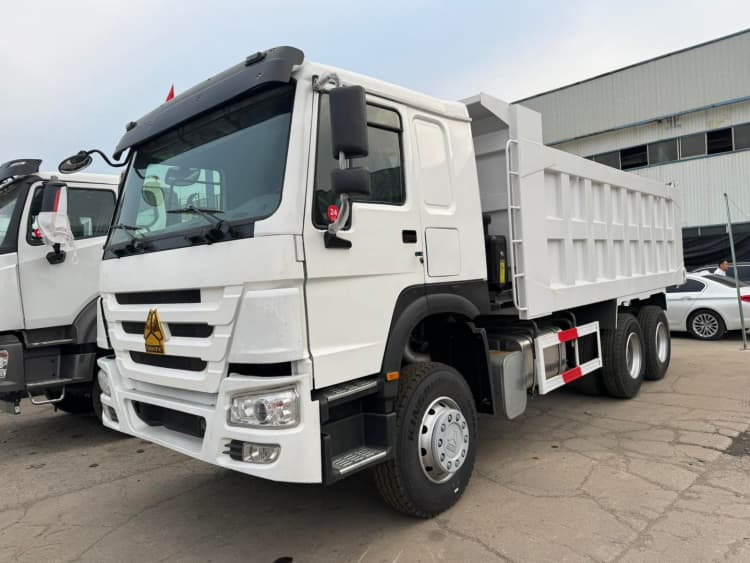
For bulk reman procurement orders, checking every single truck in the shipment is resource-heavy, slow and costly. At the same time, skipping inspection entirely exposes buyers to the risk of inconsistent quality, as we covered earlier. Standardised sampling inspection is a statistical quality control method: you select a representative subset (sample) from the whole batch, inspect those units against fixed acceptance criteria, then use the result to decide whether to accept, reject or rework the entire batch.
REMAN ROAD integrates sampling inspection into its bulk project workflow: core screening, three-bucket component grading, NDT fatigue inspection, dynamometer validation, full-load road testing and independent audit, with sampling rules clearly documented in the VIN traceability system. This article explains how standardised sampling inspection operates for bulk reman truck projects.
Define batch boundaries and clear sampling plan upfront
First, the quality team defines what constitutes a single batch. A batch is usually trucks produced under the same standard version, same duty class, same production window and same component specification. The sampling plan is written before inspection starts, not chosen arbitrarily on site. It specifies: batch size, sample size, AQL (Acceptable Quality Level), rejection threshold and inspection level. For high-risk heavy-duty mining bulk reman trucks, a stricter AQL is set; for light highway duty bulk reman trucks, the sampling scheme can be moderate. This prevents inspectors from picking “easy-looking” trucks selectively.
Random sampling eliminates cherry-picking bias
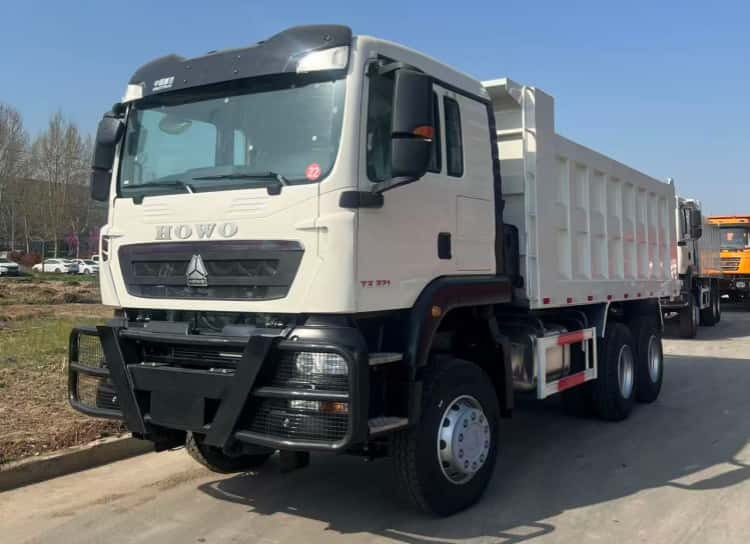
The core rule is random selection. Inspectors cannot only pick the cleanest, best-looking trucks. Units are selected by VIN sequence, random number generator or blind draw from the batch. This avoids the common pitfall: sellers offering their best demo units for inspection while hiding defective ones. Random sampling ensures the sample reflects the true quality distribution of the whole production run.
Sample inspection follows the identical full acceptance checklist
Sampling does not mean simplified inspection. Every sampled unit receives the full scope of checks applied to a 100% inspected unit:
- VIN and document traceability audit
- NDT structural inspection on frame, axle and suspension
- Powertrain dynamometer test and calibration verification
- Hydraulic, brake and cooling system functional testing
- Full-load cyclic road test matching target duty class
All test results are logged and tied to the unit’s VIN traceability record.
Classify non-conformities and apply decision rules
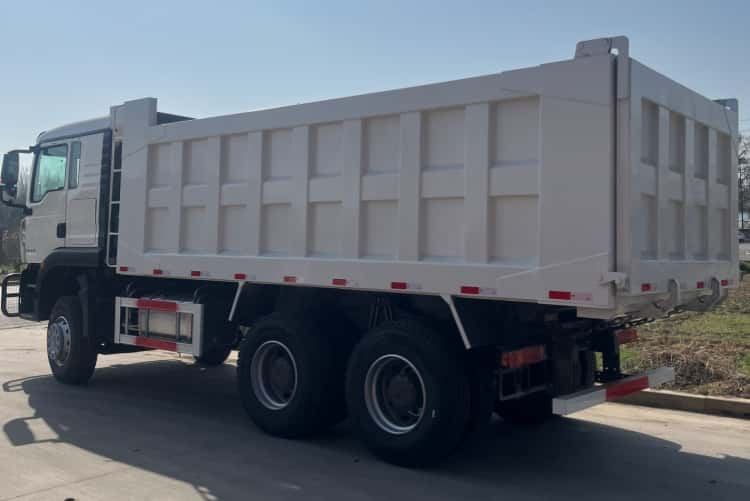
Defects are pre-classified into critical, major and minor, with fixed pass/fail rules:
- Critical non-conformity: frame fatigue crack, tampered VIN, unapproved structural weld, safety system failure → batch automatically rejected once found in any sample.
- Major non-conformity: out-of-spec power/torque, mismatched critical core components, missing mandatory test certificates → count toward the rejection limit.
- Minor non-conformity: cosmetic scratches, non-critical cosmetic defects → tracked separately, do not trigger batch rejection unless quantity exceeds agreed limits.
If the number of non-conforming units in the sample exceeds the threshold, the whole batch is rejected, not just the bad sampled trucks.
Two common sampling modes for bulk reman trucks projects
- Normal inspection: Default mode for routine bulk orders. Balances inspection effort and risk. If results are consistently good, the plan may switch to reduced sampling to save inspection time.
- Tightened inspection: Triggered when the previous batch failed or showed high defect rates. Larger sample size and lower defect tolerance are applied until quality stabilises. This switch rule stops bad quality from slipping through after a quality drift appears.
Sampling is complemented by mandatory 100% check for critical safety items
Important limitation: sampling is used for batch quality validation. Certain safety-critical paperwork and pre-shipment container checks are not sampled. VIN matching before container loading, seal verification and document cross-check happen for every unit. Sampling never replaces individual verification for these fraud-prone steps.
Document sampling results and link to batch certificate
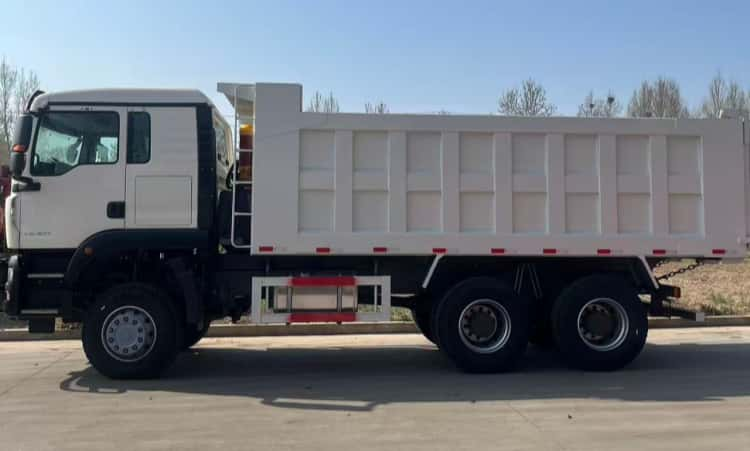
The sampling report records batch ID, standard version, sampling plan, list of sampled VINs, all test data, defect photos and inspector signature. If the batch passes, a unified batch certificate is issued. If rejected, the report is formal evidence requiring the supplier to sort, rework and re-inspect the entire batch at their cost. This supports tender audit, site entry and cross-border customs review.
Sampling trend monitoring for long-term frame agreements
For multi-year rolling supply contracts, quality teams track sampling results batch by batch. A slow upward trend in major defects across successive samples signals process drift in the reman workshop. The improvement team can intervene early, tighten workshop controls or revise component standards, before a large defective shipment is produced.
Important guardrail
Sampling inspection is statistical risk control, not zero-risk guarantee. It reduces inspection workload while keeping the probability of accepting a bad batch low. REMAN ROAD’s sampling plan is an additional layer of quality control, not a replacement for the standard reman manufacturing test protocol applied to every truck during rebuild.
Final Takeaway
Standardised sampling inspection makes large-volume bulk reman procurement practical and cost-controlled. For procurement and quality managers, the key takeaway is simple: random, rule-based sampling with clear AQL and defect classification helps you judge the whole batch reliably, avoiding the cost of full inspection while guarding against hidden quality drift in bulk reman truck projects.