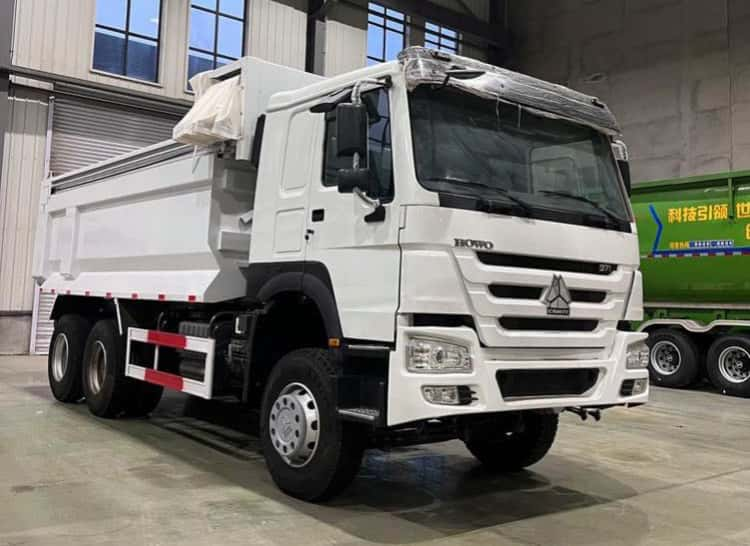
Continuous Improvement Mechanism of Reman Quality Standards
Intro
A fixed quality checklist is only a starting point. Heavy truck operating conditions across Africa are diverse: high-dust mines, steep haul routes, cyclic overloads and rough ungraded terrain expose reman trucks to failure modes that may not appear in initial lab testing. If reman quality standards remain frozen, the same weakness will repeat across batches.
REMAN ROAD builds a closed-loop continuous improvement mechanism system tied to its VIN traceability database. Every reman trucks goes through core screening, component grading, NDT inspection, dynamometer validation, full-load road testing and third-party audit at release — but the data generated after delivery is used to refine the very standards that govern the next rebuild batch. This article explains how a continuous improvement mechanism elevates reman quality standard over time.
Centralised traceability database collects multi-source field data
The foundation of improvement is unified data capture. Every VIN record stores not only pre-shipment test results, but also post-delivery events: operating hours, fuel consumption, maintenance logs, component replacements, failure codes, site environment and root-cause analysis reports.
This separates random operator error from systemic rebuild weaknesses. For example, multiple units in the same duty class suffering turbo seal failure on dusty sites signals a gap in intake filtration or sealing specification, rather than isolated bad luck.
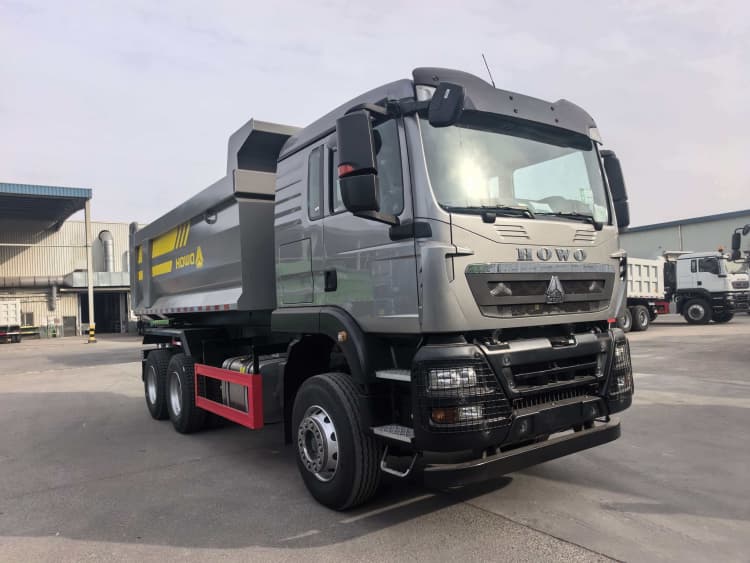
Root-cause analysis for recurring failure modes
When a failure repeats across several reman trucks, the quality team launches formal root-cause analysis, distinguishing three categories:
- Process gap: Inconsistent cleaning, calibration or torque procedure during truck remanufacturing.
- Specification gap: Component selection, material grade or test threshold insufficient for the target duty class.
- Operational mismatch: Trucks assigned to harsher workload than their certified rating.
Only process and specification gaps trigger updates to the reman quality standard. Duty mismatch findings feed into fleet dispatch guidance and buyer training materials instead.
Iterative revision of acceptance criteria and test thresholds
Insights from field analysis update numeric acceptance benchmarks. If field data shows the original cooling test threshold is inadequate for sustained high-grade mining routes, the dynamometer and thermal load test limits are tightened. If certain weld geometries show early fatigue, NDT scanning zones and weld inspection criteria are expanded. Revised standards are version-controlled and time-stamped, so buyers can clearly see which specification revision each truck was built against.
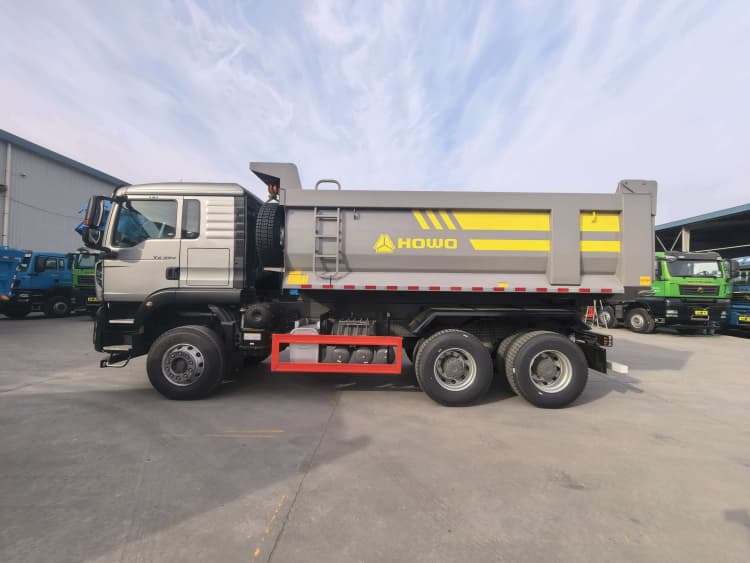
Component grading and approved vendor list refinement
Continuous improvement also applies to the three-bucket component grading system. A replacement bearing or seal type that repeatedly fails under cyclic load is removed from the approved parts list. Higher-grade alternatives are introduced. Core acceptance cutoffs for used axle, frame and suspension cores are adjusted if a certain core population shows faster-than-expected fatigue accumulation.
Test procedure upgrade with new inspection technology
NDT methods, calibration tools and load-simulation technology evolve. The improvement roadmap evaluates new inspection techniques, such as advanced phased-array ultrasonic testing or continuous temperature monitoring during road validation. When proven effective, these are embedded into the standard workflow, raising the ability to catch subtle fatigue that older tests missed.
Feedback channel with fleet maintenance and engineering teams
Fleet operators are the best source of real-world data. REMAN ROAD maintains structured feedback channels for maintenance supervisors, site engineers and RFQ clients. Reported pain points, even minor ones such as hard-to-source wear parts or slow diagnostic access, feed into standardisation. This may mean simplifying component layout, adding extra test points or updating service manuals and troubleshooting guides.
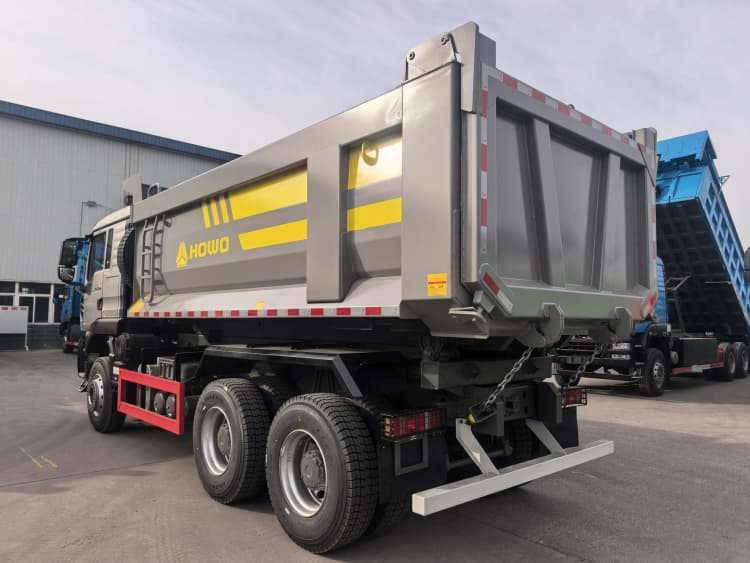
Batch audit review and trend monitoring
Each batch’s post-delivery KPI is tracked as a cohort. The quality team monitors MTBF, maintenance cost per hour and fuel variance by batch and specification version. If a newly updated standard produces a measurable improvement in fleet KPIs, the change is formalised and rolled out to all production lines. If a revision introduces unexpected side effects, it is paused, reviewed and adjusted before wider adoption.
Document version control and transparent communication to buyers
One risk of updating standards is buyer confusion. All changes are tracked with version numbers, and the traceability record clearly states which revision of the REMAN ROAD reman quality standard each asset follows. For bulk and long-term supply contracts, the supplier communicates standard upgrades proactively. Buyers can choose whether to adopt the updated specification for subsequent orders, with clear visibility on what reliability gains the changes deliver.
Important guardrail
Continuous improvement does not mean rewriting standards arbitrarily for every single field incident. Single isolated failures are not used to overhaul the whole protocol. Changes are only approved based on statistically significant, repeatable failure patterns, validated by engineering review. Also, newer standards cannot retroactively alter the certified baseline of older assets already delivered.
Final Takeaway
Static quality standards slowly drift away from real-world site reality. For quality and engineering managers, the key takeaway is simple: REMAN ROAD’s closed-loop continuous improvement mechanism turns field operating data into stronger inspection, component and test rules, so reman quality evolves alongside the harsh African haulage and mining environments the assets serve.