
How Ambiguous Definition Causes Disputes in Reman Deals?
Intro
Many reman deals fall into conflict not because of poor workmanship, but because the two sides are working from different understandings of what “reman” actually means. A buyer may assume reman equals full teardown, NDT inspection and OEM-calibrated performance. Meanwhile, the remanufacturer may use the same word to describe a superficial cosmetic refresh and selective part swap. This ambiguous terminology is widespread across the African heavy truck import market, where “reman”, “rebuild”, “refurbish” and “used overhauled” are often used interchangeably.
REMAN ROAD genuine truck remanufacturing locks in a strict definition: full disassembly, component sorting by three-tier grading, NDT fatigue screening, dynamometer validation, full-load road testing and independent audit, with all evidence attached to the VIN traceability file. This article explains how loose definitions trigger disputes in reman transactions.
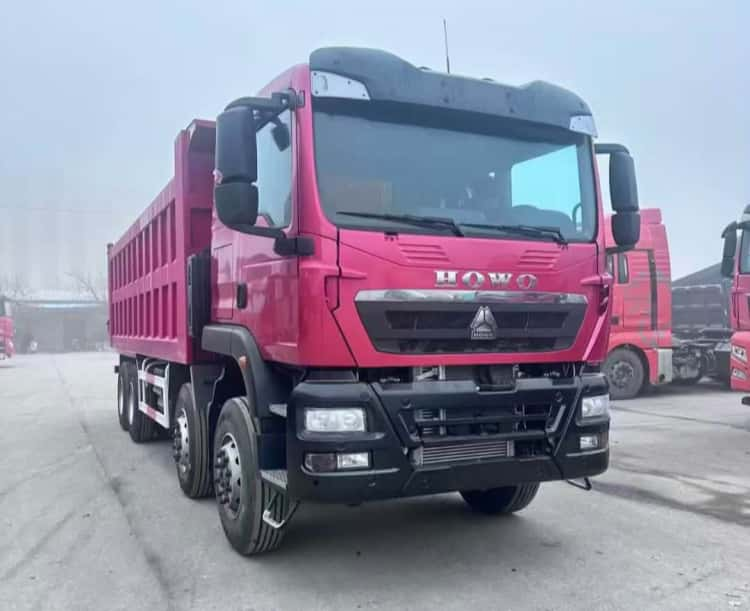
Different baseline expectations for scope of work
The most common dispute centres on rebuild scope. The buyer expects every critical load-bearing and powertrain component to be inspected, tested or replaced. The remanufacturer may only service obvious broken parts and leave frame, axle and suspension cores untouched.
When the truck fails shortly after delivery, the remanufacturer claims the unit was “reman as agreed”, while the buyer argues key inspection steps were omitted. Without a contract-linked definition, there is no neutral engineering benchmark to settle the disagreement.
Warranty scope and trigger conditions become contested
Warranty clauses rely entirely on what the asset is supposed to be. If “reman” is undefined, parties clash on what failures are covered. A remanufacturer may argue the warranty only covers replaced parts.
The buyer expects warranty coverage for latent structural defects that should have been eliminated during truck remanufacturing. Ambiguity turns warranty claims into lengthy negotiations, with no clear way to prove whether the defect should have been caught in the rebuild process.
Acceptance testing and delivery rejection disputes
Bulk import contracts often include acceptance checks at port or site. When the definition of truck remanufacturing is vague, the criteria for rejection are subjective. The buyer may reject a truck after discovering untested fatigue or unapproved field welds. The remanufacturer may insist the truck “runs well” and meets the local informal standard. Since there is no agreed pass/fail test matrix, delivery delays, demurrage fees and legal conflict follow.
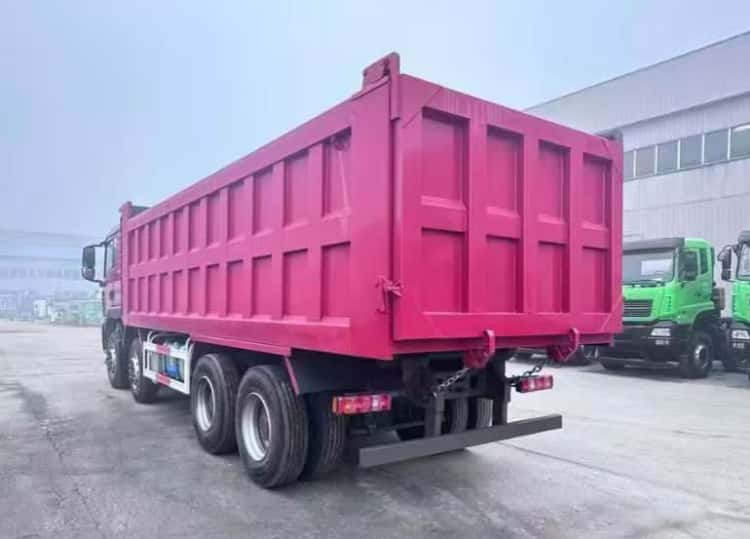
Audit and tender compliance disagreements
Large mine and infrastructure clients require proof that equipment is genuine reman truck, not just repaired. If the definition is ambiguous, the documentation may look sufficient at first glance but fail client audits. The buyer then faces the risk of being barred from site or losing tender rights, and will hold the seller responsible. The remanufacturer can push back, arguing they never promised a third-party audited reman standard.
Valuation and residual value conflicts at resale or contract end
When assets are reallocated, resold or returned under lease, definition ambiguity hits residual value. One buyer values the truck as a certified reman truck with stable depreciation. The next buyer treats it as a high-risk refurbished used truck and applies a heavy discount. The original operator may claim misrepresentation, while the remanufacturer maintains they only agreed to a loose “reman” label.
Regulatory and customs classification friction
Cross-border shipments to West, East and Southern Africa depend on customs codes and import rules for used, rebuilt or reman truck. If the definition is unclear, customs officers may classify the truck as a high-risk used vehicle instead of a regulated reman truck. This triggers extra duties, import bans or quarantine holds. Buyer and seller then dispute who bears the financial and logistical burden of misclassification.
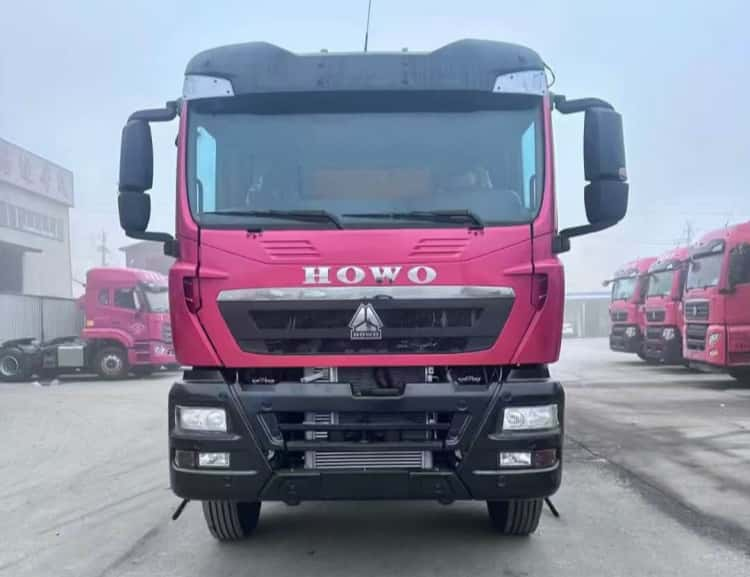
Misaligned liability for safety incidents
In the worst case, undefined reman status complicates liability after structural failure or accidents. If records do not specify which inspections were performed, it becomes hard to separate pre-existing rebuild defects from operational misuse. Insurers may deny coverage, and both sides argue about whether the asset should have been cleared for heavy-duty operation.
Important guardrail
Even a clear written definition only works if it is backed by verifiable test records. Simply adding a definition clause to the contract is not enough. REMAN ROAD’s genuine truck reman traceability package provides the objective proof that the agreed reman standard was actually executed, rather than only promised on paper.
Final Takeaway
Ambiguous terminology turns “reman” into a marketing word instead of an engineering specification. For procurement and contract managers, the key takeaway is simple: REMAN ROAD’s fixed, auditable reman definition removes interpretive gaps, aligns buyer and remanufacturer expectations, and prevents the expensive disputes that stem from vague language in heavy truck import and supply contracts.