
How Incomplete Traceability Records Bring Fleet Operational Risks?
Intro
Reman traceability records is not just paperwork for compliance. It is the operational memory of a heavy truck. When records are incomplete — missing inspection reports, untracked component swaps, unlogged structural repairs, or disconnected service history — fleet managers lose visibility into what has been done to the asset and what risks remain. This is a common issue with generic used trucks and low-end cosmetic refurbishment. Without a continuous audit trail, hazards stay invisible until they trigger site stoppages, audit penalties or liability events.
REMAN ROAD builds full reman traceability record from core screening through rebuild, testing and third-party audit, with all data bound permanently to the VIN. This article breaks down the operational risks created by incomplete traceability records.
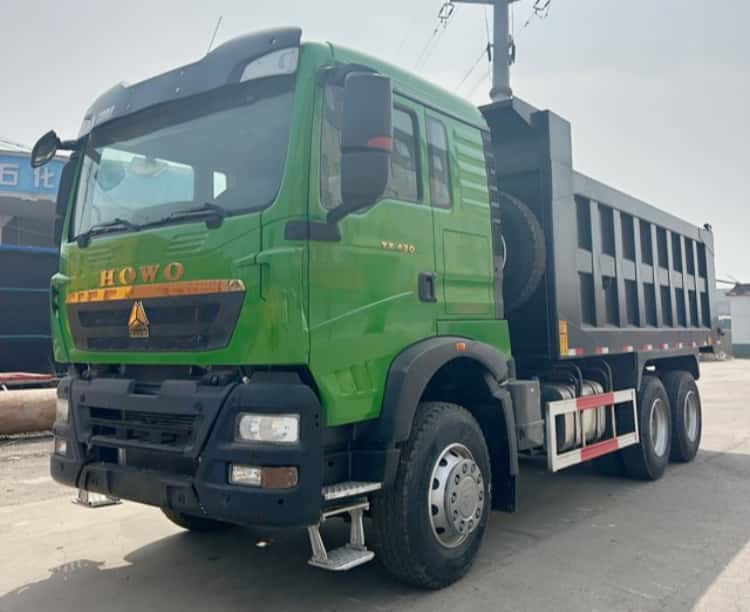
Hidden structural and component fatigue cannot be quantified
The most dangerous risk is unrecorded damage or prior failure. A frame that once cracked and was field-welded, an axle replaced with an unknown second-hand unit, or a suspension component operating past its design life leaves no obvious outward sign.
With incomplete traceability records, inspectors cannot distinguish between original qualified components and patched or swapped parts. NDT checks become one-off snapshots instead of part of a continuous lifecycle record. Fatigue accumulates silently, raising the chance of sudden structural failure on site.
Breakdown diagnosis slows and root causes stay unresolved
When a truck fails, technicians need component serial numbers, rebuild specs, calibration settings and past fault history to pinpoint the root cause. If records are scattered or missing, diagnostics become trial and error.
Teams may replace the wrong parts, repeat the same failure, and extend downtime. Over time, the fleet cannot identify recurring design or component weaknesses, so the same failure mode keeps reappearing across assets.
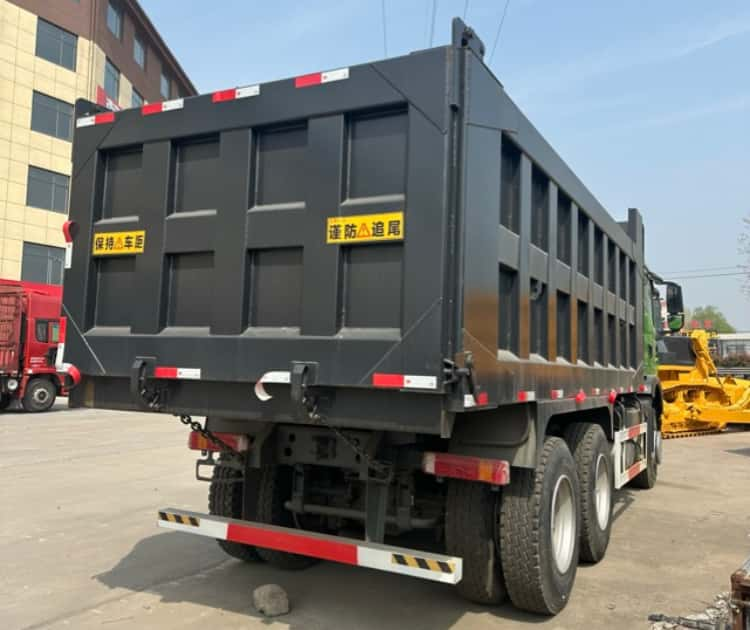
Warranty and liability coverage becomes fragile
Warranty providers, insurers and lessors rely on verified service and rebuild records. If critical traceability records is missing, a claim can be rejected. For example, a driveline failure may be denied if there is no proof the rebuild followed approved standards.
In the event of an accident, incomplete records make it hard to separate pre-existing equipment defects from operational misuse, exposing the operator to costly liability disputes.
Tender and site pre-qualification audits fail unexpectedly
Mining clients and government infrastructure projects increasingly require equipment pedigree files. Auditors do not accept verbal assurances or partial photos. Gaps in traceability records can disqualify an entire fleet from site entry, even if the truck runs well. This creates sudden commercial risk: a contractor may lose access to a high-value project after mobilising crews and planning schedules.
TCO and depreciation forecasting becomes guesswork
Reliable cost modelling depends on knowing what was replaced, what grade of components were fitted and what test baseline the asset was certified to. Without this history, finance teams cannot separate natural wear from poor-quality prior repairs. Resale value assumptions become optimistic guesses, and depreciation models drift. This distorts ton-per-kilometre cost calculations and tender pricing.
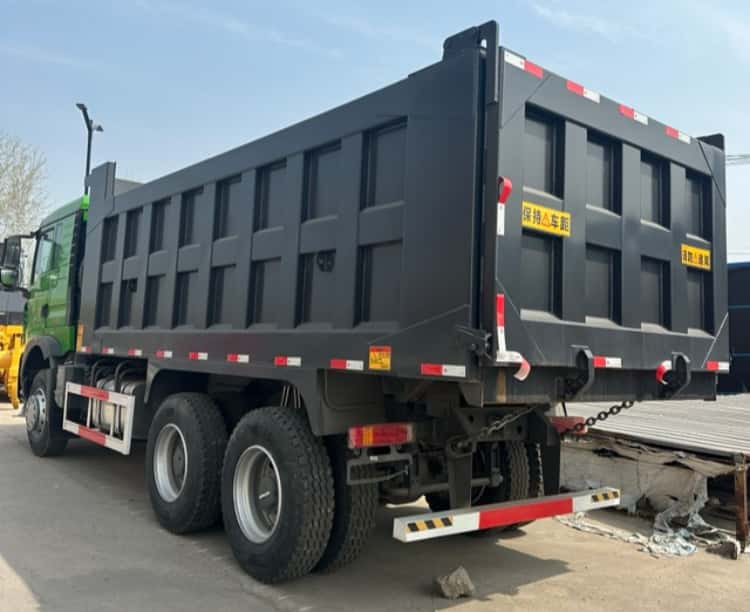
Asset rotation and resale carry large value discount
When fleets reallocate, lease or sell trucks, incomplete traceability record signals risk to the next buyer. Purchasers apply steep risk discounts or refuse the asset entirely. Even if the truck is mechanically sound, the lack of auditable history limits its marketability. This reduces the fleet’s flexibility to reshuffle assets between projects and weakens exit strategies at contract end.
Important guardrail
Complete reman traceability records is not a substitute for good engineering inspection. Even with full records, trucks will degrade under overload, poor maintenance or abusive operation. Traceability only ensures the fleet understands what condition the asset was certified to and what changes have been made over time.
Final Takeaway
Incomplete traceability record turns unknown history into cascading operational and commercial risk. For fleet audit and procurement managers, the key takeaway is simple: REMAN ROAD’s end-to-end reman traceability records eliminates blind spots, supports fast diagnostics, protects warranty and audit eligibility, and makes TCO and residual-value modelling trustworthy.