
The Hidden Economic Losses of Uncertified Refurbished Trucks
Introduction
On paper, uncertified refurbished trucks look like a cost-saving solution. Their upfront price is attractive, and sellers often present cosmetic fixes as full reconditioning. But most of the damage they cause never appears on the initial purchase invoice. These hidden economic losses build slowly, and many fleet operators only discover their scale after the vehicle enters heavy site operation.
Unlike REMAN ROAD verified remanufactured trucks that follow standardised disassembly, NDT inspection, component renewal and performance testing standardised remanufacturing work, uncertified refurbishment is usually limited to surface repairs, repainting and fixing only obvious broken parts. Unknown wear, fatigue cracks and degraded core components remain inside the vehicle, creating continuous financial leakage for fleets.
Frequent unplanned downtime and associated revenue loss
This is the largest hidden cost for site-based fleets. Scheduled maintenance can be budgeted in advance, but failures from hidden defects happen randomly. A truck may stop working mid-haul, blocking loading cycles, delaying earthworks or missing contract milestones. Beyond direct lost hauling revenue, downtime triggers secondary losses: idle drivers, waiting excavators, delayed concrete pours, and liquidated damages written into construction contracts. On remote mine and quarry sites, waiting for spare parts can stretch stoppages from days into weeks.
Verified remanufactured trucks still require planned service, but critical fatigue points have already been screened and renewed. Uncertified refurbished trucks carry no such risk control.
Catastrophic powertrain and structural repair bills
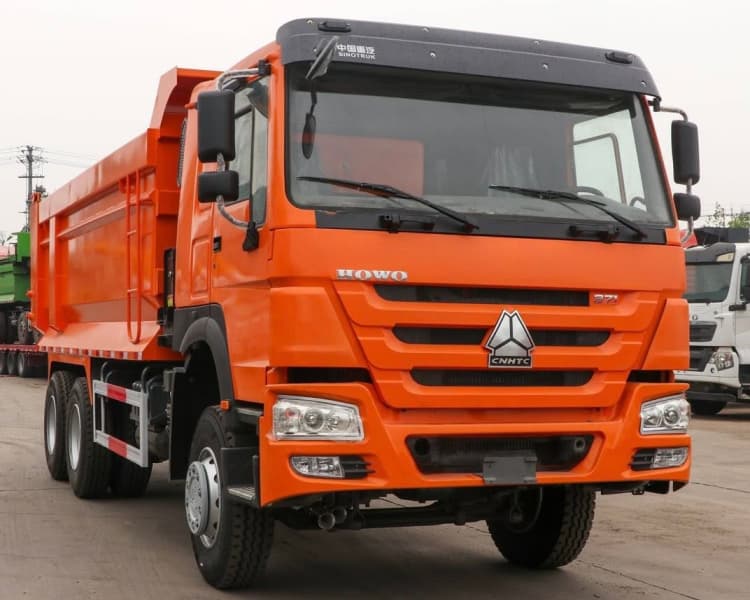
Refurbished trucks rarely fully disassemble frame, engine block, crankshaft, transmission and axle assemblies. Wear and metal fatigue are invisible without non-destructive testing. When these core assemblies fail, repair costs are extremely high. In many cases, the repair bill can approach a large fraction of the original purchase price. These one-off major failures are not predictable. They break budget plans and force operators into an uncomfortable choice: spend heavily to fix the truck, or write off an asset that was only supposed to deliver years of service.
Rising recurring maintenance spend over time
Early on, a poorly refurbished truck may run acceptably. After several months of heavy off-road use, degraded seals, worn bearings, loose fasteners and ageing hydraulic components start failing one after another. Repair work becomes a continuous cycle. Technicians spend more time patching secondary faults instead of productive haulage work. Consumable replacement frequency increases, and overall workshop workload grows far beyond the fleet’s original budget.
Ineligibility for green, donor-funded and formal tenders
Many government and donor-backed infrastructure contracts require asset documentation for ESG compliance, carbon accounting and equipment traceability. Uncertified refurbished trucks have no formal remanufacturing dossier, no carbon saving statement, no independent inspection records. They cannot satisfy tender audit requirements. This creates an opportunity loss: the fleet is locked out of higher-margin, stable contracts that competitors with verified remanufactured trucks fleets can bid for. This lost bidding potential is a silent economic loss that is easy to overlook.
Sharp depreciation and poor residual value at resale
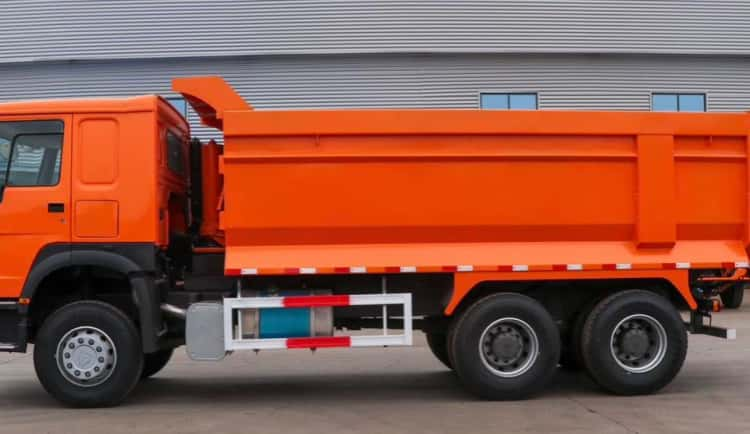
When the fleet wants to rotate or sell these refurbished trucks, formal buyers will discount them heavily. Without verified standardised remanufacturing work inspection records, component replacement logs or standardised test reports, buyers assume unknown risk. The truck quickly falls into the low-value informal second-hand market, and in severe cases, its value drops close to scrap level. The capital lost at exit is pure waste. Even if the truck ran for a couple of years, the fleet recovers very little of its initial investment. In contrast, verified remanufactured trucks with complete traceability maintain a much more stable resale value.
Financing and insurance disadvantages
Lenders and insurers recognise the risk profile of undocumented refurbished trucks. Financing terms may carry higher interest rates, lower loan-to-value ratios or shorter repayment periods. Insurance providers may charge higher premiums, exclude certain failure risks, or refuse coverage for structural and powertrain damage. These extra finance and insurance costs compound month by month and raise the total cost of ownership over the holding cycle.
Reputational risk that hurts long-term business
For contractors, reliable delivery is core to repeat business. If frequent truck breakdowns cause repeated project delays, client trust erodes. Even if the fleet can fix the immediate problem, poor reliability makes it harder to win follow-on contracts. This reputational loss does not show up in maintenance spreadsheets, yet it limits the fleet’s growth and revenue potential for years.
Where the confusion happens: refurbishment vs genuine remanufacturing
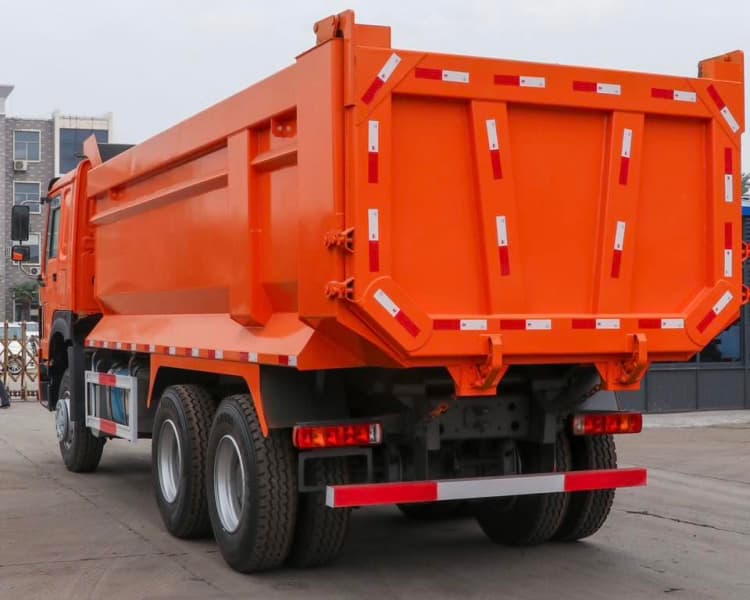
A common market trick is labelling simple refurbishment as remanufacturing. Verified remanufactured trucks follows fixed standardised remanufacturing work: full teardown, defect screening, mandatory replacement of fatigue-limited parts, dyno and road validation, and traceable documentation linked to the VIN. Uncertified refurbishment is cosmetic and partial repair. It fixes visible faults but leaves hidden time bombs inside the core assemblies. That single difference determines whether the asset supports fleet profitability or slowly drains cash flow.
Closing
Uncertified refurbished trucks appear cheap at the point of purchase, but their hidden economic losses accumulate rapidly. Unplanned downtime, expensive core failures, runaway maintenance costs, tender disqualification and collapsed residual value often make them far more expensive than certified alternatives over the ownership cycle.
For construction, mining and long-haul fleets that depend on predictable uptime and formal contract eligibility, the small upfront saving of uncertified refurbishment is a false economy. REMAN ROAD verified remanufactured trucks remove these hidden risks by baking inspection, testing and documentation into the production workflow, protecting the fleet’s bottom line across the full asset cycle.
3 Comments