
Common Myths About Heavy Truck Remanufacturing Debunked
Introduction
Heavy truck remanufacturing suffers from widespread industry misconceptions. Many buyers mix up industrial truck remanufacturing with simple overhaul or cosmetic refurbishment. These false assumptions lead to poor procurement decisions, wrong budget forecasts and unexpected fleet downtime. This article breaks down the most common myths, explains the real facts, and helps fleet owners evaluate genuine reman truck objectively.
Myth 1: Reman truck are just cleaned-up used trucks
Fact: Used trucks only get basic maintenance to keep running.
- Industrial truck remanufacturing follows a full industrial workflow: complete vehicle disassembly, component grading, NDT structural inspection, machining restoration, full replacement of all fatigue consumables, assembly, bench testing and loaded road validation.
- A used truck retains accumulated hidden fatigue damage. A genuine reman truck resets its technical baseline to near-new performance within defined OEM tolerances. Surface cleaning is only a minor step, not the core work.
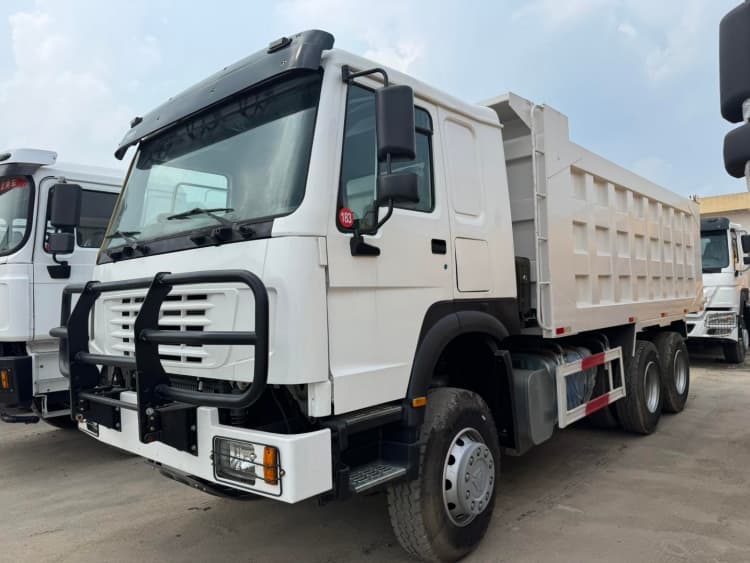
Myth 2: Reman truck have shorter service life than ordinary second-hand trucks
Fact: Service life depends on the condition of core substrates and rebuilding quality.
- A properly genuine reman truck receives eliminated hidden cracks, renewed seals and bearings, restored engine and axle performance. It can deliver a reliable second lifecycle of 5–7 years for site projects.
- By contrast, ordinary used trucks carry unseen metal fatigue. They may fail suddenly after a short period, ending service life prematurely. The risk comes from uninspected defects, not the remanufacture workflows itself.
Myth 3: Reman performance is always worse than new trucks
Fact: Industrial truck remanufacturing targets OEM new performance benchmarks.
- Engine power, torque, fuel consumption and brake performance are verified via dynamometer and full vehicle road tests, within controlled tolerance limits (typically ±3~5%).
- When fully industrial truck remanufacturing, genuine reman truck achieve near-new operational performance.
- The main difference is lower upfront purchase cost and milder depreciation, not operational capability.
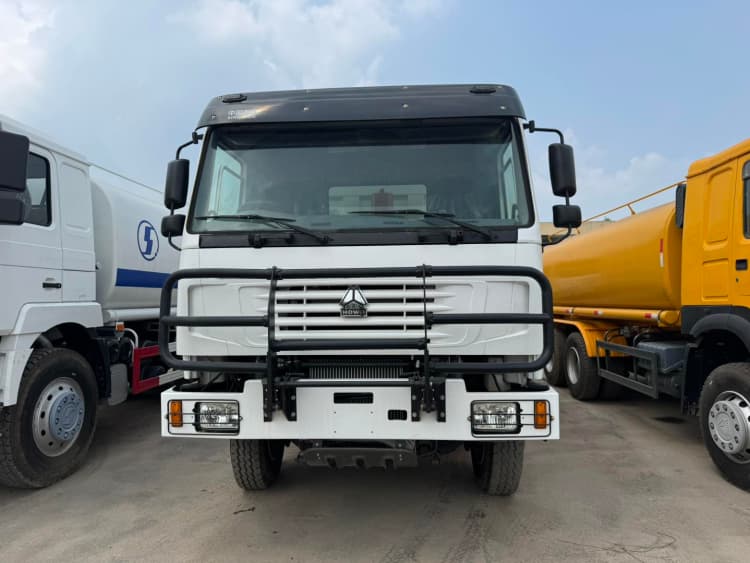
Myth 4: All reman trucks are the same; price is the only thing to compare
Fact: The term “reman” is often misused in the heavy vehicle market.
- Certified industrial truck remanufacturing: full disassembly, NDT, bench tests, traceable documents and formal warranty
- Fake reman / refurbishment: partial repair, paint refresh, no structural inspection
Two units with the same “reman” label can have completely different reliability and total cost of ownership. Comparing only FOB price ignores quality risk and future downtime losses.
Myth 5: Reman trucks cannot operate in harsh hot, dusty or off-road African conditions
Fact: Standard highway reman trucks may struggle in rugged tropical environments.
- However, genuine reman truck with targeted tropicalisation upgrades (multi-stage dust pre-cleaners, oversized cooling systems, reinforced chassis, heavy-duty suspension) are fully capable of African site operation.
- The limiting factor is whether adaptation upgrades are integrated into the reman workflows, not the reman concept itself.
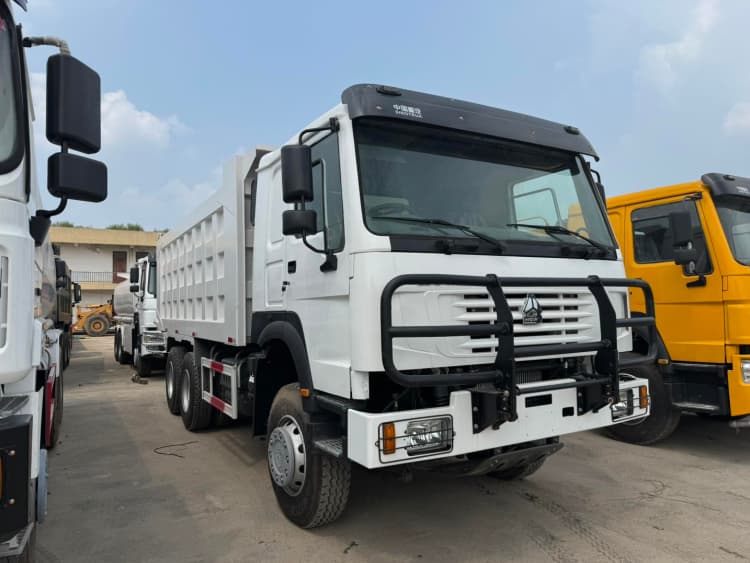
Myth 6: Reman trucks have no warranty or warranty is always worthless
Fact: Qualified genuine reman truck come with formal written warranty covering defects originating from the remanufacture workflows.
- The warranty terms, covered parts, labour rules and claim process are defined in delivery documents.
- Warranty becomes useless only when buying from untrustworthy suppliers who offer only verbal promises and disappear after shipment.
- Fleet buyers must lock warranty obligations inside the purchase contract.
Myth 7: Reman is just expensive overhaul; no real financial benefit
Fact: Overhaul usually fixes only known faulty parts.
- Reman systematically replaces all fatigue-limited components and screens invisible structural damage.
- Although reman costs more than simple overhaul, it drastically cuts unplanned downtime and emergency repair expenses.
- For mid-term project fleets, the total cost of ownership is often lower than buying new or ordinary used trucks, thanks to lower CAPEX and stable uptime.
Myth 8: Any old truck can be sent into remanufacture workflows
Fact: Strict core screening is the first gate of industrial truck remanufacturing.
- If the chassis frame, engine block or axle housing has irreparable through corrosion, deep fatigue cracks or severe crash/fire damage, the core will be rejected and sent for material recycling.
- Only heavy trucks with intact, repairable base metal substrates are eligible to enter the remanufacture workflows.
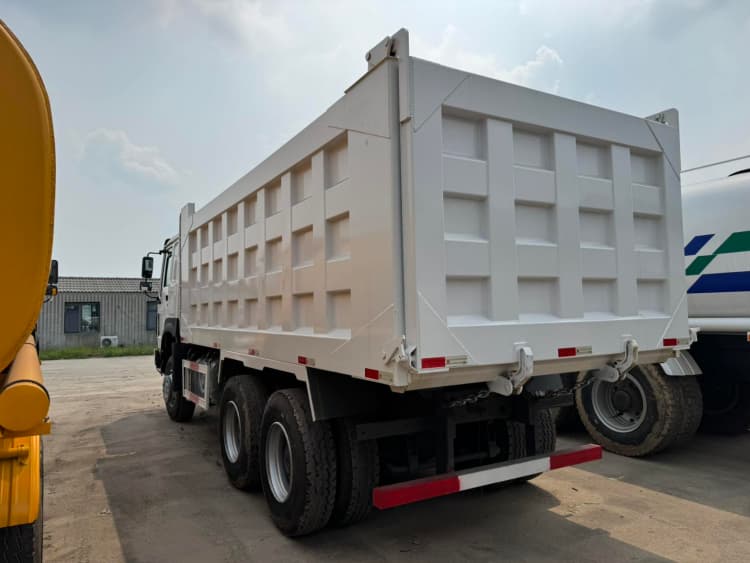
Myth 9: Reman trucks fail import and roadworthiness inspections easily
Fact: Genuine reman trucks are built to meet destination market safety and emission requirements, with complete supporting test documents. Customs or roadworthiness failures usually happen when buyers purchase uncertified refurbished units without proper documentation, or select models with emission specs incompatible with local import rules.
Myth 10: Buying reman truck is only for companies with very tight budgets
Fact: While small fleet operators benefit greatly from reduced CAPEX, large international contractors also select certified genuine reman truck for mid-term infrastructure and mining projects. The decision is based on TCO and asset lifecycle planning, not simply limited budget. Industrial truck remanufacturing is a strategic circular economy asset solution, not a cheap low-end fallback option.
Key Takeaway
The confusion around heavy truck remanufacturing almost always comes from mixing certified industrial remanufacturing with cosmetic refurbishment. Fleet buyers should judge reman truck by documented workflow, NDT reports, bench test records and contract quality clauses, instead of relying on widely spread market myths.