
How to Identify Fake Reman Claims in Heavy Vehicle Market?
Introduction
The rising demand for remanufactured trucks has created a growing market of misleading “fake reman” listings. Many sellers label basic refurbishment, partial repair or surface cleaning as remanufacturing to charge a premium price. For fleet buyers, trusting fake reman claims leads to unexpected breakdowns, inflated maintenance bills and wasted capital.
Genuine remanufacturing follows full disassembly, standardized inspection, component renewal and performance testing. This article outlines practical, verifiable methods to spot fake reman claims and avoid low-quality misrepresented heavy vehicles.
Understand The Key Difference: Genuine Reman vs Cosmetic Refurbishment
Fake reman relies on confusing buyers between simple repair and industrial remanufacturing.
- Genuine reman: Complete teardown of the whole vehicle or major assembly. Every component is inspected, worn parts are replaced, critical parts undergo NDT testing, and finished units pass bench and vehicle-level functional testing. Asset service life is systematically reset with full traceable records.
- Cosmetic refurbishment (fake reman): Only external cleaning, repainting, minor surface repairs and replacement of obvious broken parts. No full disassembly. Hidden fatigue, internal wear in engine, axle or frame remains untouched. Sellers reuse most original worn components and market it as “remanufactured”.
- Core distinction: Genuine reman is a full life-reset industrial process. Refurbishment is surface-level repair for appearance only.
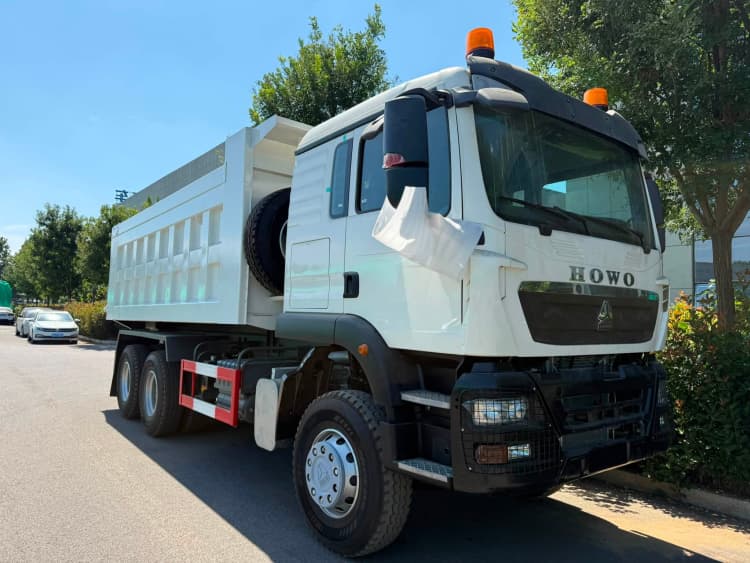
Verify Full Disassembly & Core Inspection Proof
A primary red flag: no evidence that the truck was fully disassembled and inspected.
- Request photos or archived records of full teardown: engine, gearbox, axle and cab stripped from the chassis. If the seller cannot show disassembly documentation, it is almost certainly not genuine reman.
- Check for non-destructive testing (NDT) reports for frame, engine block, crankshaft and axle housing. Genuine reman requires ultrasonic or magnetic particle inspection to detect invisible cracks. Fake reman vendors will not provide NDT certificates.
- Confirm core grading records. Qualified reman suppliers must document original core mileage, damage condition and rejection criteria. Missing core screening logs are a strong warning sign.
Audit Parts Replacement List & Component Traceability
Fake reman usually only replaces visible broken parts, not mandatory safety consumables.
- Ask for a detailed bill of replaced components. Genuine reman lists bearings, seals, gaskets, brake linings, hoses and wear-prone parts as mandatory replacements.
- Cross-check if safety-critical consumables are reused. Any “remanufactured” truck keeping old seals, aged brake components or fatigued bearings is a fake reman claim.
- Check part sourcing certification. Replacement parts should be OEM or equivalent certified alternatives. Low-grade generic aftermarket parts without certification signal compromised reman quality.
- Serial number traceability: Each key assembly should link back to reman records. If component serial numbers cannot be matched to inspection documents, the claim is unreliable.
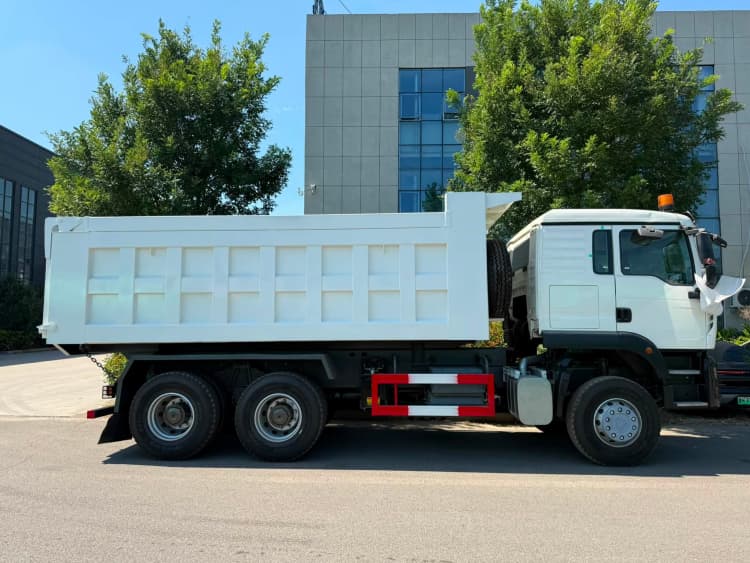
Inspect Mandatory Performance Test Reports
Genuine remanufactured trucks must pass objective performance testing before delivery.
- Request engine dynamometer test reports, brake pressure test, transmission function test and leak test data. Fake reman sellers only do visual check and road test without formal bench test data.
- Review quantifiable pass/fail metrics: power output, oil pressure, compression value, braking efficiency and emission readings. Vague statements like “tested and works well” without numeric data are unreliable.
- Confirm independent inspection witness records. High-quality certified reman may include third-party audit records; fake reman only provides self-issued simple statements.
Examine Reman Certification & Warranty Terms
Warranty and certification wording often reveals fake reman.
- Genuine reman certification clearly states the scope of reman work, covered assemblies, testing standards and production batch information. Generic certificates without specific vehicle serial numbers are worthless.
- Analyze warranty coverage: Fake reman usually offers very short warranty, or only covers individual replaced parts instead of remanufactured assemblies.
- Watch for disclaimers: If the contract states “as-is”, “no guarantee on original core parts”, or “warranty excludes engine/axle assembly”, it proves the seller is not taking responsibility for reman workmanship.
- Avoid vague wording such as “rebuilt”, “refreshed”, “overhauled” used interchangeably with reman without clear definition.
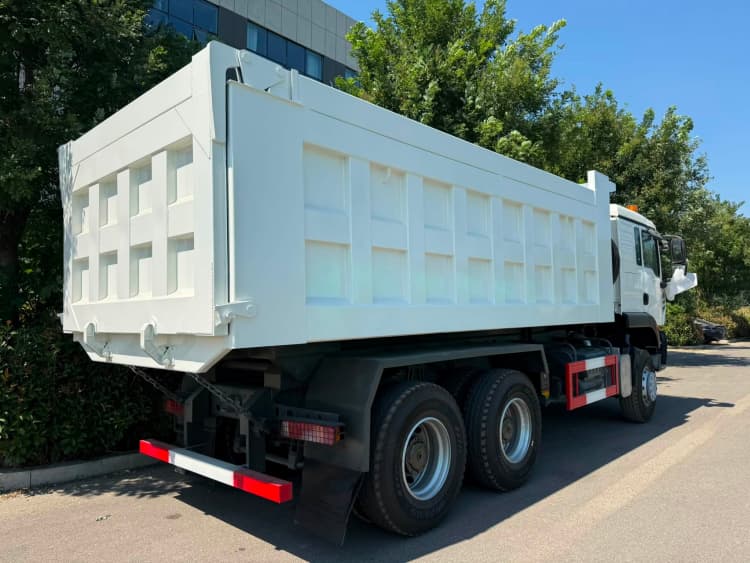
On-Site Physical Inspection Checklist to Spot Hidden Defects
When you inspect the truck in person, these physical signs expose fake reman:
- Uneven paint, quick surface touch-ups only on exterior, while internal engine compartments retain old oil sludge and carbon deposits.
- Mixed old and new fasteners. Genuine reman replaces critical bolts and washers; fake reman reuses rusted original fasteners.
- Residue of old wear: scratches, deep corrosion, fatigue marks on crankshaft, axle and frame that were not machined or repaired.
- Inconsistent assembly quality: uneven torque, misaligned pipelines, messy wiring, signs of quick reassembly without standardized SOP.
Common Marketing Red Flags of Fake Reman Claims
Watch for these sales tactics that frequently accompany fake reman products.
- Price is close to ordinary used trucks but labeled reman. Genuine reman carries a reasonable premium over simple used trucks to cover inspection, new parts and testing.
- Seller refuses to share detailed process photos, test reports or component lists, claiming “confidential workshop data”.
- Over-emphasis on appearance: many photos focus on new paint and clean cab, with few or no photos of internal driveline disassembly and testing.
- Short delivery time with no dedicated reman production workflow; trucks are ready for sale immediately after basic cleaning.
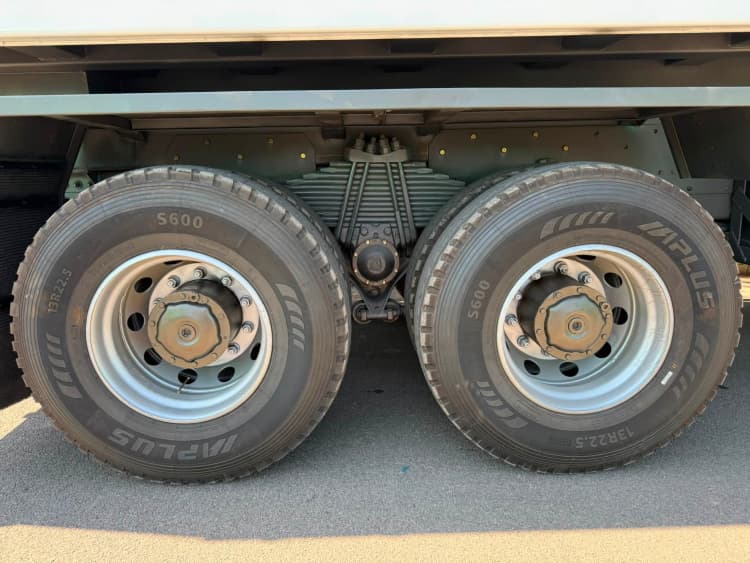
Risks of Buying Fake Reman Heavy Vehicles
Fleet operators face severe financial and operational consequences if they accept fake reman.
- Hidden component fatigue leads to sudden catastrophic breakdowns, costly roadside repairs and long downtime with lost hauling revenue.
- Safety hazards: unreplaced worn brake or steering components create road accident risks and regulatory non-compliance.
- Low residual value: once buyers discover it is only refurbished, the truck will be revalued as ordinary used stock, losing the reman price premium.
- Legal and contractual disputes: fake reman labeling may create complicated claims and warranty disputes between buyer and seller.
Conclusion
Identifying fake reman claims relies on verifying objective evidence rather than marketing descriptions. Genuine reman is backed by full disassembly records, NDT inspection reports, complete replacement parts lists, bench test data and formal assembly-level warranty.
Fake reman only focuses on surface cosmetics and partial repairs. Before purchasing, buyers should demand full documentation and cross-check every critical claim. For fleets, this verification process avoids paying reman-level prices for simple refurbished used trucks and protects long-term fleet operation safety and TCO targets.