
How Standardised Truck Reman Lowers The Complexity Of Spare Parts Training For Technicians?
Introduction
Heavy truck workshops face a steep training burden when supporting heterogeneous fleets. Each model, custom overhaul or one-off repair job can introduce unique part numbers, variant assemblies and irregular build configurations. Technicians must memorise endless cross-references, fitment exceptions and quirky component differences, which slows onboarding and raises the risk of misdiagnosis or wrong-part installation.
REMAN ROAD standardised truck remanufacturing aligns every heavy reman truck to shared build benchmarks, common component libraries and identical assembly logic. This uniformity narrows the scope of required spare parts knowledge, streamlines technician training and creates repeatable service workflows for the whole fleet.
Standardised Component Families Reduce The Volume Of Unique Part Variants
Fleets built from random used or casually rebuilt trucks often accumulate a fragmented inventory of parts variants. Minor differences in casting revisions, bolt patterns, seal designs and sub-assembly layouts force technicians to learn dozens of nearly interchangeable but incompatible parts.
Under a standardised truck reman framework, rebuilds draw from a controlled, approved component list. Variants are rationalised, and non-standard or obsolete custom parts are eliminated during the truck reman process. Technicians only need training on a fixed set of approved parts, fitment rules and replacement procedures, rather than navigating a constantly shifting mix of legacy variants.
Common Assembly Layouts Simplify Troubleshooting And Part Identification
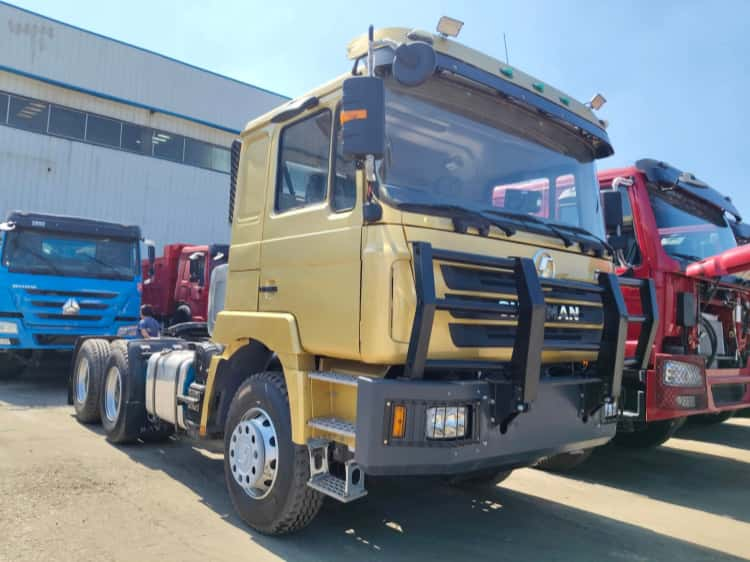
When every heavy reman truck follows the same rebuild blueprint, the placement of filters, sensors, hydraulic manifolds, brake modules and driveline components remains consistent. Technicians learn one layout and one diagnostic sequence that applies across all heavy reman trucks.
By contrast, ad-hoc rebuilds may include aftermarket modifications, swapped assemblies or improvised fixes that change component positioning. Standardised truck reman removes these surprises. New technicians can quickly locate parts, interpret fault codes and identify replacement items, shortening the hands-on learning curve in the workshop.
Unified Service Documentation And Parts Guides Enable Centralised Training
Casual rebuilds rarely come with formal, consistent service documentation. Technicians rely on scattered old manuals, past notes or word-of-mouth advice from senior mechanics. REMAN ROAD standardised truck remanufacturing ships with aligned work instructions, approved parts sheets, torque values and replacement checklists.
Training material can be built once and reused for the entire reman fleet. Workshops can run modular training sessions focused on the approved parts catalogue, without rewriting training content every time a new odd-variant truck enters the fleet. This lowers the ongoing administrative overhead of technician upskilling.
Fewer Wrong-Part Mistakes Reinforce Training And Build Confidence
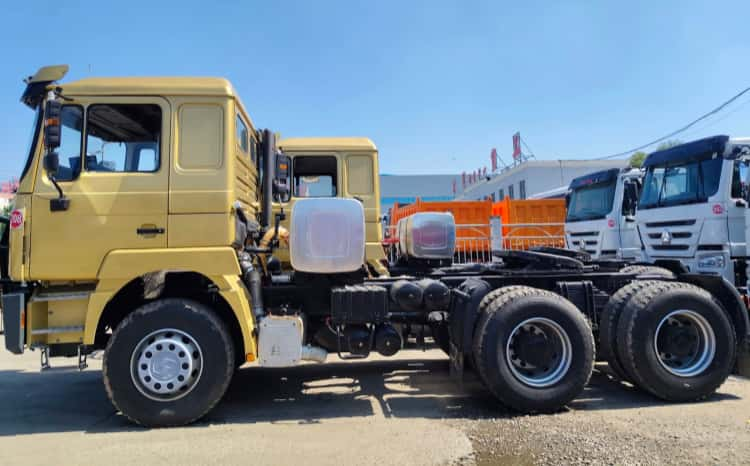
A hidden training friction in mixed fleets is the frequency of ordering, receiving and testing incorrect spare parts. These repeated mismatches waste workshop time and confuse less experienced technicians. With standardised truck reman, fitment rules are clear and tied to the reman benchmark specification.
Parts cross-reference tables are simplified, and the chance of ordering incompatible components drops sharply. Technicians learn to trust the approved parts list, and training time that once was spent resolving fitment conflicts can instead focus on high-value diagnostic and preventive maintenance skills.
Scalable Upskilling Works For Both In-House Teams And Outsourced Service Contractors
For fleets using outsourced maintenance providers, fragmented parts knowledge creates a recurring training burden every time a new contractor or mobile technician is assigned. Standardised truck reman’s common parts library and consistent service rules make it far easier to train external service teams.
Contractors can get up to speed faster, and the fleet avoids repeated knowledge transfer for one-off vehicle quirks. This consistency also makes it simpler to enforce service SLAs, as all technicians operate from the same parts and repair playbook.
Conclusion: Standardised Truck Reman Turns Fragmented Parts Knowledge Into Repeatable Training
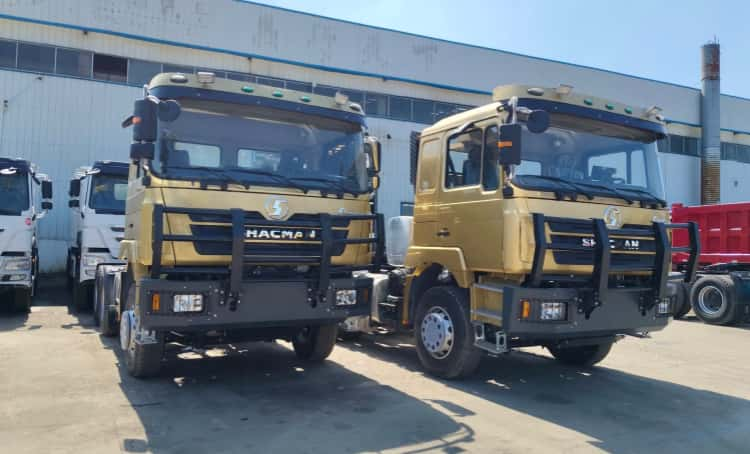
Parts complexity is a silent drain on workshop productivity and technician development. Standardised truck remanufacturing simplifies the problem by locking in consistent components, shared layouts and unified documentation. Training becomes faster, easier to update and less dependent on the individual memory of senior mechanics.
For fleet managers, this means faster technician onboarding, fewer parts errors and a more resilient workshop team that can support the fleet reliably as reman asset numbers grow.