
How Formally Reman Reduces Disruption When Rotating Drivers Across Different Units?
Intro
Many fleets rotate drivers between trucks to cover shifts, leave cover for leave and balance workload. Mixing used, random overhauled and inconsistently rebuilt units creates a hidden operational headache: every truck handles differently. Braking response, clutch feel, hydraulic reaction and dash calibrations vary widely. REMAN ROAD formally remanufacturing enforces consistent rebuild specifications, so every matching model behaves predictably, no matter which unit a driver steps into.
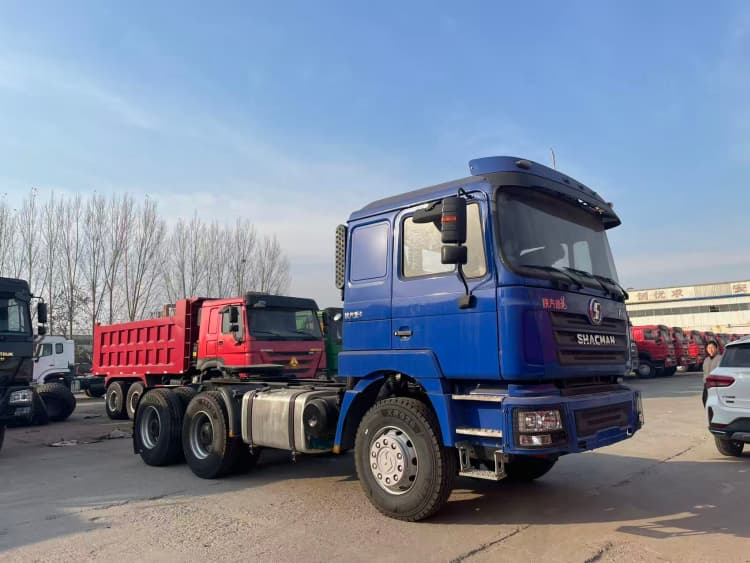
Standardised component calibration delivers uniform handling
REMAN ROAD formally remanufacturing follows fixed rebuild tolerances for braking, steering, transmission and hydraulic systems. Brake gain, throttle response and tipping circuit speed are calibrated to the same benchmark on every unit of the same model. By contrast, ad-hoc repairs often leave uneven brake balance, sluggish hydraulics or drifting gear shifts. When drivers swap between those trucks, they must re-learn unique quirks. This adaptation period slows cycle times and raises the risk of misoperation, especially under heavy quarry loads.
Consistent controls and instrument configuration
During formally remanufacturing, faulty gauges, warning lights and modified switches are restored to OEM-standard layout. Unofficial custom modifications, makeshift wiring and aftermarket tweaks are removed. Drivers recognise the same warning indicators, switch positions and readouts across the fleet. They spend less time adjusting settings and interpreting odd behaviour, and focus more on safe, steady haulage cycles. This consistency also lowers the chance of overlooking genuine fault alerts.
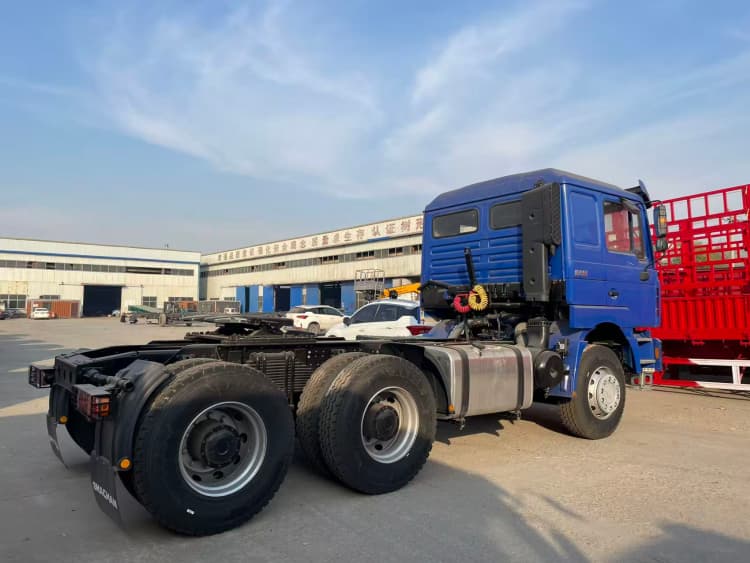
Less human error and fewer preventable incidents
Unfamiliar truck behaviour is a common trigger for operational mistakes: over-braking, incorrect hydraulic operation or misjudged stopping distance. These errors can damage the truck, spill payload or trigger site safety stops. With formally reman trucks, drivers carry one consistent muscle memory across the fleet. Rotations become seamless, and the frequency of operator-induced faults drops. This reduces unplanned downtime caused by simple adaptation errors.
Simplified training and onboarding for new operators
When all formally reman trucks follow one standard rebuild spec, fleet training becomes streamlined. New drivers learn one set of operating characteristics, rather than a long list of individual truck quirks. This reduces training time and makes shift rostering more flexible. Dispatch can assign any available formally reman truck to any qualified driver without worrying about steep learning curves.
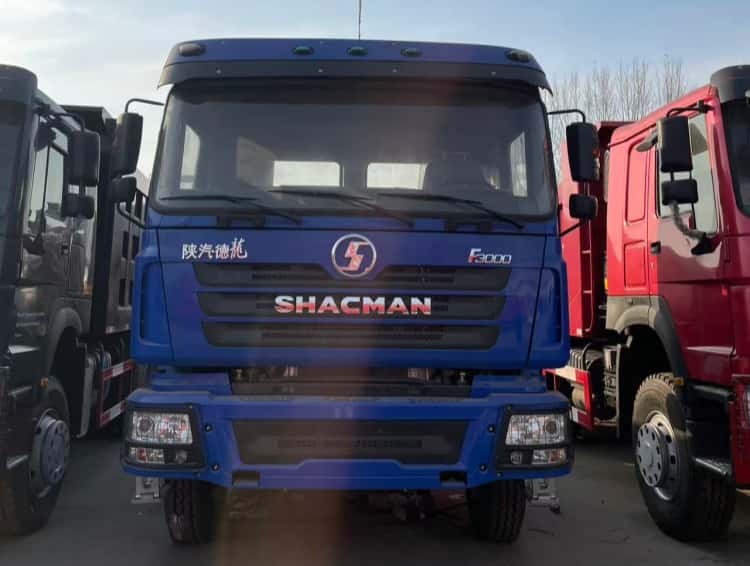
Final takeaway
REMAN ROAD formally remanufacturing reduces disruption during driver rotation by standardising performance, calibration and cabin controls across the fleet. Uniform handling cuts adaptation delays, lowers operator error and simplifies rostering, turning frequent driver swaps from a source of risk into a smooth, flexible operational practice.