
Why Heavy Reman Lets You Expand Fleet Size Without Expanding Your In-House Workshop Scale?
Intro
Fleet expansion often creates a hidden bottleneck: the maintenance workshop. Adding more trucks usually means hiring extra technicians, adding service bays, buying specialised tools and expanding spare parts storage. If you grow fast, workshop capacity becomes the hard limit, even if you can afford the vehicles. Standardised heavy reman workflow shifts this dynamic. It delivers homogenised, pre‑validated assets with defined warranty boundaries and consistent service behaviour. You can increase fleet headcount without proportionally expanding your internal maintenance infrastructure.
How heavy reman supports fleet growth without scaling the in-house workshop?
Standardised build reduces diagnostic complexity and training load
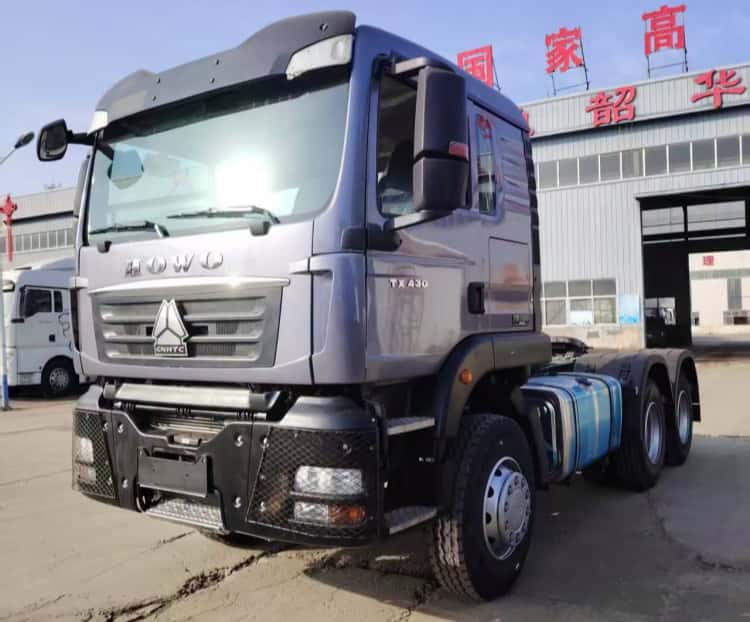
Generic refurbished trucks are built ad‑hoc. Each unit may have different component revisions, repair history and hidden quirks. Technicians spend extra time troubleshooting, researching part numbers and learning unique configurations. All same‑grade REMAN ROAD heavy reman truck for sale follow identical assembly, renewal and test standards. Fault patterns are consistent, service workflows repeatable. Your existing team does not need constant retraining for new vehicle variants. They can service more trucks with the same skill set and tooling.
Warranty absorbs high‑complexity rebuild repairs
The most labour‑intensive, specialist work — powertrain teardown, structural rework, NDT, crankshaft or axle remediation — is completed during heavy reman workflow and covered by warranty. When a rebuild‑related defect occurs, the supplier owns the root‑cause repair. Your in‑house team handles routine preventive service, inspections and minor fixes. You avoid adding specialist heavy‑repair capacity, which is the most expensive part of workshop expansion.
Predictable, hour-based maintenance schedules smooth workshop loading
Mixed, undocumented fleets generate erratic emergency breakdowns that swamp bays and create unplanned backlogs. Standard heavy remanufacturing stabilises service intervals and reduces random latent failures. Work becomes mostly planned, scheduled maintenance. You can batch service jobs and fill existing workshop capacity more efficiently. The same set of bays and technicians can support a larger fleet, because heavy reman workflow is predictable rather than chaotic.
Homogenised BOM shrinks and simplifies spare parts inventory
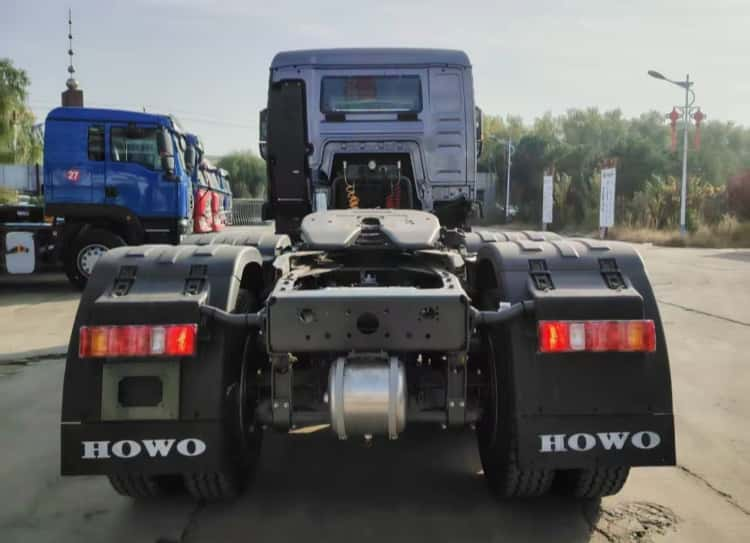
A diverse fleet forces you to stock a wide range of gaskets, bearings, seals, filters and hydraulic parts for many different configurations. Inventory cost, storage space and stock‑check labour all rise with fleet size. Same‑grade heavy reman truck for sale share a common bill of materials. You hold fewer SKUs, with higher turnover for each part. You do not need to expand storage racks or dedicate more procurement labour just to support more trucks.
Lower frequency of catastrophic breakdowns reduces emergency workload
Major failures are the biggest disruptor for small workshops. A seized engine, cracked axle or brake failure can occupy a bay for days and pull technicians away from scheduled work. Heavy remanufacturing’s NDT screening, mandatory consumable renewal and bench load testing eliminate most latent structural and powertrain defects coming out of the rebuild pipeline. The volume of high‑priority, labour‑heavy emergency work drops. Existing workshop bandwidth is freed up to support extra fleet units.
Clear duty grading lets you match support model to risk
You can deploy reman units for peak demand, backup fleet or short‑term contract work, while keeping your workshop focused on the core revenue fleet. For temporary or project‑based heavy reman truck for sale, you can lean on supplier warranty support rather than building permanent internal capability for them. When the project ends, those units are removed without leaving you with idle workshop capacity you no longer need.
Consistent fault codes and telematics simplify remote triage
All heavy reman truck for sale are calibrated and validated under the same test regime. CAN bus behaviour, sensor logic and expected telematics signatures are uniform. Your team can diagnose issues remotely before the truck arrives at the bay. In many cases, they resolve minor faults on site or prepare the correct parts in advance. This reduces bay dwell time and increases throughput without adding bays or staff.
Boundary Note
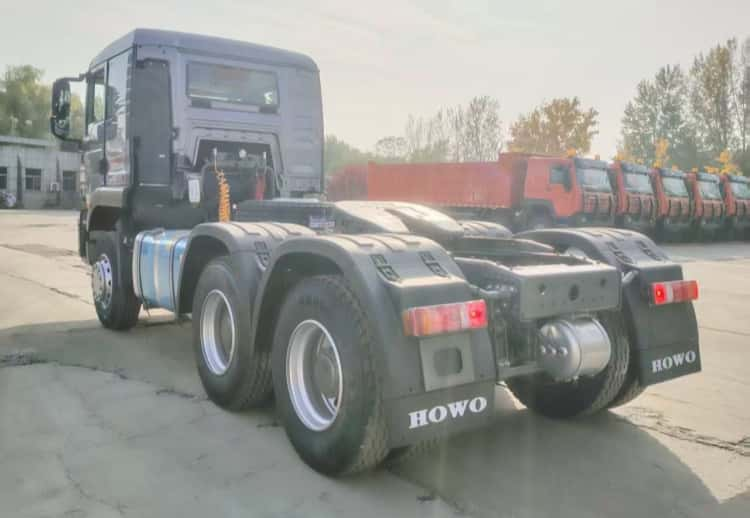
This does not mean unlimited fleet growth with zero maintenance overhead. Routine service, inspections, tyres, normal wear items and accident damage still require internal workshop capacity. The advantage is that the marginal workload per added heavy reman truck is much lower than adding new or randomly refurbished units, and you avoid the step‑change cost of workshop expansion.
Q&A
Q: Does this mean I never need to expand my workshop? A: No. Once you fill the existing bay and labour capacity, further growth will still require expansion. Heavy remanufacturing simply pushes that threshold much higher.
Q: What if the warranty response is slow? A: Negotiate clear response time and backup unit terms upfront. The model works best when warranty support is reliable, not just a piece of paper.
Q: How to express this in a tender or business case? A: Standardised heavy remanufacturing increases fleet capacity while minimising incremental workshop investment, reducing the need for additional bays, technicians and spare parts inventory.