
How Standard Reman Vehicle Builds Reduce The Variability Of Fleet Maintenance Schedules?
Intro
Fleet maintenance scheduling becomes unreliable when every truck is rebuilt to a different standard. Generic refurbished vehicles have random replacement scopes: one unit gets new bearings and seals, another reuses aged consumables, and inspection depth varies by technician. This creates scattered failure timelines, chaotic service bookings and surprise breakdowns.
Standard reman vehicles builds lock identical rebuild rules, mandatory renewal lists and validation criteria for all same-grade units. Wear patterns become predictable, so maintenance schedules can be planned consistently across the whole fleet.
How standard reman vehicle builds cut maintenance schedule variability?
Mandatory, identical consumable renewal removes hidden age variance
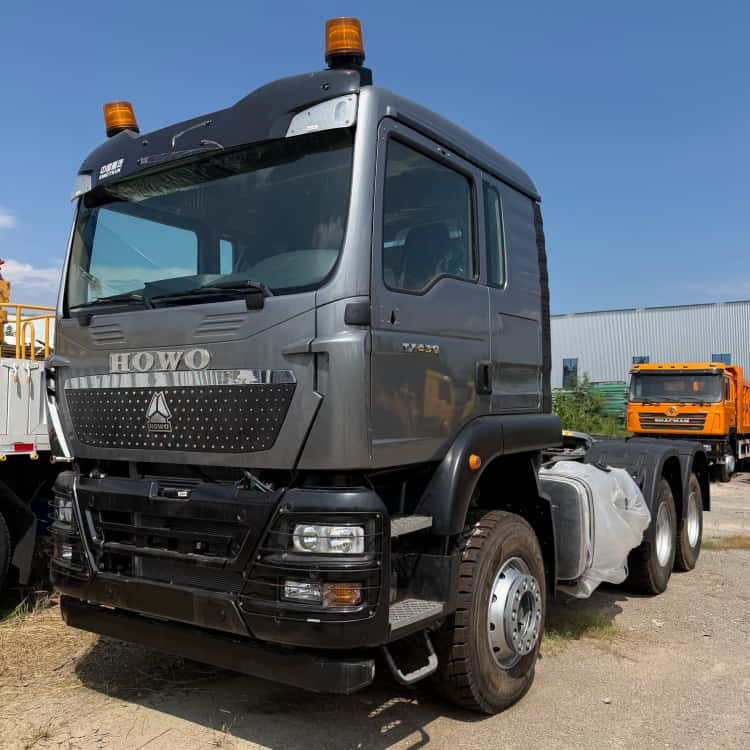
The biggest source of uneven maintenance is reused time-limited parts. In unregulated refurbishment, seals, hoses, bearings, brake diaphragms and critical fasteners are kept if they look intact. Their remaining service life is unknown, so they fail at random intervals. Standard reman vehicle replaces this full set of high-cycle consumables on every rebuild, regardless of visual condition. All these components start their service life at the same zero-hour baseline. For same-grade trucks, the expected replacement window for these parts aligns closely, so service events cluster predictably instead of occurring randomly.
Unified powertrain and hydraulic validation delivers consistent wear rates
Each subassembly — engine, transmission, axles, brake and hydraulic circuits — goes through identical bench load cycles, torque-controlled assembly and calibration standards. Without this standardisation, one rebuilt engine may have loose tolerances and burn oil quickly, while another runs steadily for years. Standardised QA ensures clear, repeatable performance envelopes. Thermal behaviour, pressure profiles and friction characteristics are consistent, so scheduled oil changes, filter services and component inspections follow the same timeline.
Homogenised chassis and suspension specification simplifies cyclic inspection
Frame alignment, suspension bushing fitment, steering geometry and fastener torque are logged and verified to the same acceptance criteria. In a mixed refurb fleet, misaligned frames or unevenly torqued joints accelerate wear unevenly across suspension and steering parts. Standard reman vehicles eliminates this variable preload. Wear on kingpins, bushings and shock absorbers progresses at a comparable rate, so periodic inspection schedules can be applied fleet-wide without custom check intervals for individual trucks.
Duty-grade matching aligns test profile with real operating stress
Every standard reman vehicle is built and tested for a defined duty grade: highway haul, light quarry, heavy off-road. The test load cycles replicate the intended work environment. When the build standard matches the application, you avoid mismatched assets that degrade faster than planned. A truck built and validated for heavy off-road use will follow its own stable service schedule, separate from highway-grade units. Variability is no longer random, it is grouped by duty classification.
Shared service procedures and diagnostic workflows reduce human-driven schedule drift
Standard reman build means identical component layout, part numbers and fault signatures. Maintenance technicians use the same service manual, torque values and troubleshooting sequence for every same-grade reman truck. Diagnostic time is consistent, and routine service tasks take predictable labour hours. Workshops can batch service jobs, schedule labour and order labour time reliably, removing variability caused by unfamiliar, one-off rebuild configurations.
Predictable MTBF reduces emergency work that disrupts planned schedules
Unplanned breakdowns are the main disruptor of maintenance planning. They pull workshop resources away from scheduled servicing, push routine jobs back and create a cascading backlog. Standard reman vehicle’s NDT screening, controlled repair rules and load testing suppress latent defects. Mean time between failures is stable and documented. The fleet shifts from a reactive fire-fighting maintenance model to a calendar/hour-based preventive schedule, with far fewer unplanned interruptions.
Centralised spare parts stocking supports consistent schedule execution
When all same-grade standard reman vehicless use the same BOM of renewed and retained components, spare parts requirements are predictable. You do not need to stock obscure, one-off parts for uniquely rebuilt trucks. Inventory levels can be set to match the fleet’s collective service cycle. Parts availability becomes reliable, which prevents scheduled maintenance from being delayed because the required component is out of stock.
Boundary Note
Standard reman vehicle reduces schedule variability, but it cannot eliminate all variation. Operator behaviour, payload variance, site conditions and fuel quality still create some spread in wear rates. The key difference is that the asset itself no longer introduces large, unknown variance from inconsistent rebuild quality.
Q&A
Q: Does this mean every truck will need service on exactly the same date? A: No. Service is usually hour-based rather than calendar-based, so timing will shift with utilisation. But the service interval thresholds and expected wear behaviour are consistent, eliminating the wide random spread seen in refurbished fleets.
Q: How is this different from buying a batch of identical new trucks? A: New trucks share OEM build standards, but carry high capital cost. Standard reman vehicle delivers that same schedule consistency at lower capex, with its own defined rebuild service baseline.
Q: How to specify this in RFQ? A: Require identical mandatory renewal schedules, bench test profiles, duty-grade classification and published service intervals for all reman units of the same grade, supported by VIN traceability dossiers.
One Comment